2026 World Cup Final Halftime Extended for Super Bowl-Style Show
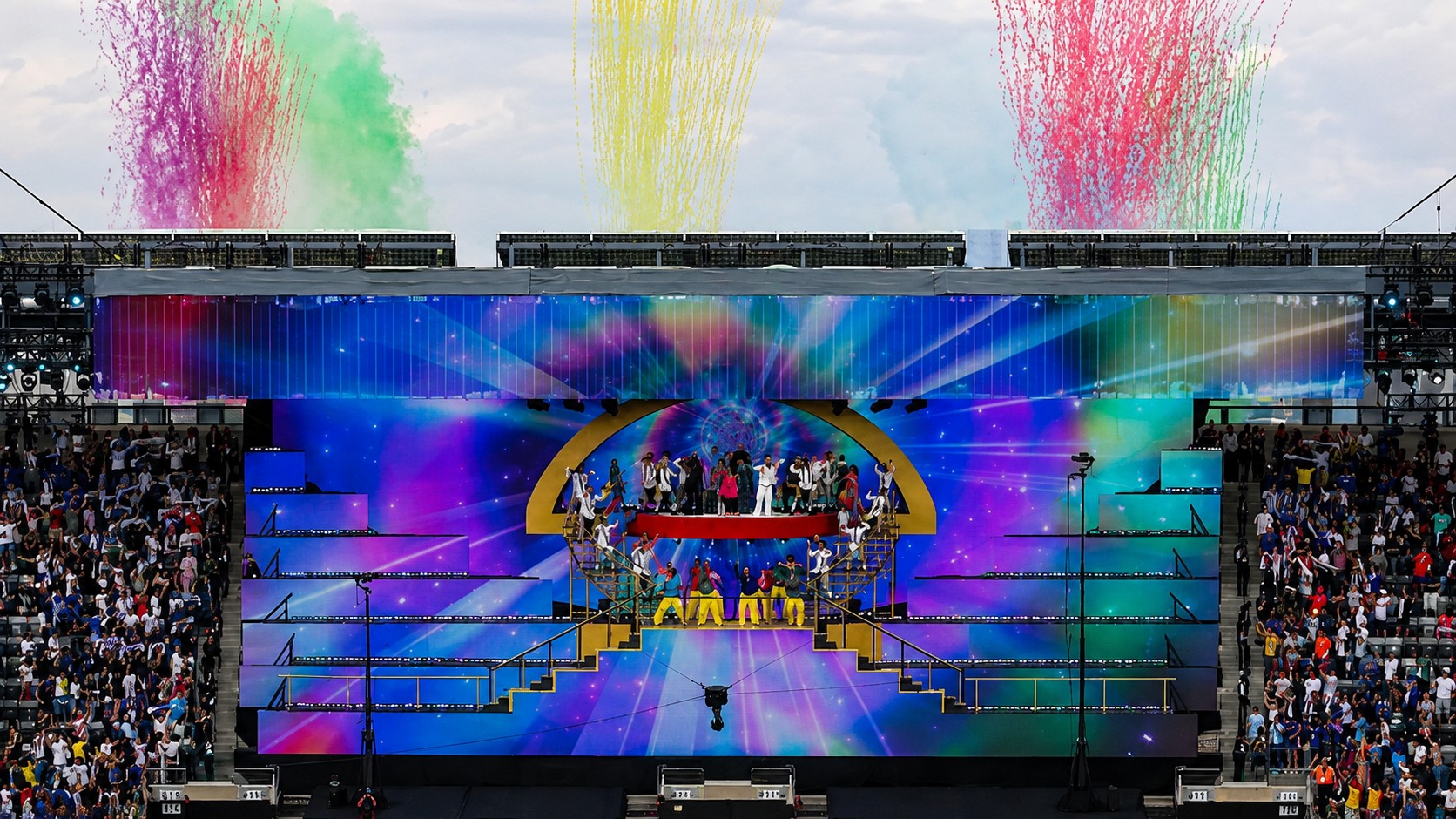
The halftime break for the 2026 FIFA World Cup Final, scheduled for Sunday, July 19, is expected to be extended to between 20 and 25 minutes, exceeding the traditional 15-minute interval stipulated by football rules. This adjustment is to accommodate a Super Bowl-esque halftime show featuring a lineup of international music stars. The performance will include artists such as Madonna, Shakira, and the South Korean group BTS, with Justin Bieber also confirmed to perform. The show's curation is overseen by Chris Martin, the lead singer of Coldplay. FIFA is considering two scenarios: either the 11-minute performance fits within the standard 15-minute break, or it follows the 15-minute player rest, resulting in a total break of approximately 26 minutes. The latter option is considered more probable. This follows a precedent set in the previous year's Club World Cup final in New York, which had a 24-minute halftime due to a performance by Coldplay, J Balvin, Doja Cat, Tems, and Emmanuel Kelly. The upcoming halftime show aims to raise funds for FIFA's Global Education Fund, targeting $100 million for children's education worldwide. Additionally, a pre-match closing ceremony will commence at 2:30 PM, preceding the 4:00 PM kickoff. This ceremony will feature appearances by Tom Cruise, Laura Pausini, Nicole Scherzinger, Robbie Williams, and IShowSpeed, with Jennifer Hudson set to perform the U.S. national anthem. The final will feature Spain, who defeated France 2-0 in their semifinal, and Argentina, who came from behind against England. Argentina will be competing for their fourth World Cup title.
The decision to extend the halftime interval for the 2026 World Cup Final to accommodate an elaborate entertainment show reflects a strategic convergence of sports and entertainment, mirroring trends seen in events like the NFL's Super Bowl. This approach aims to maximize global viewership and commercial opportunities by integrating high-profile musical performances, potentially enhancing the event's cultural impact and revenue streams. However, this deviation from traditional footballing norms, particularly the Laws of the Game set by the Ifab, raises questions about the prioritization of commercial interests over the sport's established structure. As media rights and sponsorship become increasingly dominant in sports economics, such integrations may become more common, necessitating a careful balance to preserve the core integrity and competitive balance of the sport for athletes and purists alike.
AI-generated to prompt reflection — not editorial opinion, not advice, not a statement of fact. How this works.