2026 World Cup: How Business Interests Began Shaping the Game
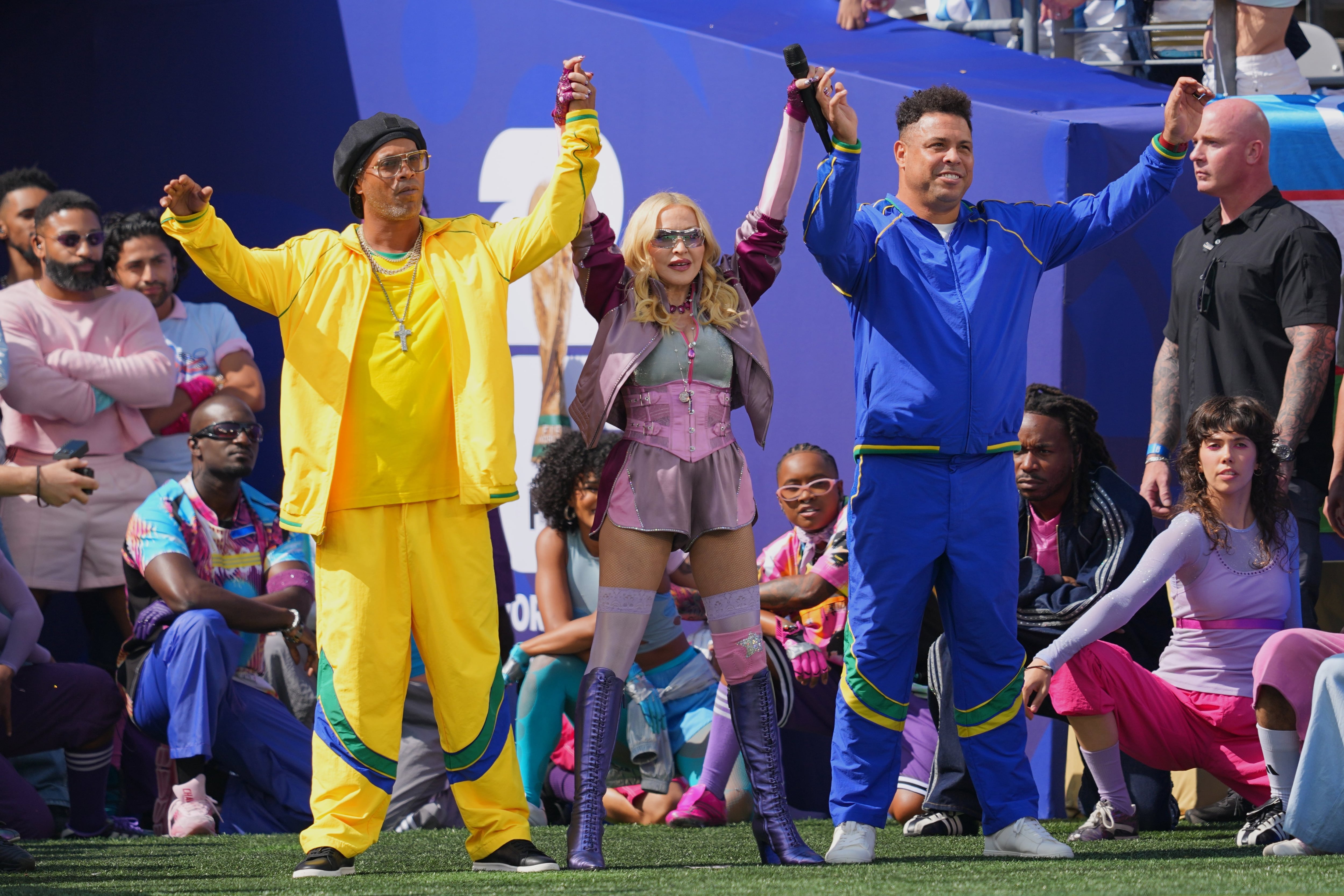
The 2026 World Cup is set to introduce significant changes, driven by business considerations that are reshaping the sport. Among these new elements are hydration breaks and halftime entertainment shows, innovations that have already proven to be lucrative for FIFA. These additions are not merely about enhancing the fan experience but are strategic moves to maximize revenue streams for the international football governing body. The introduction of such commercial elements suggests a growing trend where the business of football is increasingly influencing the game's structure and presentation. This approach aims to capitalize on global viewership and sponsorship opportunities, potentially altering the traditional dynamics of the sport. FIFA's adoption of these revenue-generating features highlights a business model focused on expanding commercial appeal alongside athletic competition.
The integration of commercial elements like hydration breaks and halftime shows into major sporting events reflects a broader trend of monetizing fan engagement. FIFA's strategic implementation of these features aims to enhance revenue streams by creating additional opportunities for advertising and sponsorship during traditionally less active periods of a match. This approach, while potentially increasing financial returns, raises questions about the balance between commercial interests and the integrity of the game itself. The long-term impact on player welfare and the traditional flow of play warrants careful consideration as such business models become more prevalent in global sports.
AI-generated to prompt reflection — not editorial opinion, not advice, not a statement of fact. How this works.