2026 World Cup: Referees Under Scrutiny Amidst Controversy
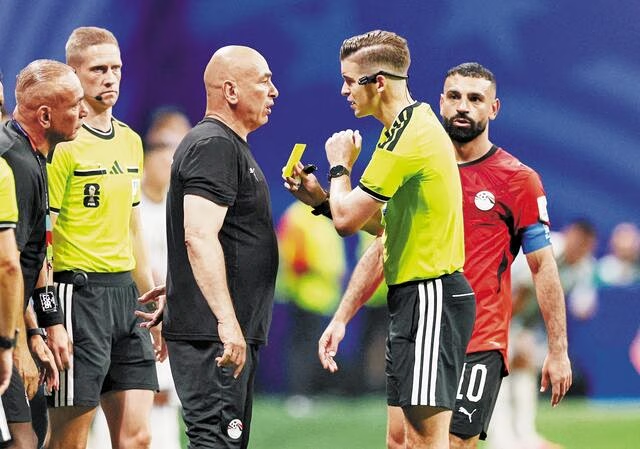
Intense protests from Egypt following their elimination from the World Cup have intensified doubts surrounding refereeing decisions. A series of calls made during matches have ignited a new wave of reactions within the tournament. The controversy suggests a potential need for review of officiating standards and protocols to ensure fairness and maintain the integrity of the competition. These reactions highlight the high stakes and emotional investment in major sporting events, where even minor perceived errors can lead to significant backlash. The focus on refereeing performance raises questions about the training, technology, and accountability measures in place for officials.
The heightened scrutiny of refereeing decisions in the 2026 World Cup, amplified by Egypt's protests, underscores the critical need for robust officiating standards and transparent accountability mechanisms. As technology advances, the integration of advanced officiating tools and continuous training becomes paramount to minimize human error and perceived bias. The pressure on referees in high-stakes international tournaments necessitates a system that supports their decision-making while ensuring fairness for all participating nations. Future iterations of the World Cup could benefit from exploring enhanced video review systems and standardized interpretation of rules to foster greater trust and uphold the spirit of fair play.
AI-generated to prompt reflection — not editorial opinion, not advice, not a statement of fact. How this works.