2026 World Cup Sees Lowest Penalty Conversion Rate in 60 Years
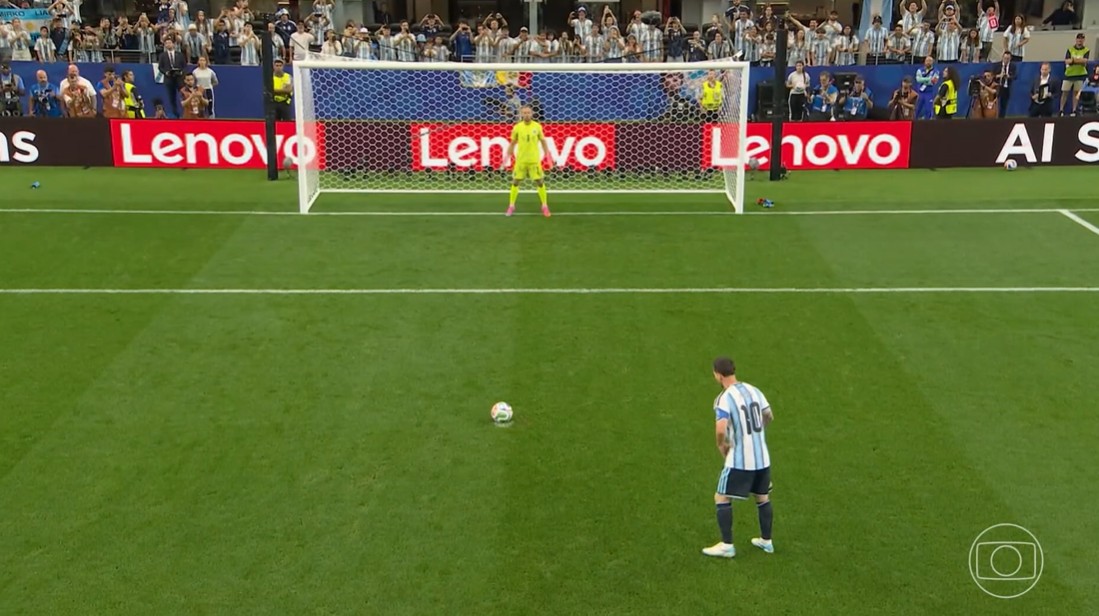
The 2026 FIFA World Cup is experiencing the lowest penalty conversion rate in six decades, with a mere 65% success rate. Out of 60 penalties taken, including shootouts, only 39 have resulted in goals, leaving 21 misses. This statistic marks the lowest conversion percentage recorded in a single tournament edition over the past 60 years. Even star players like Lionel Messi and Kylian Mbappé have missed crucial penalties, highlighting the immense pressure associated with these moments. Messi, in particular, became the first player to miss two penalties in regular time during a single World Cup, having missed four out of eight penalties taken across six World Cups (excluding shootouts). He expressed deep disappointment over a missed penalty in a match against Egypt, feeling he had let his team down. Mbappé attributed his missed penalty against Morocco to a lengthy delay by the referee in confirming the penalty, a situation he found unprecedented and requiring new preparation. Defensive players have a particularly poor record in this tournament, missing five out of eleven penalties. Goalkeepers, like Fernando Prass, emphasize the importance of studying penalty takers' tendencies and developing techniques to improve their save rates, noting that saving a penalty is often more challenging than scoring one. The high stakes of penalty kicks in the knockout stages could prove decisive in determining the next world champion, as demonstrated in the dramatic 2022 World Cup final where Argentina ultimately triumphed over France in a penalty shootout.
The unusually low penalty conversion rate in the 2026 World Cup suggests a confluence of factors, including increased goalkeeper preparedness and the psychological strain on penalty takers under intense tournament pressure. While individual skill is paramount, the data indicates that current training methodologies may not fully replicate the high-stakes environment of a World Cup match or shootout. This trend prompts consideration of how football's governing bodies and coaching staff can better equip players to handle such critical moments, potentially through advanced psychological training or innovative tactical approaches. Looking ahead, as AI-driven analytics become more sophisticated, their application in predicting penalty outcomes and informing player preparation could become increasingly significant, potentially reshaping how this aspect of the game is approached in future tournaments and mitigating the impact of such statistical anomalies.
AI-generated to prompt reflection — not editorial opinion, not advice, not a statement of fact. How this works.