2026 World Cup Shatters Records with Unprecedented Number of Comebacks
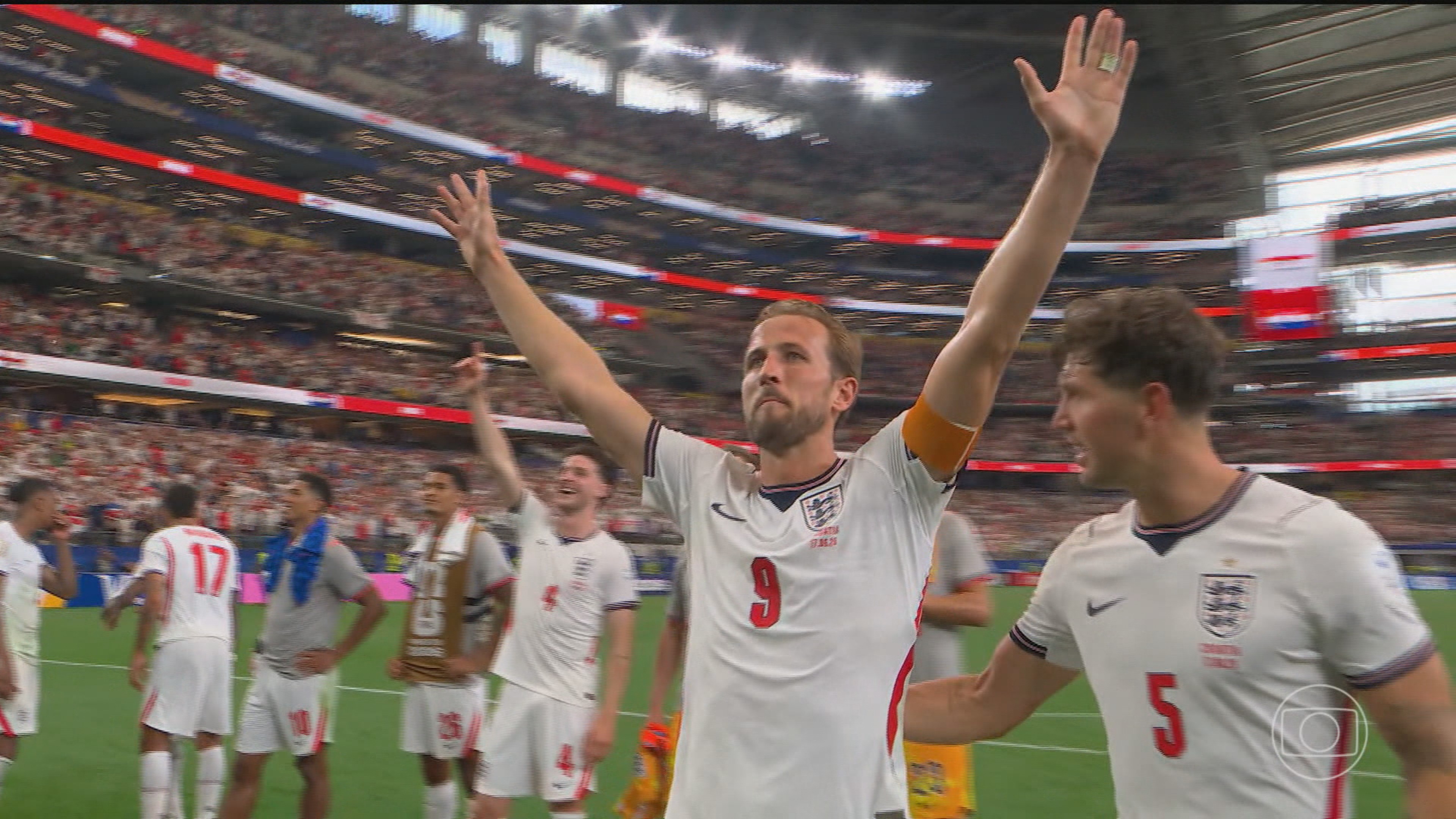
The 2026 FIFA World Cup has set a new historical record for the most comebacks in the tournament's history, with 14 such occurrences noted so far. While the number of games has increased, the average rate of comebacks remains consistent with the previous record holder, the 2002 World Cup, where a turnaround happened approximately every seven matches. Even the Brazilian team, which exited the tournament earlier than anticipated, experienced a thrilling comeback victory against Japan in the second round. This statistic is subject to further change as the tournament progresses into the semi-finals, featuring teams known for their resilience. England, in particular, has demonstrated remarkable comebacks in knockout stages, notably against the Democratic Republic of Congo, where Harry Kane inspired a late surge, and against Norway, with Jude Bellingham playing a pivotal role. England's coach, Thomas Tuchel, highlighted the team's refusal to accept defeat and their unwavering persistence. The semi-final stage pits such determined teams against each other, including Argentina, who also staged an improbable comeback against Egypt in the Round of 16, scoring three goals in just over ten minutes. The mental fortitude and fighting spirit of both teams have been evident throughout the competition, setting the stage for a compelling semi-final clash.
The 2026 World Cup's record number of comebacks suggests a potential shift in match dynamics, possibly influenced by evolving tactical approaches, increased player fitness, or even subtle changes in officiating or tournament structures that extend game competitiveness. This trend prompts an examination of how the global game's strategic landscape is adapting to maintain engagement across the full 90 minutes. Analyzing the underlying factors—whether they relate to coaching strategies, player psychology under pressure, or the impact of technology on performance—will be crucial for understanding the future evolution of football. Such data points offer insights into the resilience and adaptability of teams in high-stakes environments, a critical factor in the increasingly competitive global sports arena.
AI-generated to prompt reflection — not editorial opinion, not advice, not a statement of fact. How this works.