2026 World Cup Showcases Future Stars Poised for 2030 Dominance
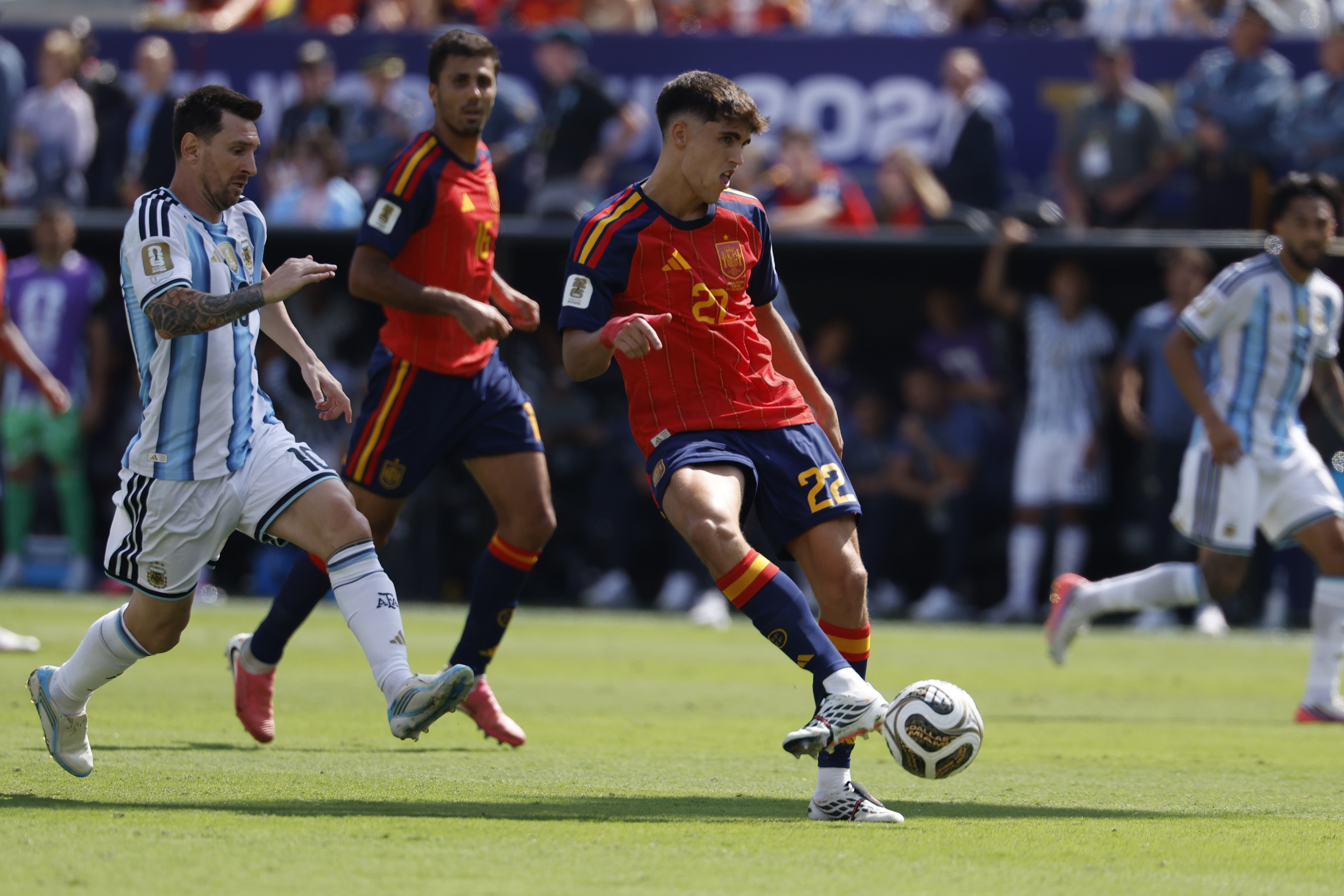
The 2026 FIFA World Cup has unveiled a generation of players expected to dominate the football landscape by 2030. Pau Cubarsí, already a World Cup winner with Spain, demonstrated his immense talent on the global stage. Seventeen-year-old Gilberto Mora emerged as a surprising prospect, hinting at future potential. Yan Diomande's performance underscored the growing strength and development of African football. Additionally, several North American players significantly enhanced their profiles and importance during the tournament, exceeding pre-competition expectations. These emerging talents signal a shifting balance of power and a dynamic future for international football.
The 2026 World Cup has served as a significant platform for emerging talent, highlighting a potential shift in global football hierarchies by 2030. The performances of young players like Cubarsí and Mora, alongside the confirmed growth of African football exemplified by Diomande, suggest evolving competitive dynamics. This tournament's exposure for North American players also indicates potential for increased regional influence. Future analysis should consider how these individual breakthroughs translate into sustained team success and whether established footballing nations can adapt to this influx of new talent and evolving strategies.
AI-generated to prompt reflection — not editorial opinion, not advice, not a statement of fact. How this works.