2026 World Cup Signals New Era as Messi Stays, New Generation Rises
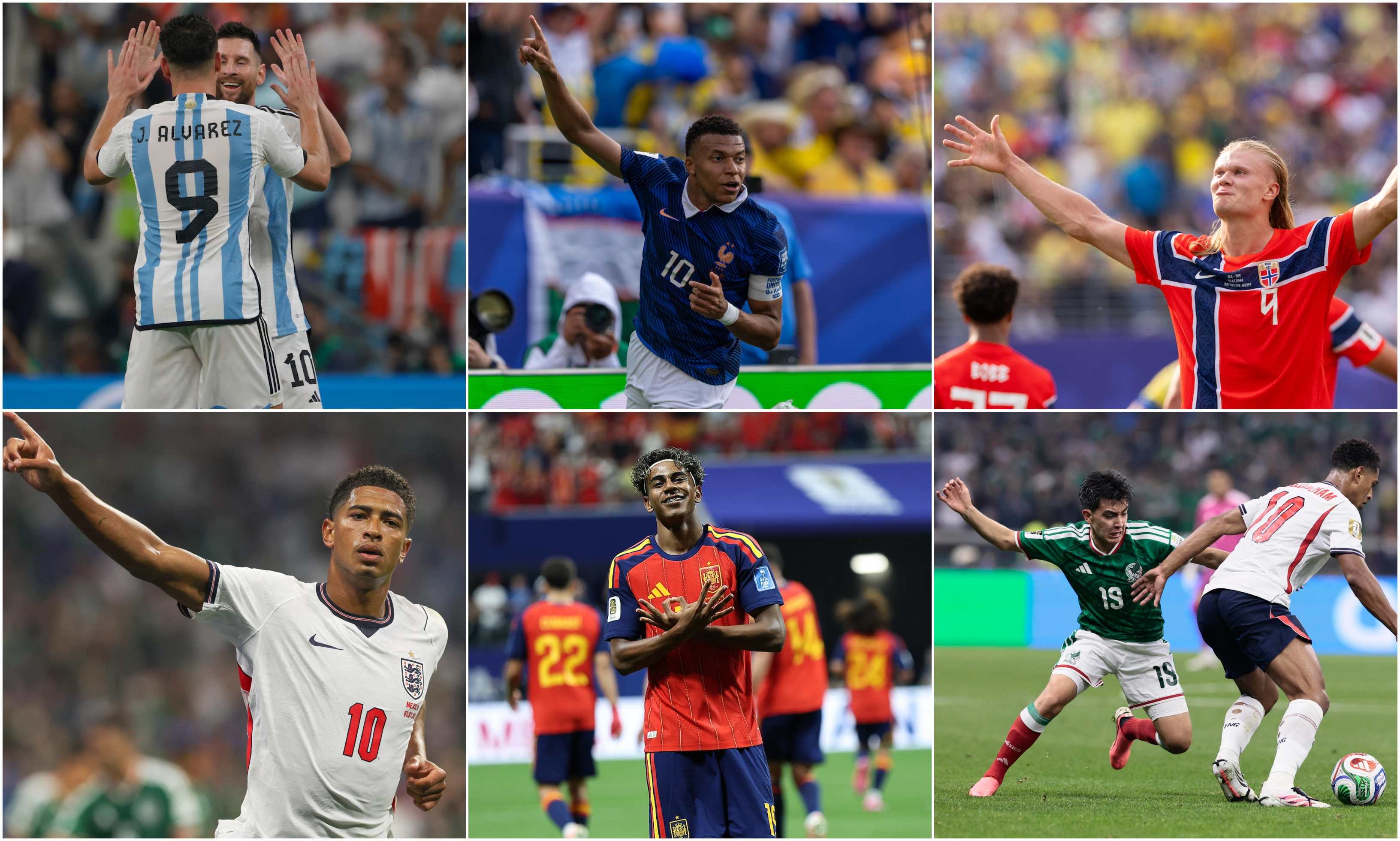
The 2026 World Cup is set to mark the end of an era, with the departure of football legends such as Ronaldo, Neymar, and Luka Modrić. These historically significant players will be stepping down, leaving a void in the global football landscape. Amidst this transition, Lionel Messi stands as a resilient figure, representing the last bastion of his generation. His continued presence offers a link to the past as a new wave of talent emerges. The tournament is poised to solidify the definitive handover of the sport's mantle to a new generation of stars. This upcoming cohort is spearheaded by prominent talents like Kylian Mbappé, Erling Haaland, and Lamine Yamal. Their ascendance signifies a clear shift in football's hierarchy and promises to redefine the sport's future.
The 2026 World Cup narrative highlights a natural generational transition in elite sports, driven by athlete career cycles and the emergence of new talent. The continued presence of veteran stars like Messi, alongside the rise of younger players such as Mbappé, Haaland, and Yamal, reflects evolving team dynamics and strategic opportunities for federations and sponsors. This shift underscores the importance of succession planning in sports organizations and the continuous need for talent development pipelines to maintain competitive parity and fan engagement over the long term. The economic and cultural impact of such transitions, particularly concerning the commercial appeal and marketing strategies associated with established versus emerging stars, will be a key area to monitor.
AI-generated to prompt reflection — not editorial opinion, not advice, not a statement of fact. How this works.