2026 World Cup Stadiums: When the Venue Becomes the Spectacle
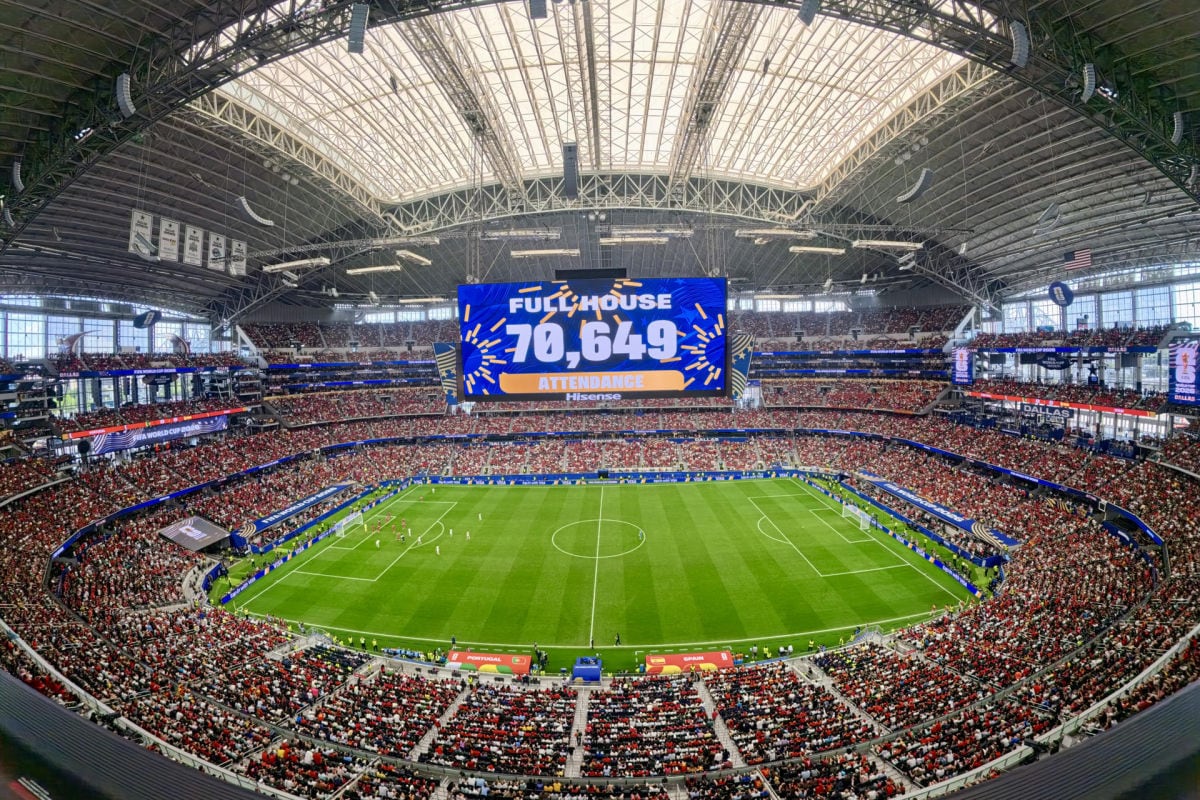
Julio Medina, director and co-founder of Inyogo, highlights a significant difference in how sports infrastructure is approached in different regions, particularly in the context of the 2026 World Cup. He contrasts the approach in his region, where stadiums are built primarily for the purpose of hosting a single match, with the strategy employed in the United States. In the U.S., stadiums are designed with the fan experience in mind, aiming to encourage repeat visits and engagement. Medina posits that this distinction transforms a sports venue from a mere cost into a valuable asset. This perspective underscores the varying philosophies and economic considerations behind the development of major sporting facilities.
The divergent approaches to stadium development, as described by Julio Medina, reflect differing investment philosophies and long-term strategic goals for sports infrastructure. While some regions may prioritize immediate utility for events, the U.S. model focuses on creating enduring fan engagement and revenue streams, framing stadiums as economic assets. This difference may be influenced by market size, commercial opportunities, and the perceived role of sports facilities in urban development. Looking ahead, the sustainability and adaptability of these venues in the face of evolving fan expectations and technological advancements will be crucial for their long-term viability as both sporting arenas and community hubs.
AI-generated to prompt reflection — not editorial opinion, not advice, not a statement of fact. How this works.