2026 World Cup: Young Consumers Prioritize Value and Comfort Over Traditional Spectacles
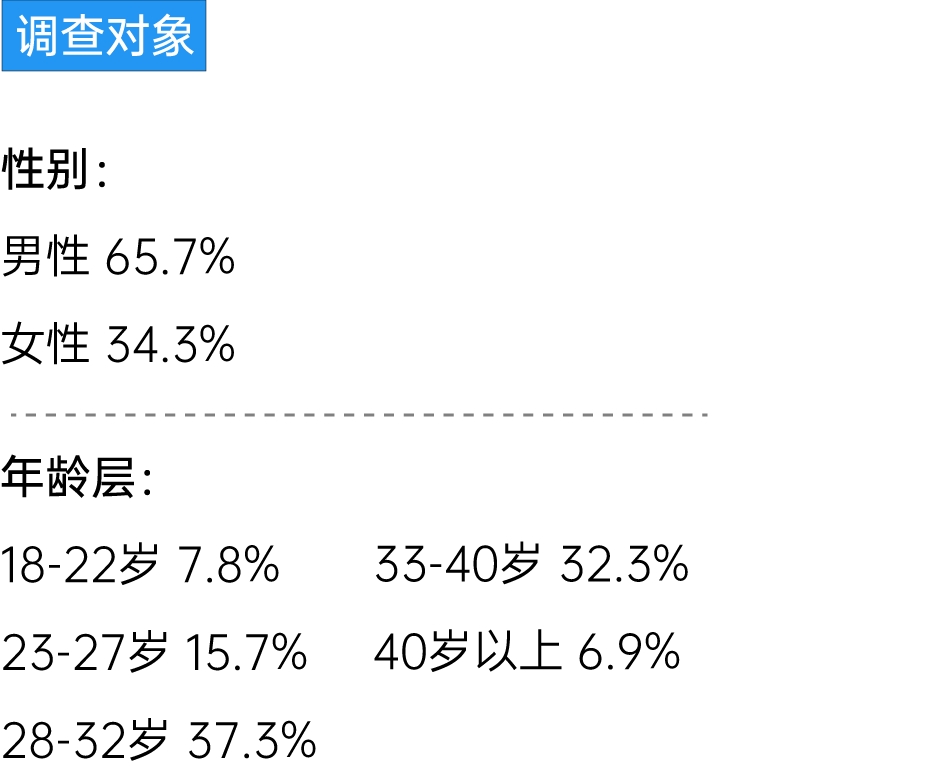
The 2026 FIFA World Cup, hosted across the US, Canada, and Mexico, has concluded, revealing significant shifts in how young consumers engage with and spend on major sporting events. A survey by 'Houlang Research' of 510 participants indicates a move away from traditional, long-form viewing. While nearly 30% still watch live broadcasts and over 21% catch replays, the dominant method of consumption is now short-form video highlights, with 36.7% opting for this efficient, time-saving approach that accommodates work schedules. This trend reflects a broader shift in attention spans, redefining what it means to 'watch' the World Cup.
Home viewing has become paramount, with 67% watching alone or in dorms and 41.5% gathering with friends at home, significantly eclipsing offline venues like bars, which saw only about 20% of attendees. Even work breaks are now viewing opportunities, with 37.2% checking short videos or news at their desks and 30.9% during commutes, facilitated by many matches kicking off in the morning. Spending patterns show a concentration around 200-300 yuan (36.2%), with food and beverages being the top expenditure. Interestingly, 'fake fans' or casual viewers are driving increased spending compared to dedicated fans, prioritizing emotional value and atmosphere over deep game knowledge.
Brand marketing strategies are also adapting. While official sponsorships and celebrity endorsements are prevalent, young consumers increasingly prioritize product utility and value over brand association. A significant portion (35.2%) view sponsorships as a bonus, with 32.9% focusing more on price or design, and 28.7% solely on product worth. The emphasis is on products that integrate into daily life and offer long-term value, rather than fleeting hype. This signifies a mature consumer mindset, where emotional engagement is valued but balanced with practicality and genuine product merit.
The analysis of the 2026 World Cup consumer behavior reveals a significant evolution in how younger demographics engage with large-scale events. The shift from dedicated live viewing and offline social gatherings to fragmented, short-form content consumption and at-home viewing highlights a broader societal trend towards personalized, efficient, and comfort-driven experiences. This suggests that future event organizers and brands must adapt their engagement strategies to cater to these evolving attention spans and preferences for convenience. The data also points to a discerning consumer base that, while susceptible to the emotional appeal and atmosphere of major events, maintains a strong pragmatic filter, prioritizing utility and value for money. This dual focus on emotional resonance and tangible benefit indicates a sophisticated approach to discretionary spending, challenging traditional marketing models that rely solely on hype or brand association. Future-proofing these strategies will require a deep understanding of how to authentically integrate products and experiences into consumers' daily lives, offering both immediate gratification and lasting utility.
AI-generated to prompt reflection — not editorial opinion, not advice, not a statement of fact. How this works.