2027 French Presidential Election: Copé Cautious on Supporting Philippe
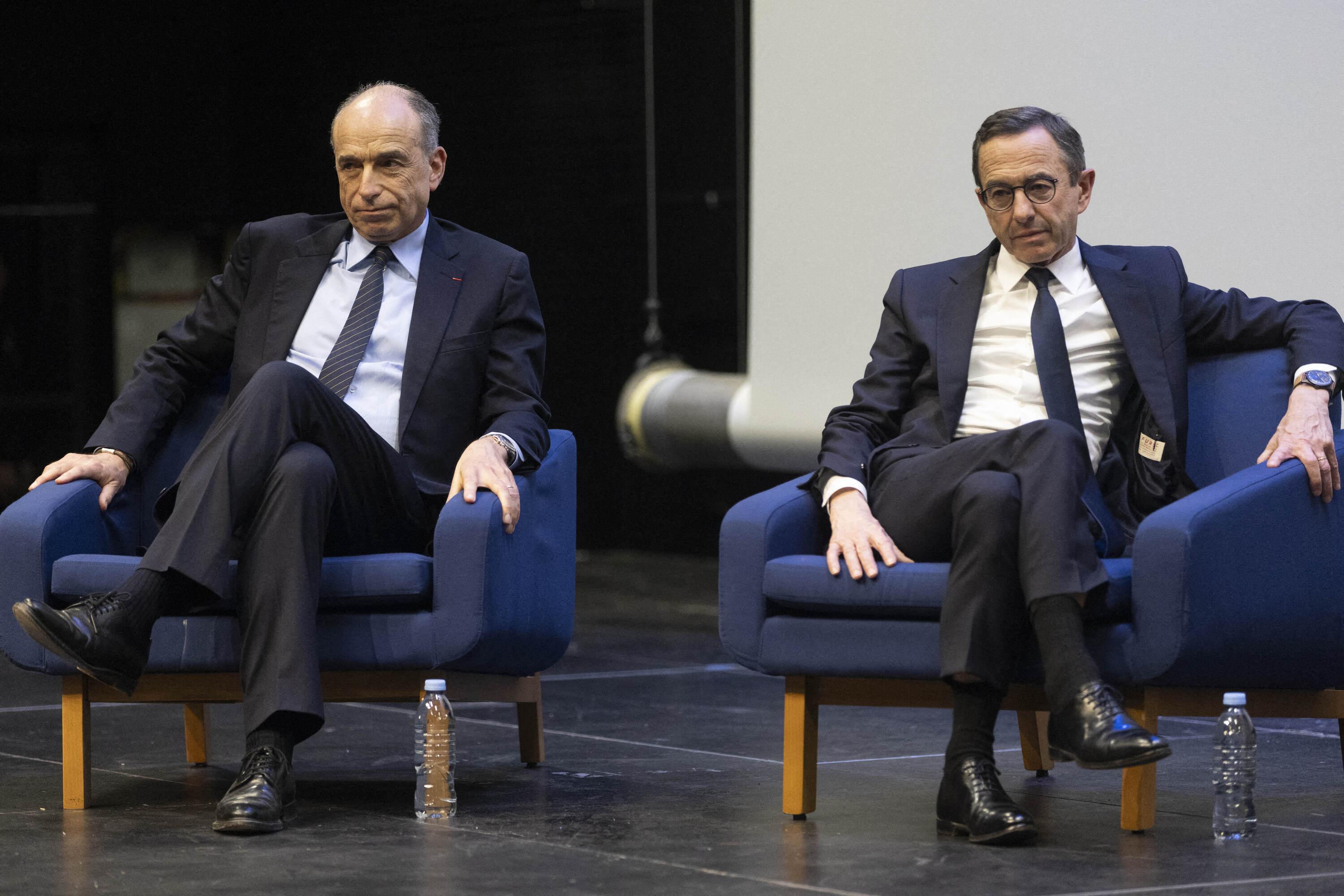
Jean-François Copé, the mayor of Meaux, stated that it is too early to discuss potential support for Édouard Philippe in the 2027 presidential election. Copé indicated that he is awaiting a "straightforward right-wing discourse" from Philippe's Horizons party. His comments come amidst reports of strained relations between Copé and Bruno Retailleau. Copé has consistently advocated for a single, unified candidate to represent their political alignment in the upcoming election. He believes that Philippe must articulate a clear and uninhibited right-wing platform to gain broader support. The political landscape for the 2027 election is still developing, and key figures are assessing their strategic positions. Copé's remarks suggest a wait-and-see approach, prioritizing policy articulation over immediate endorsements. The emphasis on a "straightforward right-wing discourse" highlights a desire for ideological clarity within the conservative movement.
Jean-François Copé's cautious stance on endorsing Édouard Philippe for the 2027 French presidential election reflects the complex strategic calculations inherent in pre-election maneuvering. His emphasis on a "straightforward right-wing discourse" signals a demand for ideological coherence, a common concern within political parties seeking to consolidate their base and appeal to undecided voters. The political environment often incentivizes such public displays of deliberation, allowing figures to gauge public sentiment and negotiate influence without committing prematurely. As the AI era accelerates, political actors face increasing pressure to articulate clear visions that address evolving societal challenges, while also navigating traditional party structures and personal rivalries. The dynamic between seeking a unified candidate and the potential for fragmentation underscores a persistent tension in democratic politics: balancing broad appeal with distinct ideological positioning.
AI-generated to prompt reflection — not editorial opinion, not advice, not a statement of fact. How this works.