20km Chase Ends in Deadly Shootout, Arsenal Seized in Rio de Janeiro
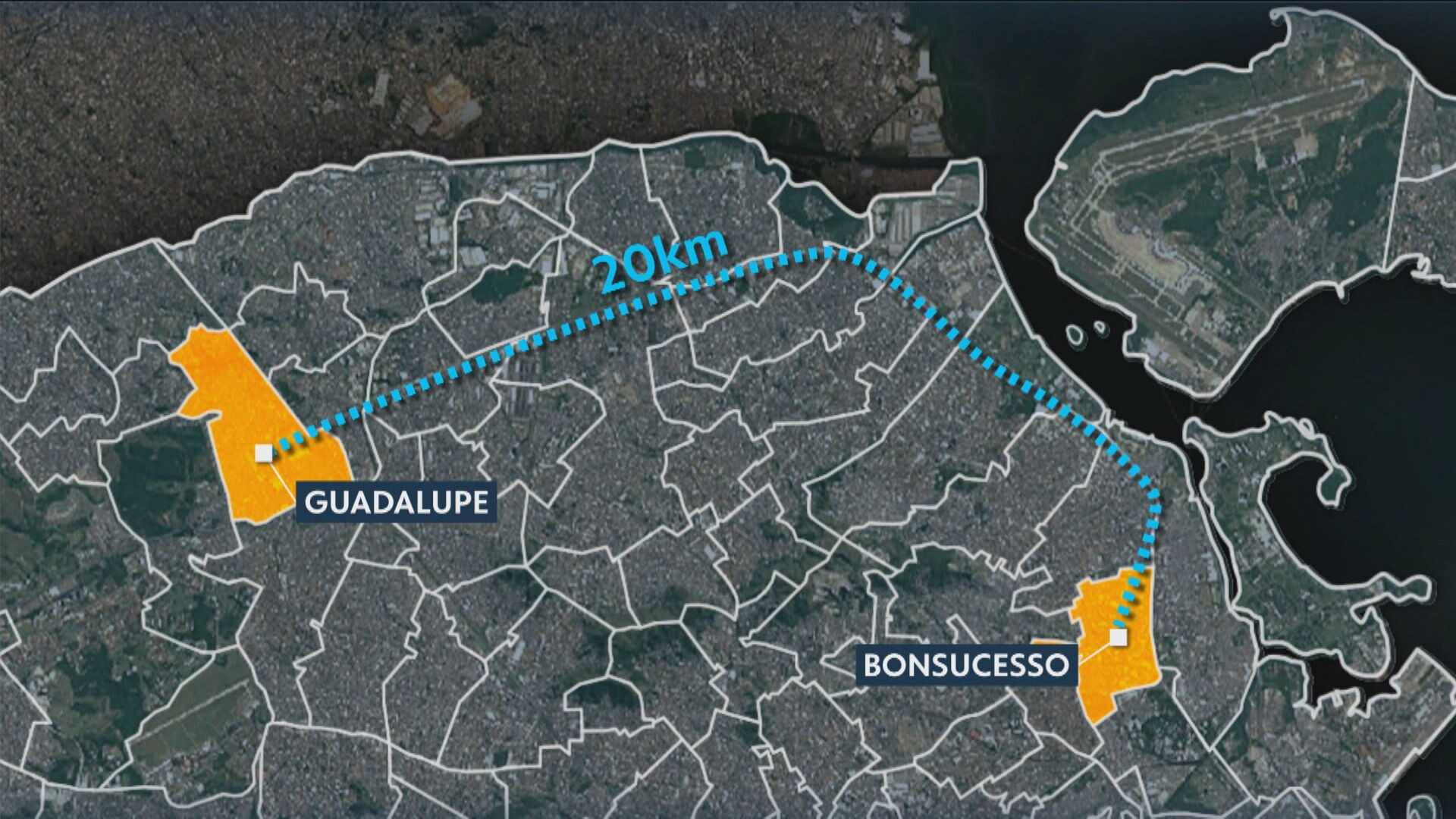
A 20-kilometer police pursuit along Avenida Brasil in Rio de Janeiro on Tuesday night, May 29th, concluded with a violent confrontation and the seizure of a significant arsenal. The chase, which spanned neighborhoods including Ramos and Olaria, ended in Bonsucesso, in the city's North Zone, when one of the criminals' vehicles crashed. Five individuals died in the incident, including a military police officer identified as Corporal Fernando Plácido Roberto Rocha of the Expressways Policing Battalion (BPVE). He was taken to Getúlio Vargas Hospital but succumbed to his injuries. Another police officer involved in the operation and a civilian driver caught in the crossfire remain in serious condition at the same hospital.
The seized arsenal from the criminals' vehicle included bulletproof vests, six rifles, three pistols, a grenade, and communication radios. According to the Military Police spokesperson, Lieutenant Colonel Cláudia Moraes, intelligence suggests the group was preparing for a territorial dispute. The police intervened after receiving information about the group's movement, which initially involved an attack on BPVE officers, leading to a police cordon. Lt. Col. Moraes indicated that the group originated from the Vila Kennedy community and was heading towards Penha, a movement consistent with expansionist activities of the Comando Vermelho criminal faction. The police maintain surveillance along Avenida Brasil to prevent inter-faction conflicts, and the tactical gear and weaponry indicated a planned operation, possibly an attack or participation in a conflict, posing a risk to the public.
This event highlights the persistent challenges of organized crime and territorial disputes in urban centers like Rio de Janeiro. The extensive chase and the seizure of a substantial arsenal suggest a high level of organization and armament among criminal factions, necessitating significant police resources for interdiction. The incident underscores the inherent risks faced by law enforcement and civilians caught in such confrontations. Future strategies may need to focus on preemptive intelligence gathering and community-based approaches to disrupt these cycles of violence and territorial control, while also considering the systemic factors that contribute to the proliferation of armed groups and the ongoing struggle for dominance in vulnerable communities.
AI-generated to prompt reflection — not editorial opinion, not advice, not a statement of fact. How this works.