21-Day Forest Fire in Piauí, Brazil, Finally Controlled, Affecting 34 Hectares
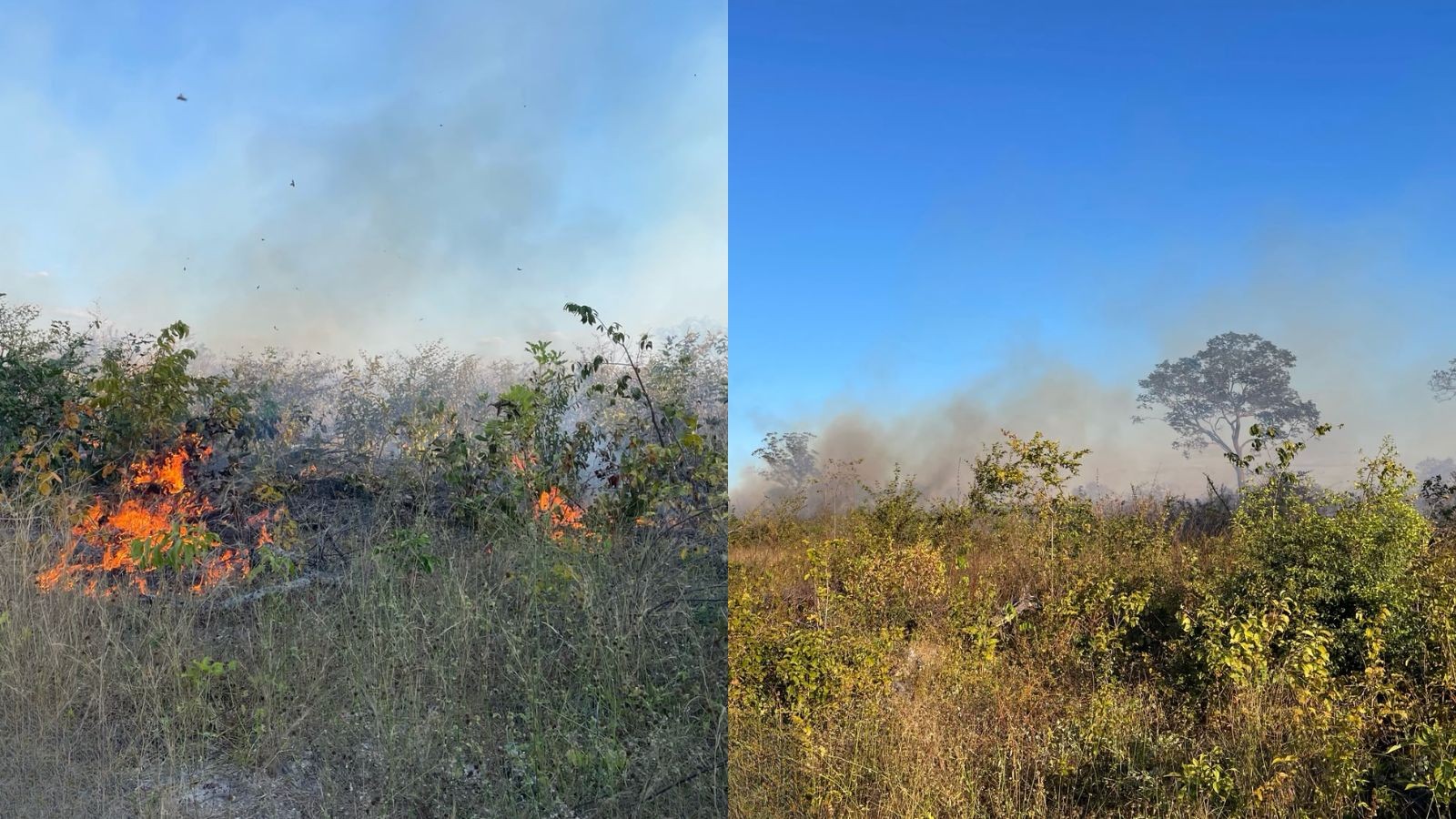
A forest fire that raged for 21 days across the southern Piauí region of Brazil has been brought under control. The blaze, which began on June 24th on private property, spanned across the municipalities of Guadalupe, Jerumenha, and Marcos Parente, impacting a total of 34 hectares. Firefighters created firebreaks, which are cleared strips of land designed to halt the spread of flames, to combat the advancing inferno. Although the main fire has been extinguished, residual smoke and smoldering logs persist in the affected areas. The fire originated in Guadalupe and spread towards the borders of Jerumenha and Marcos Parente. Municipal brigadistas, supported by the State Secretariat of Environment and Water Resources (Semarh) and the State Civil Defense, led the containment efforts. Semarh confirmed that the property where the fire started is a licensed enterprise authorized for vegetation suppression. However, the specific use of fire for burning cleared vegetation had not received prior authorization from Semarh. The entrepreneur involved has been instructed to participate in the firefighting efforts and is facing scrutiny for the unauthorized burning practice.
This incident highlights the critical importance of stringent oversight and adherence to protocols in land management, particularly concerning controlled burns. While the property was licensed for vegetation suppression, the unauthorized use of fire for disposal of organic material circumvented necessary safety authorizations, leading to a prolonged and resource-intensive firefighting operation. This situation underscores a potential systemic gap in ensuring that all stages of land clearing, especially those involving fire, are subject to explicit permits and monitoring. Future prevention may involve enhanced real-time surveillance and stricter enforcement mechanisms to ensure compliance with environmental regulations, thereby mitigating the risk of such extensive fires and their associated ecological and economic impacts.
AI-generated to prompt reflection — not editorial opinion, not advice, not a statement of fact. How this works.