22 Drownings in North Rhine-Westphalia During June Alone
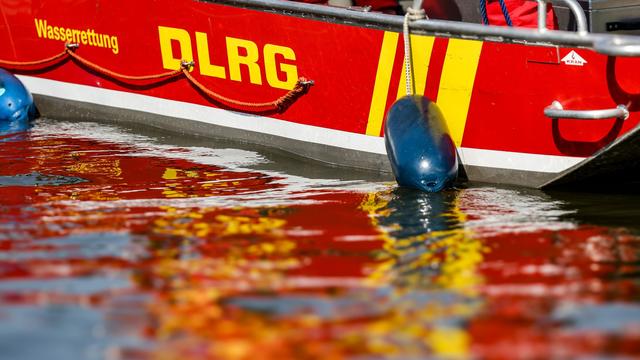
North Rhine-Westphalia (NRW), Germany, recorded a significant number of drowning incidents in June, with 22 individuals losing their lives. This alarming figure highlights the persistent dangers associated with water activities, even during periods of favorable weather. The statistics underscore the importance of water safety measures and public awareness campaigns to prevent further tragedies. Local authorities and water safety organizations are likely to review these numbers to identify potential contributing factors and implement targeted interventions. The incidents serve as a stark reminder for swimmers and water sports enthusiasts to exercise caution and adhere to safety guidelines. Further details regarding the specific locations and circumstances of these drownings have not been provided in the initial report. The data from June is particularly concerning, indicating a potential increase in risks or a lapse in preventative efforts. This situation calls for a renewed focus on drowning prevention strategies across the region. The number of fatalities underscores the critical need for continuous education on water safety for all age groups. Authorities are expected to release more comprehensive data and potential action plans in the near future.
The reported 22 drowning fatalities in North Rhine-Westphalia during June represent a critical public safety concern. This data suggests a potential disconnect between public awareness of water hazards and actual safety practices, or perhaps an underestimation of risks by individuals engaging in water-based activities. From a systemic perspective, this highlights the ongoing challenge of effectively communicating and enforcing water safety protocols across diverse populations and environments. Future efforts could focus on analyzing the specific contexts of these incidents to tailor educational campaigns and potentially improve lifeguard presence or signage in high-risk areas. The long-term implication involves assessing whether current preventative measures are sufficient in the face of evolving recreational habits and environmental factors, necessitating a proactive approach to mitigate such preventable tragedies.
AI-generated to prompt reflection — not editorial opinion, not advice, not a statement of fact. How this works.