22 More Baby and Child Remains Found at Former Irish Orphanage
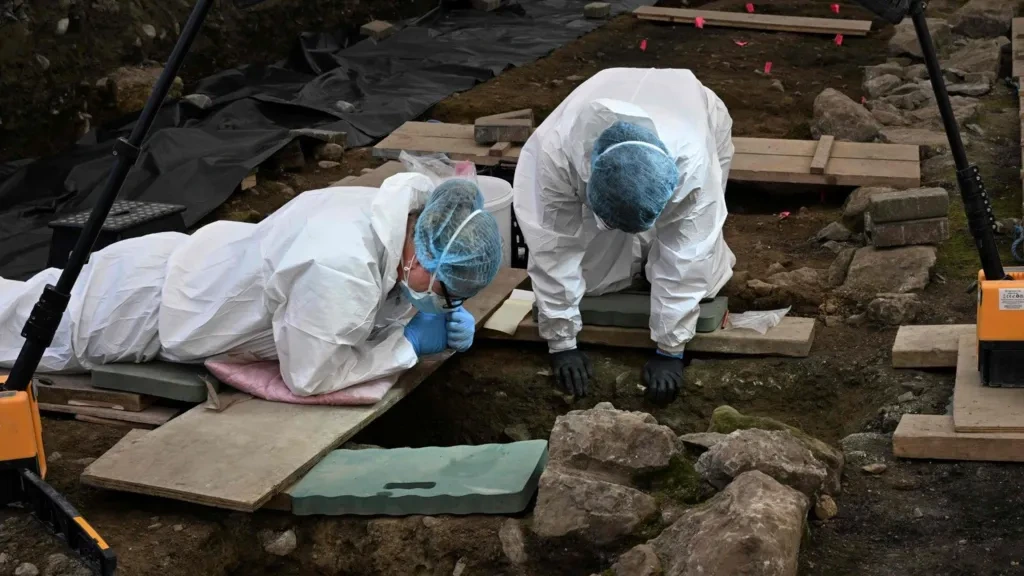
Excavations at a former children's home in Tuam, West Ireland, have uncovered the remains of 22 more babies and children, bringing the total discovered since last year to 99. These remains were found in burial caskets on grounds historically designated as a cemetery. The ongoing investigation, which began in July of last year, is expected to continue until at least next year, with further research likely to take several more years. The case has been a subject of concern in Ireland since 2014. The children died between 1925 and 1961 at a facility run by the Catholic Sisters of Bon Secours, which housed pregnant, unmarried women. These women were reportedly held in appalling conditions, subjected to forced labor, and separated from their children. Many of these children did not survive their infancy due to malnutrition and the poor conditions in the overcrowded homes, resulting in a mortality rate significantly higher than the national average. The scandal first came to light in 2014 when historian Catherine Corless discovered 796 death certificates for children but no corresponding burial records. In the same year, remains of fetuses, babies, and toddlers in caskets were found in a former sewage tank, identified as a mass grave. Subsequent test excavations in 2016 and 2017 at the same site revealed large numbers of human remains. A commission was established in 2021 to investigate the abuses in these homes, which were operated by the Catholic Church in collaboration with the Irish state. Researchers are using radiology and 3D scans to determine the age and sex of the deceased and to potentially link the remains to death certificates.
The ongoing discovery of infant and child remains at the former Tuam children's home highlights systemic failures in institutional care and governance during the mid-20th century. The collaboration between religious orders and the Irish state in operating these facilities suggests a shared responsibility for the appalling conditions and high mortality rates documented. Future investigations and potential legal processes will need to address accountability for past neglect and the ethical handling of these discoveries. The use of modern technology like 3D scans offers a path toward identifying individuals and providing closure, but the long duration of the investigation and excavation underscores the scale of the tragedy and the complexities of uncovering historical injustices. This situation prompts reflection on the societal structures that allowed such conditions to persist and the enduring impact on families and national memory.
AI-generated to prompt reflection — not editorial opinion, not advice, not a statement of fact. How this works.