22nd Aldeia do Velho Chico Festival Features Majur, Lia de Itamaracá, and Luedji Luna
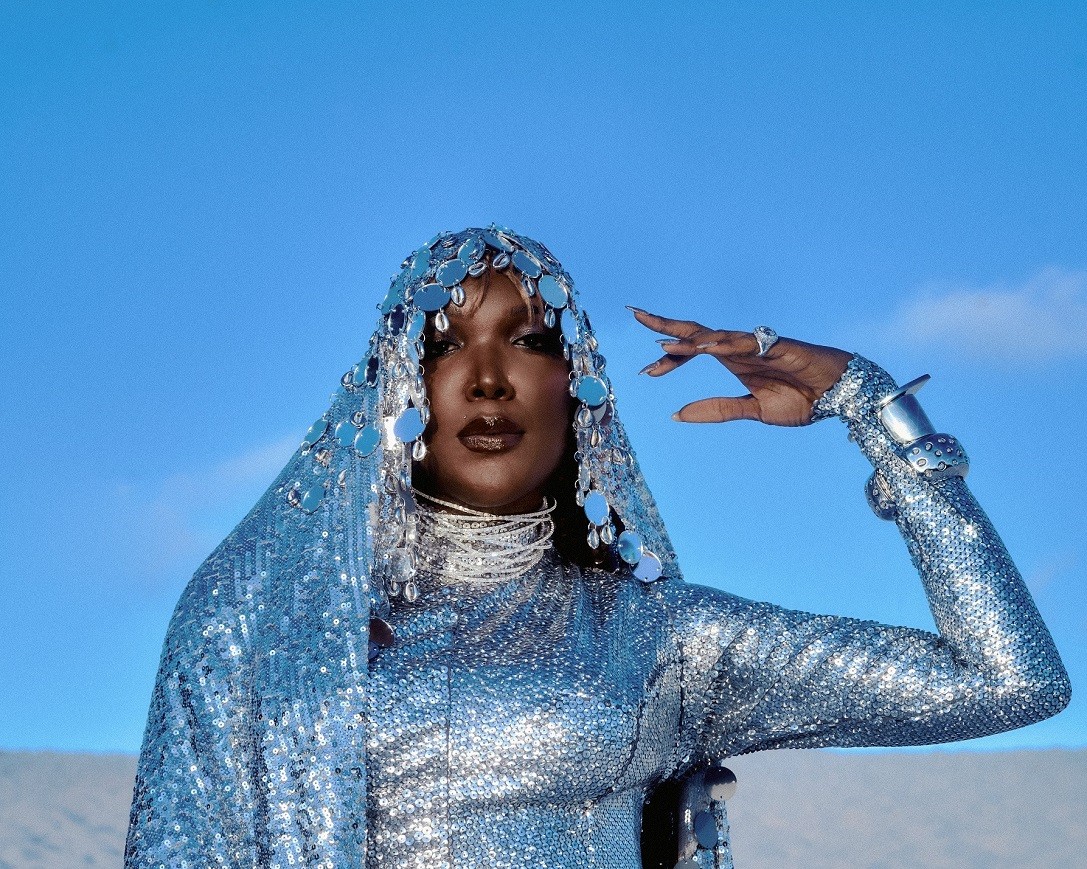
The 22nd Aldeia do Velho Chico – Festival de Artes do Vale do São Francisco will take place from August 14 to 30 in the Sertão region of Pernambuco, Brazil, spanning the municipalities of Petrolina and Lagoa Grande. The festival boasts a diverse program encompassing music, theater, dance, visual arts, literature, audiovisual, and popular culture. Tickets for paid events and registration for workshops are available on the Sesc website, with the full schedule accessible online or via social media.
The official opening is set for August 14 on the Petrolina waterfront, featuring a ciranda performance by Lia de Itamaracá, recognized as a Living Heritage of Pernambuco. The program includes a concert by Luedji Luna on August 19, a dance performance "Peça Única" by House of Hands Up on August 22, and the play "Frankinh@: Uma História em Pedacinhos" by Coletivo Gompa on August 23. Renowned ballerina Ana Botafogo will conduct a "Vida de Bailarina" talk and a master class on August 24. A major highlight, Virarte, will run on August 29 at Sesc Petrolina, featuring various attractions including samba groups, a cabaret, and a punk event, culminating with a performance by singer Majur. The festival concludes on August 30 with the Festival Gira Mundo, offering free activities. The event is part of Sesc's national Palco Giratório circuit, fostering artistic exchange, and includes a culinary component, Cena Gastrô. Additionally, the festival provides professional development through limited-capacity workshops on topics like urban art, cultural project elaboration, and music production.
This cultural festival, integrated into a national Sesc initiative, showcases a broad spectrum of artistic disciplines and aims to foster regional development and artistic exchange. By offering both performances and professional development opportunities, it addresses the ecosystemic needs of the arts sector, from audience engagement to creator support. The inclusion of diverse cultural expressions, from traditional ciranda to contemporary punk and ballroom, reflects an effort to bridge generational and stylistic divides. In the context of an increasingly digital and AI-driven future, such festivals serve as vital physical spaces for human connection, cultural preservation, and the cultivation of creative skills that complement technological advancements. The challenge for such events lies in ensuring sustainable funding models and equitable access for all participants, thereby maximizing their long-term societal and economic impact.
AI-generated to prompt reflection — not editorial opinion, not advice, not a statement of fact. How this works.