23 Years On, Jamal Uddin Chowdhury Murder Trial Remains Unresolved in Chittagong
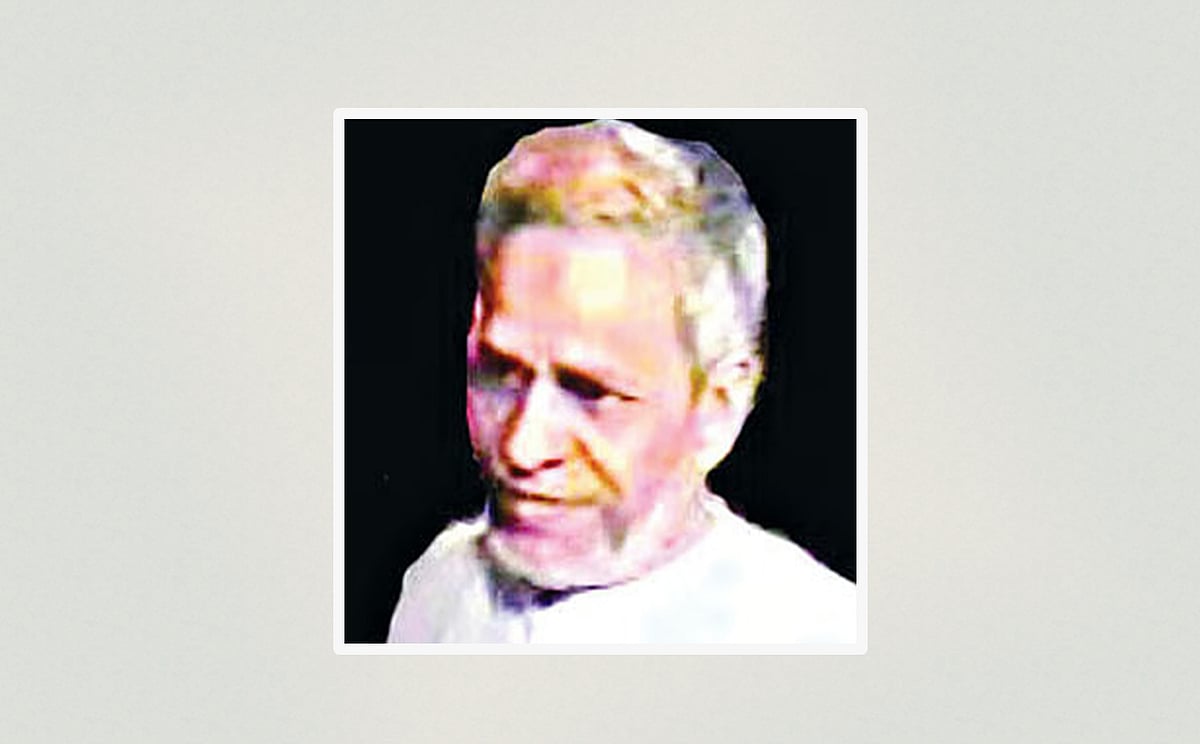
A prominent businessman and leader of the Bangladesh Nationalist Party (BNP), Jamal Uddin Chowdhury, was abducted from his business in Chittagong city on July 24, 2003. He was returning to his home in Chandgaon from his shop in Chakbazar when the abduction occurred. His family was initially demanded 5 million Bangladeshi Taka in ransom and paid 2.5 million Taka to the abductors, but he was never returned alive. The family faced initial reluctance from the police to register the case, which was initially filed against unknown individuals. Approximately two years later, in 2005, a former UP member, Md. Shahidul Islam, was arrested and, based on his information, a skeletal remains believed to be Chowdhury's were recovered from a hilly area in Faticchari, Chittagong. DNA tests conducted in Singapore later confirmed the identity. Confessions from two defendants, Shahidul Islam and Mahbub, detailed the abduction, ransom demands, and the involvement of several individuals. However, Chowdhury's eldest son and the case's plaintiff, Chowdhury Farman Reza Liton, alleges that many individuals named in these confessions were later cleared during the investigation, leading to a loss of faith in the judicial process. The Criminal Investigation Department (CID) submitted a charge sheet in 2006, exonerating 24 individuals, including current Member of Parliament Sarwar Jamal Nizam and his brother Maruf Nizam, while naming 16 others as defendants. Liton filed objections to this charge sheet, initiating a prolonged legal battle involving stays from the High Court. The case eventually returned to the judicial process in 2016, and in February 2017, the court accepted the CID's charge sheet and dismissed the plaintiff's objections, initiating the trial against 14 defendants. Despite eight years passing since the trial began, only three out of 84 witnesses have testified, with the next hearing scheduled for July 27 due to witness absence. Ten of the 14 defendants are currently on bail, one is in jail, and four are fugitives. Liton has not testified for nine years, stating that the main accused have been excluded from the case. He now appeals to the Prime Minister for justice. Chowdhury's wife, Nazma Akhtar, believes the main accused escaped due to collusion during the Awami League government and seeks justice under the current BNP government, suggesting her husband was targeted for aspiring to run for parliament. Lawyers note the possibility of applying for further investigation, a precedent seen in other high-profile cases, though the family has not yet made a final decision.
The protracted legal proceedings in the Jamal Uddin Chowdhury case highlight systemic challenges within the justice system, particularly concerning the thoroughness of initial investigations and the subsequent handling of evidence and witness testimony. The plaintiff's assertion that key perpetrators were excluded and his subsequent withdrawal from the judicial process suggest a potential breakdown in trust between the affected family and the investigative authorities. This situation raises questions about accountability and the efficacy of legal mechanisms designed to deliver justice in complex, politically charged cases. Moving forward, reforms focused on ensuring independent and comprehensive investigations, protecting witnesses, and streamlining judicial processes could help prevent similar prolonged delays and restore public confidence in the pursuit of justice.
AI-generated to prompt reflection — not editorial opinion, not advice, not a statement of fact. How this works.