240-Million-Year-Old Fossil Reveals Oldest Preserved Reptile Stomach
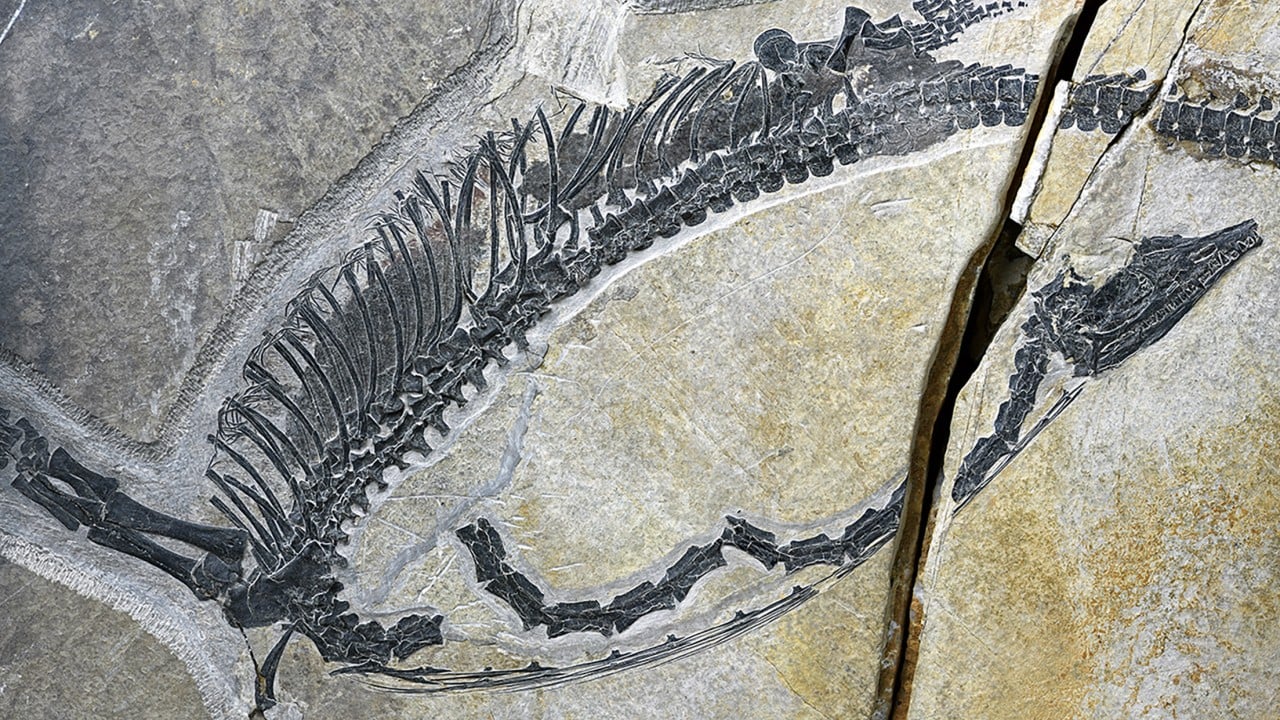
A Chinese-led research team has analyzed a 240-million-year-old fossil containing the oldest known preserved stomach, liver, and intestinal soft tissue in reptiles. The fossil, identified as Austronaga minuta from the Early Triassic period, is a complete skeleton with highly specialized body features indicating an aquatic lifestyle. This discovery suggests that the marine colonization of archosaurs occurred earlier and was more widespread than previously understood. The fossil presents a unique opportunity to study the dietary habits and digestive processes of Triassic reptiles. Researchers can now investigate how these ancient creatures processed their food and adapted to marine environments. The preservation of such delicate soft tissues provides unprecedented insights into the biology of these early reptiles. This finding could significantly alter our understanding of reptile evolution and their expansion into aquatic ecosystems during the Triassic period. Further study of the stomach contents will likely reveal specific prey items, offering direct evidence of the reptile's diet.
The discovery of the Austronaga minuta fossil, dating back 240 million years, offers a significant empirical data point for understanding the evolutionary timeline of archosaurs and their adaptation to marine environments. The exceptional preservation of soft tissues, including the stomach, liver, and intestines, allows for direct analysis of diet and digestive processes, moving beyond inferences based solely on skeletal morphology. This finding challenges previous assumptions about the pace and extent of marine colonization by archosaurs in the Early Triassic. Future research could leverage advanced imaging techniques to further analyze the stomach contents, potentially identifying specific prey species and providing a more granular understanding of the Triassic food web. This empirical evidence is crucial for refining phylogenetic models and understanding the ecological pressures that drove reptilian diversification.
AI-generated to prompt reflection — not editorial opinion, not advice, not a statement of fact. How this works.