246-Year-Old Congada Tradition Thrives Across Generations in Minas Gerais
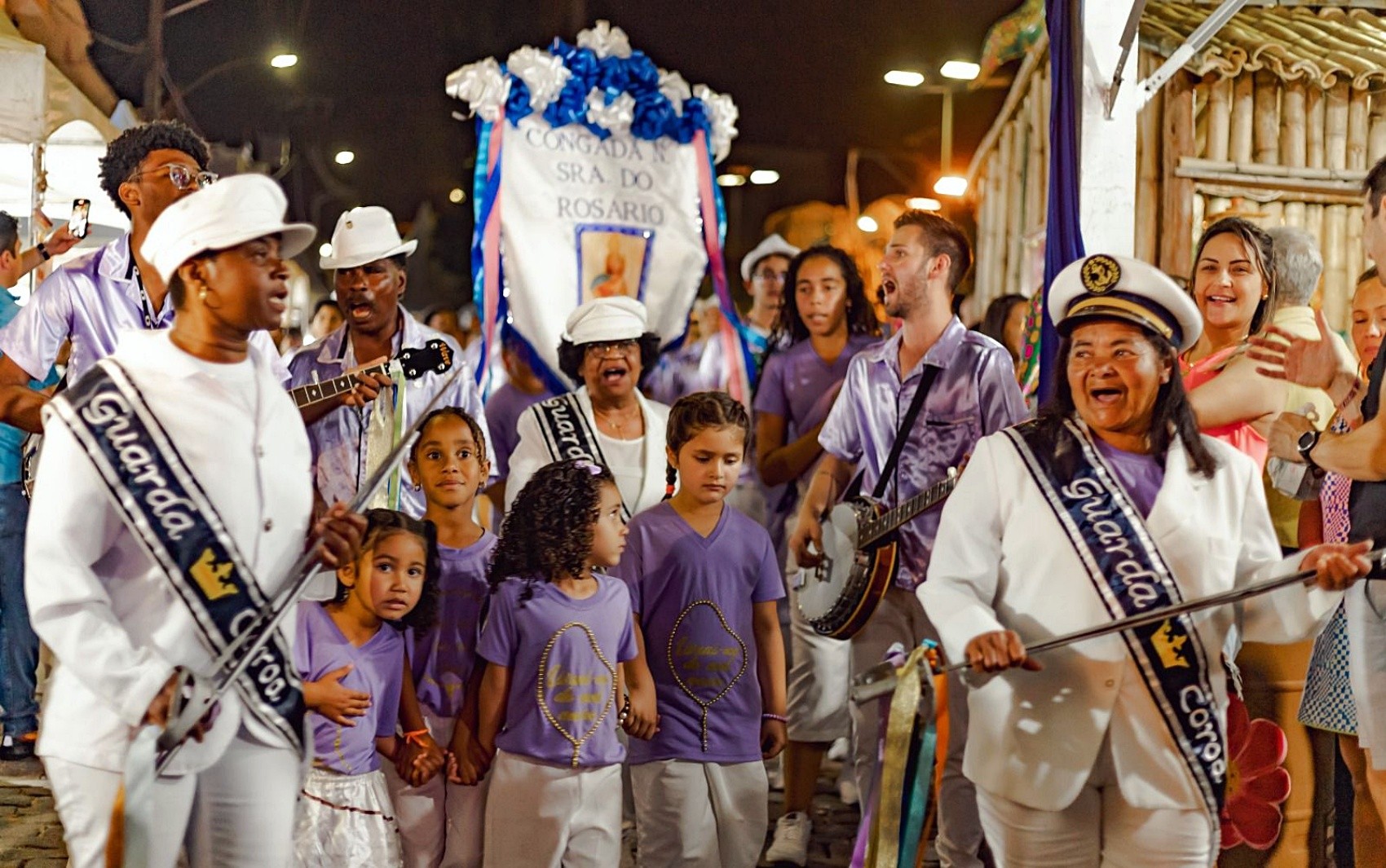
In Silvianópolis, Minas Gerais, the Afro-Brazilian tradition of congada has been kept alive for 246 years through the Festa de Nossa Senhora do Rosário. The current Terno de Congada Nossa Senhora do Rosário, founded in 1980, continues a cultural manifestation that dates back to 1780 and now involves over 80 participants of all ages. This enduring practice is passed down through families, with current members like Marco Aurélio Valentim, captain of the Terno, having participated for 52 years since childhood, now seeing his own children and grandchildren follow the tradition. The festival, which began in 1780, has reached its 246th edition, preserving congadas as its central element. In 2026, the Terno de Congada Nossa Senhora do Rosário received national recognition as a "Ponto de Cultura" (Culture Point) from the Ministry of Culture, integrating it into the official registry of Reinados and Congados Cultural Heritage of Minas Gerais and the national "Cultura Viva" program. This acknowledgment highlights the group's year-round cultural activities beyond performances, focusing on preserving congada history, music, and knowledge, and fostering Afro-Brazilian culture. The tradition also serves as a vital space for inclusion and belonging, exemplified by 12-year-old Tyker Brenno Viana de Sousa, who, despite being on the autism spectrum, finds connection and expression through the congada's music and community. The Festa de Nossa Senhora do Rosário, held throughout June, involves community organizations and the local government, drawing thousands of visitors and significantly impacting the town's economy and social fabric. The celebration itself was also recognized as Intangible Cultural Heritage of Silvianópolis in 2020. Maintaining the congada requires continuous effort and voluntary participation from its over 80 members, who cover expenses for instruments, uniforms, and logistics out of devotion and tradition.
The enduring presence of the congada tradition in Silvianópolis for over two centuries, particularly its transmission across multiple generations, highlights the powerful role of cultural heritage in fostering community identity and social cohesion. The recent national recognition as a "Ponto de Cultura" by the Ministry of Culture validates the group's efforts in preserving Afro-Brazilian history and practices, potentially unlocking new avenues for cultural development and funding. This event underscores a broader societal challenge: how to ensure the sustainability of traditional cultural expressions in the face of modernization and evolving social dynamics. The congada's success in engaging younger generations, including individuals with specific needs like Tyker Brenno, suggests that adaptability and inclusive community building are key to its continued vitality. The voluntary nature of participation, while a testament to dedication, also points to systemic challenges in adequately supporting and valuing traditional cultural practitioners financially. Future considerations may involve exploring sustainable economic models that complement the inherent cultural and social value of such traditions, ensuring their longevity beyond generational devotion.
AI-generated to prompt reflection — not editorial opinion, not advice, not a statement of fact. How this works.