25 Pesticides Detected in Brazil's Tietê River, Study Reveals
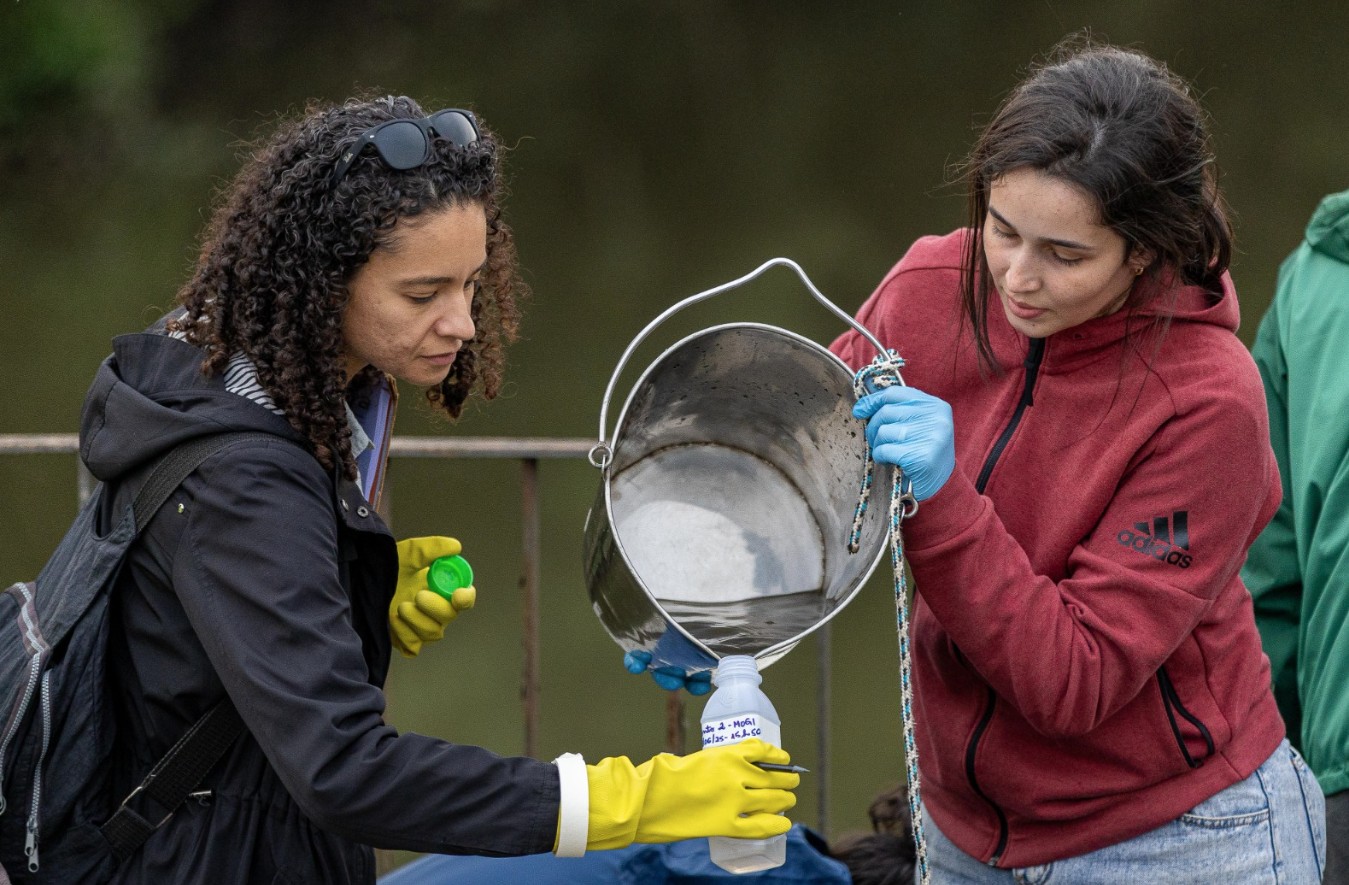
A recent expedition along Brazil's Tietê River, conducted by SOS Mata Atlântica in collaboration with universities and Instituto Itaúsa, has detected 25 distinct types of agricultural pesticides in water samples. Researchers collected samples from 14 different points across the river, identifying herbicides, fungicides, and insecticides commonly used in crops such as sugarcane, soy, and citrus, which are prevalent in the Tietê basin. The study, led by the Ecotoxicology Laboratory at CENA/USP, found that these chemicals can be carried by rain or seep into the soil, eventually reaching rivers and other water sources after application in fields. Notably, atrazine, a herbicide banned in the European Union since 2004 due to environmental and health risks, was found in the Tietê. The World Health Organization classified atrazine in 2024 as a potential carcinogen, and its concentration in some river sections exceeded Brazilian water quality standards. Tebuthiuron and clomazone herbicides were detected at all sampling points, with the highest concentrations observed in an area known for intensive agriculture between Pirapora do Bom Jesus and Barra Bonita. Even near the river's source in Salesópolis, considered relatively preserved, pesticides were identified. The presence of these pesticides poses risks to aquatic life, potentially altering animal physiology, behavior, and disrupting the food chain, with combined effects being more severe. The report highlights concerns for public water supply, as conventional treatment systems may not fully remove these organic contaminants. The expedition, covering over 1,100 kilometers from June 9-14, 2025, also found microplastics and 16 other substances, including medications and illicit drugs like cocaine, at all collection sites.
This study highlights a significant environmental challenge in Brazil's Tietê River, revealing widespread pesticide contamination. The detection of 25 different agrochemicals, including atrazine—a substance with known health risks and regulatory restrictions in other regions—underscores systemic issues in agricultural runoff management and water treatment efficacy. The persistence of herbicides like tebuthiuron and clomazone across all sampled locations, even in supposedly preserved areas, suggests that agricultural practices in the Tietê basin may be contributing to a chronic pollution load. This situation raises critical questions about the long-term sustainability of water resources for both ecological health and human consumption, particularly given the limitations of conventional water purification methods in removing complex organic compounds. Future policy and technological interventions may need to focus on source reduction, advanced treatment technologies, and integrated watershed management to mitigate these risks.
AI-generated to prompt reflection — not editorial opinion, not advice, not a statement of fact. How this works.