25 Purebred Dogs and Cats Rescued from Abuse in Mossoró
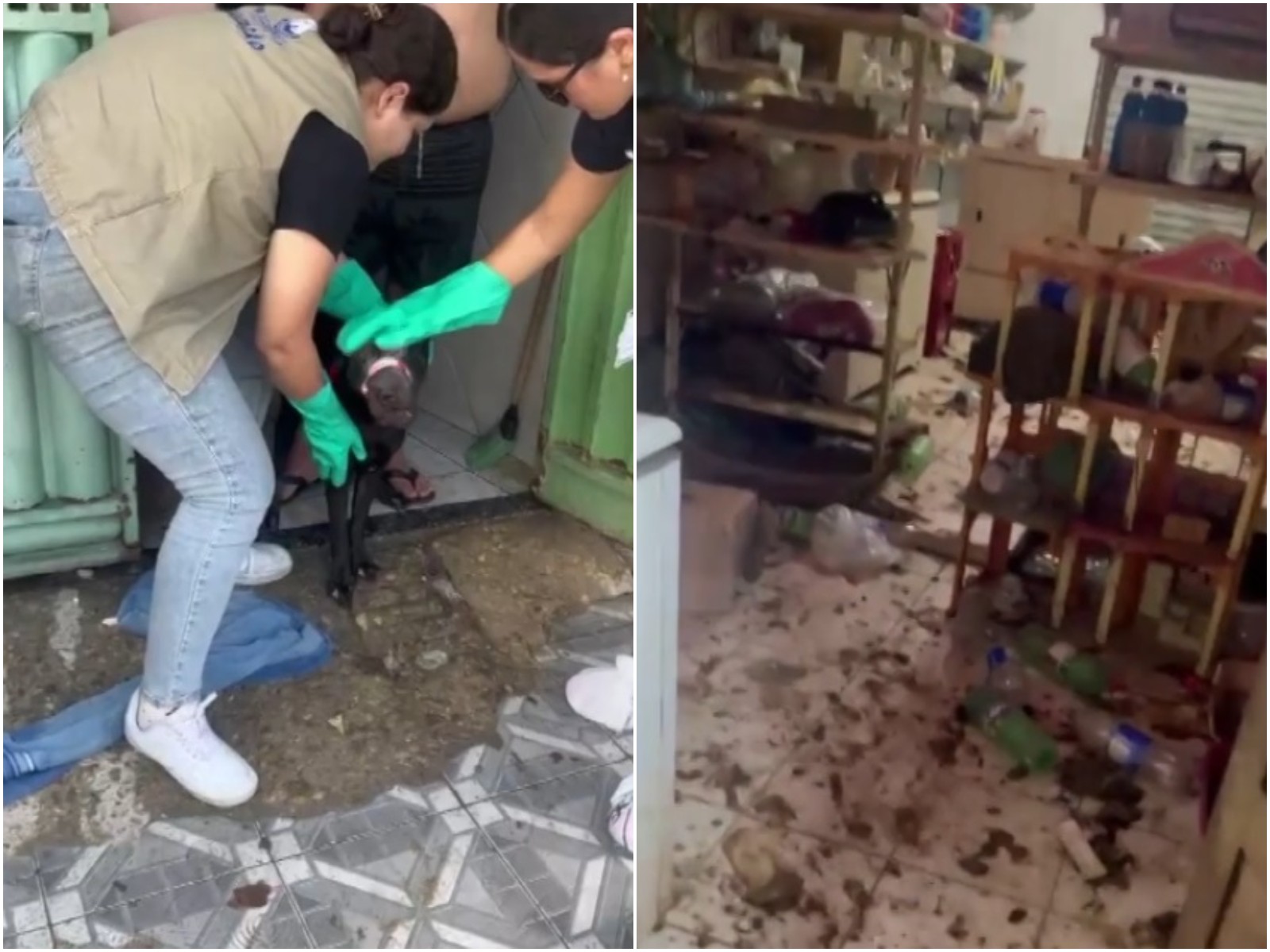
Twenty-five purebred dogs and cats were rescued from a house in the Lagoa do Mato neighborhood of Mossoró, in the Western Region of Rio Grande do Norte, Brazil, on Thursday, October 2nd. The animals, including 14 dogs and 11 cats, were allegedly used for clandestine breeding and online sales. The rescue operation was initiated following complaints received by the Center for Zoonosis Control, with support from animal protection organizations and security authorities. Upon inspection, the property was found to be in a deplorable state of hygiene, with accumulated garbage and insect infestation. Most of the animals exhibited health problems, particularly skin conditions, and received an initial veterinary assessment at the scene. According to animal activist Renata Praxedes, several pregnant females had severe skin issues, and some dogs suffered from eye problems that could lead to blindness. The cats were reportedly all ill, experiencing symptoms like sneezing, matted fur, and bloody diarrhea, along with eye discharge. Two cats and one shar-pei dog required hospitalization, with one cat identified as a breeding animal. The rescued animals have been transferred to shelters in Mossoró for veterinary treatment and will be available for adoption once they recover. A couple found at the residence will face charges for animal cruelty, a crime punishable by two to five years imprisonment, fines, and a ban on pet ownership under Brazilian law. Animal welfare groups are urging the public to avoid supporting irregular puppy sales and to report suspected abuse anonymously.
This incident highlights the severe consequences of unregulated animal breeding and clandestine sales, often driven by profit motives that override animal welfare. The conditions described suggest a systemic failure in oversight, allowing such operations to persist. Future efforts should focus on strengthening enforcement mechanisms, increasing public awareness about the ethical implications of purchasing animals from unverified sources, and promoting responsible pet ownership. Examining the legal framework's effectiveness in deterring such cruelty and ensuring adequate resources for animal protection agencies is also crucial for preventing future occurrences and safeguarding animal welfare in the long term.
AI-generated to prompt reflection — not editorial opinion, not advice, not a statement of fact. How this works.