25 States Challenge Trump Tariffs, Citing Supreme Court Precedent
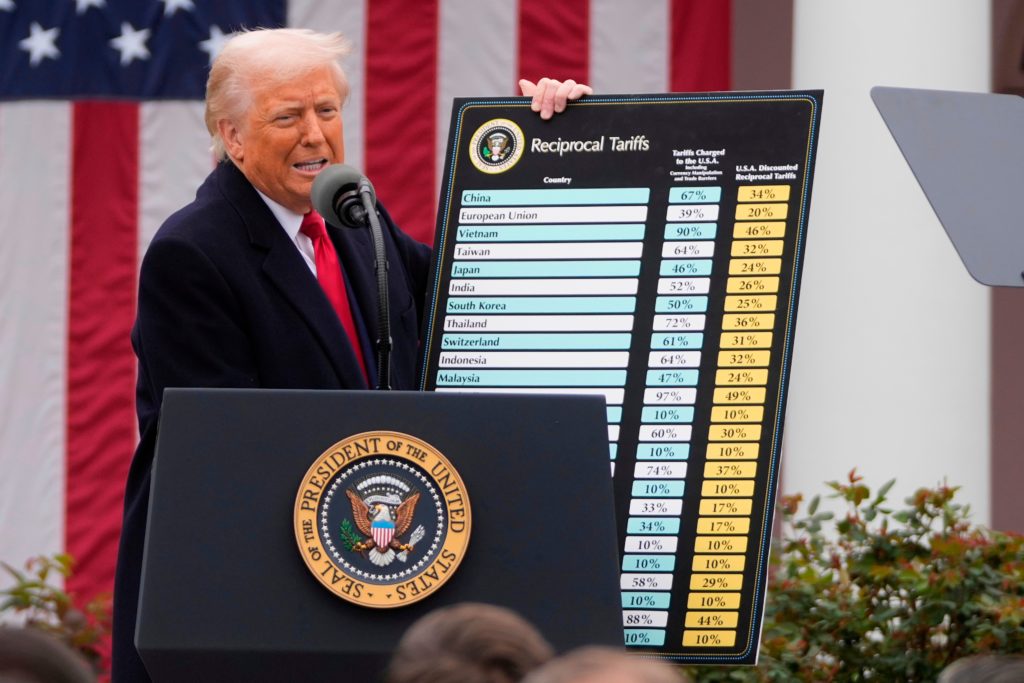
Twenty-five U.S. states have filed a lawsuit challenging the Trump administration's recent imposition of tariffs. These tariffs, described as double-digit, were applied last month to 59 countries and the European Union. The administration's stated justification for these measures was the belief that these nations had not adequately addressed imports produced through forced labor. The states' legal challenge specifically references a Supreme Court ruling, suggesting it provides grounds to contest the administration's authority or the manner in which the tariffs were enacted. The lawsuit aims to overturn or modify these trade restrictions, arguing they are either unlawful or detrimental to the states' interests. The specific details of the Supreme Court ruling cited and the precise economic impacts on the states are central to the legal arguments being presented.
This legal action highlights the ongoing tension between federal trade policy and state interests, particularly concerning the use of tariffs as a tool for enforcing labor standards. The challenge, grounded in a Supreme Court ruling, suggests a potential overreach of executive authority or a conflict with established legal interpretations of trade regulation. The administration's focus on forced labor imports raises complex geopolitical and economic questions, potentially impacting global supply chains and international relations. The states' response indicates a concern that these tariffs, regardless of their intent, may have unintended negative consequences for their economies or that the federal government has exceeded its constitutional bounds in implementing them. This case could set a precedent for how states can challenge federal trade actions in the future, balancing national security and foreign policy objectives with domestic economic stability and legal frameworks.
AI-generated to prompt reflection — not editorial opinion, not advice, not a statement of fact. How this works.
