255 Organizations Warn Starlink Blockade Harms Civilians
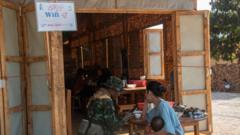
A coalition of 255 civil society organizations has issued a joint statement warning that the blockade of Starlink services is having severe negative consequences for civilians. The organizations highlighted that the disruption of Starlink is significantly impacting essential services, including healthcare, education, and humanitarian operations. They expressed deep concern over the detrimental effects these blockades are having on vulnerable populations who rely on these services. The statement, released on July 18th, underscores the critical role Starlink plays in providing connectivity for vital sectors, especially in areas where traditional infrastructure is lacking or has been damaged. The group urged for an immediate review and reconsideration of the policies leading to these blockades. They emphasized that access to communication and information is a fundamental human right, crucial for the well-being and development of communities. The collective action by these diverse organizations signals a broad consensus on the urgent need to address the humanitarian implications of communication service disruptions. Their statement serves as a plea to ensure that essential services remain accessible to all civilians, particularly during times of crisis.
The reported concerns from 255 civil society organizations regarding Starlink blockades highlight a critical tension between geopolitical objectives and humanitarian imperatives. While national security and strategic interests may necessitate certain communication restrictions, the analysis must consider the systemic impact on civilian populations. The reliance on satellite internet for essential services like healthcare and education, particularly in conflict or underserved regions, suggests that blanket blockades can inadvertently create humanitarian crises. Future governance frameworks for satellite communication infrastructure may need to incorporate robust mechanisms for safeguarding civilian access during periods of geopolitical dispute, balancing sovereign concerns with universally recognized human rights to information and essential services. This situation prompts a broader discussion on the ethical deployment and accessibility of advanced technologies in complex global environments.
AI-generated to prompt reflection — not editorial opinion, not advice, not a statement of fact. How this works.