26-year-old cyclist killed by truck on RJ-186 in Santo Antônio de Pádua
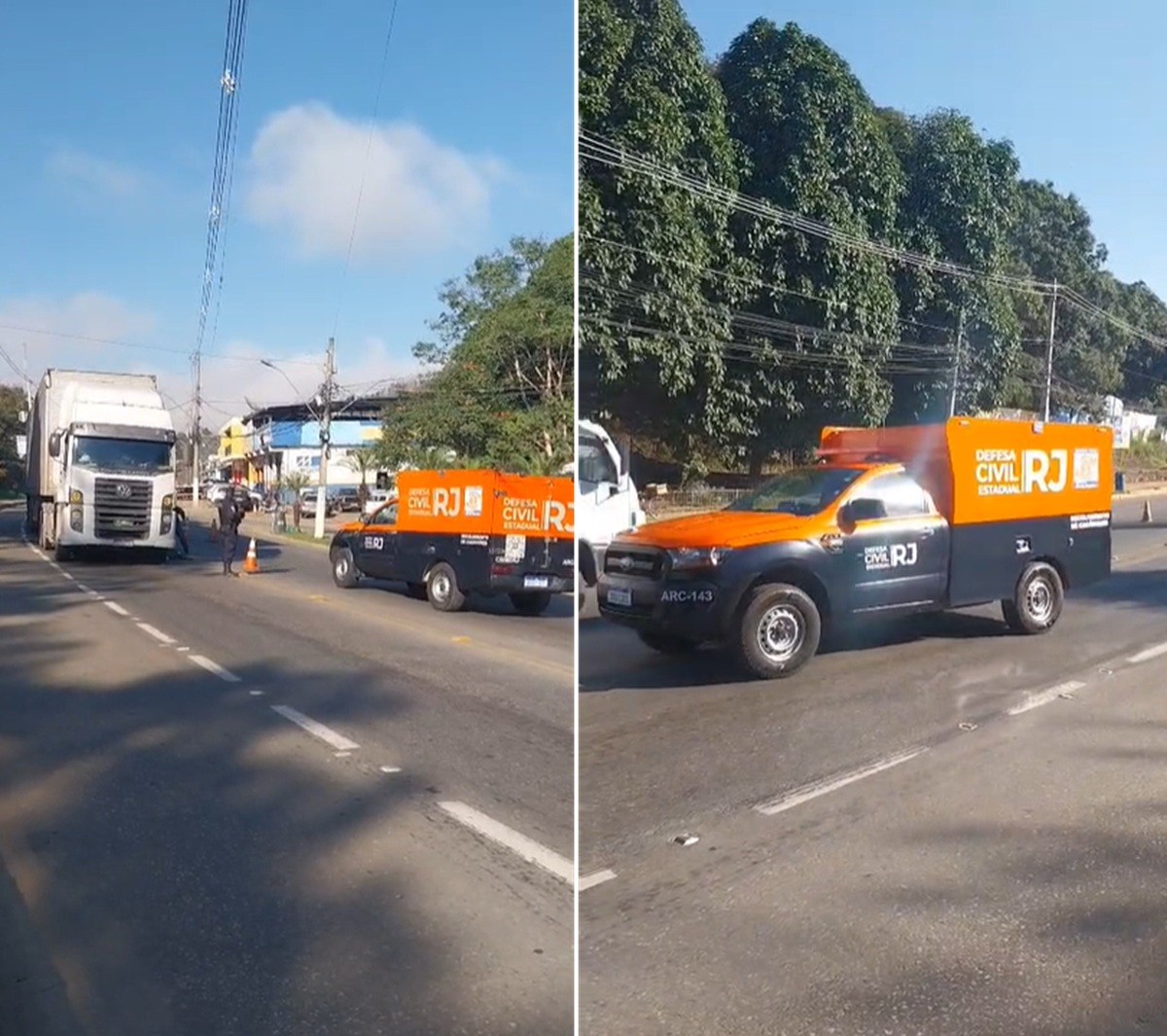
A tragic accident on Thursday morning, May 2nd, claimed the life of Evelyn Oliveira Marques, a 26-year-old woman, in Santo Antônio de Pádua, located in the Northwest Fluminense region of Brazil. Ms. Marques was riding her bicycle to work when she was struck by a truck on the RJ-186 highway, specifically in the urban stretch passing through the Arraialzinho neighborhood. She was pronounced dead at the scene. The accident also resulted in injuries to a 60-year-old man, who was rescued by firefighters and transported to Hélio Montezano Hospital. His current condition has not been released. The exact circumstances surrounding the collision are under investigation by the Civil Police. This section of the RJ-186 is known for its heavy vehicle traffic, including many trucks using it as a route to BR-101 and Espírito Santo. The road is also frequently used by pedestrians and cyclists. Ms. Marques's death follows a series of other fatal accidents in the region recently, including a pedestrian fatality on BR-356 in Itaperuna and another elderly pedestrian's death in Córrego Seco.
This incident highlights critical infrastructure safety concerns where high-volume commercial traffic intersects with vulnerable road users like cyclists and pedestrians. The RJ-186's role as a major artery for freight transport, connecting to key highways, creates inherent risks that demand robust traffic management and infrastructure design. Future urban planning must prioritize the separation of different traffic modes to mitigate such preventable tragedies. As AI integration in logistics and traffic control advances, opportunities exist to implement predictive safety analytics and dynamic traffic flow management systems that could significantly reduce the likelihood of accidents involving heavy vehicles and non-motorized transport, particularly in densely populated or frequently used urban stretches.
AI-generated to prompt reflection — not editorial opinion, not advice, not a statement of fact. How this works.