28 Miners from Shangla Killed in Balochistan Coal Mine Gas Explosion
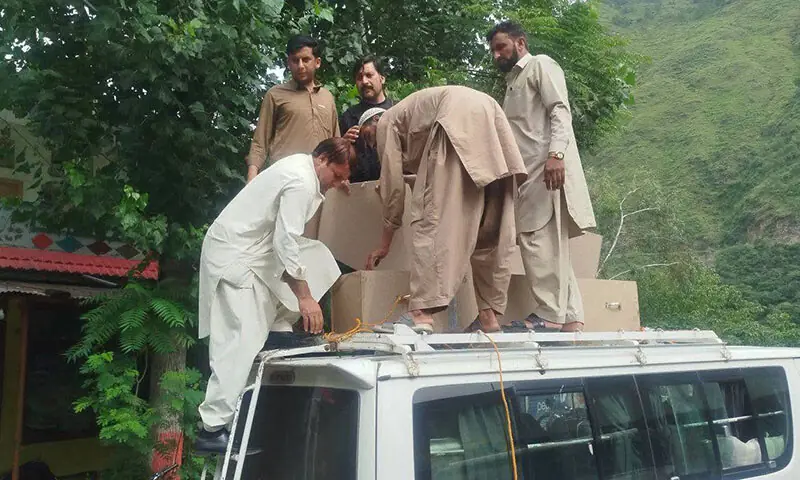
A devastating gas explosion at a coal mine near Quetta, Balochistan, on Thursday has claimed the lives of 28 miners from Shangla district in Khyber Pakhtunkhwa. The tragedy has deeply impacted the village of Mian Kaly, where 23 of the deceased hailed from, leaving nearly every household in mourning. The victims, all young men aged between 17 and 25, were reportedly cousins or close relatives, with some being orphans whose fathers had also died in previous mining accidents. Abid Yaar, president of the Shangla Coal Mine Workers Association, attributed the disaster to the mine administration's negligence, citing a lack of proper ventilation and safety measures in the government-run facility. He highlighted that Shangla's scarcity of local employment opportunities forces its youth into hazardous mining work to support their families. The families of the victims expressed further distress over the government's failure to provide ambulances, forcing them to transport the bodies in vans at their own expense. Rescue teams recovered 32 bodies from two mines in the Sorange coalfield following the methane gas explosion, which also triggered a fire and mine collapse, affecting a nearby mine. The explosion occurred at a private mine, with 34 miners initially reported inside the two affected sites. This incident follows a pattern of mining accidents in Balochistan, including an explosion in June that injured three and two separate accidents in April that killed at least five miners.
This tragic event underscores systemic issues within Pakistan's mining sector, particularly concerning worker safety and economic precarity. The reported negligence in safety protocols, including inadequate ventilation, points to governance failures in enforcing regulatory standards for government-run and private mines alike. The disproportionate impact on young men from Shangla highlights regional economic disparities that push vulnerable populations into high-risk employment, creating cycles of poverty and danger. Future interventions should focus on strengthening regulatory oversight, investing in safer mining technologies, and fostering diversified economic opportunities in regions like Shangla to reduce reliance on hazardous labor. Addressing the root causes of such recurring accidents requires a multi-faceted approach involving government accountability, industry best practices, and community development initiatives.
AI-generated to prompt reflection — not editorial opinion, not advice, not a statement of fact. How this works.