3,000 Petrolina Families Risk Losing Free Electricity If Cadastro Update is Missed
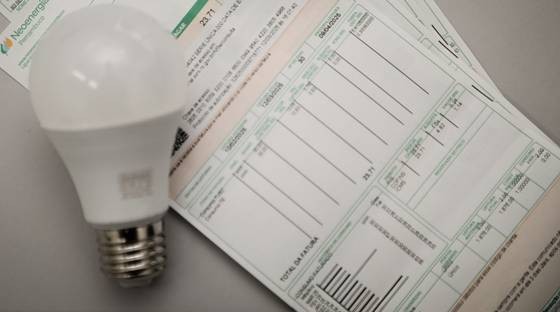
Approximately 3,000 households in Petrolina, Pernambuco, are at risk of losing their free electricity benefit if they fail to update their registration details. This represents 14.59% of the program's beneficiaries in the state, according to Neoenergia. The benefit, which provides free electricity for the first 80 kWh consumed monthly, is subject to new federal regulations that took effect in January 2026. To retain the Tarifa Social de Energia Elétrica (TSEE), the electricity bill must be in the name of the family head registered in the Cadastro Único (CadÚnico) or a member of the same family group. Alternatively, beneficiaries of the Benefício de Prestação Continuada (BPC) can also qualify if the bill is in their name. Crucially, the address on the electricity bill must match the address registered in CadÚnico or, for BPC/LOAS beneficiaries, with the National Social Security Institute (INSS). Failure to comply could result in these families paying around R$80 per month for electricity, in addition to public lighting contributions. Neoenergia stated that these changes aim to prevent fraud and ensure the benefit reaches eligible recipients. Inconsistencies between the electricity bill's holder and social registry data may lead to automatic disqualification. Beneficiaries must update their CadÚnico information, especially after changes in address or family composition, at a local CRAS. BPC/LOAS recipients need to update their address at an INSS agency. If the bill is not in the name of an eligible beneficiary, a change of ownership must be requested through Neoenergia Pernambuco's digital channels or in person.
The updated regulations for the Tarifa Social de Energia Elétrica (TSEE) aim to enhance program integrity by aligning electricity bill ownership and addresses with official social registry data. This measure is designed to mitigate potential fraud and ensure that subsidies are directed to genuinely eligible households, a common challenge for social welfare programs globally. While intended to improve efficiency, the strict requirement for cadastral updates and matching addresses presents a significant administrative hurdle for beneficiaries, particularly those with limited access to digital services or who have experienced recent life changes like relocation. The potential loss of a substantial monthly benefit, estimated at R$80 plus public lighting fees, could impose considerable financial strain on vulnerable families. Future policy considerations might explore more flexible mechanisms for verification or outreach to ensure that procedural complexities do not inadvertently exclude those the program intends to support, balancing accountability with accessibility in the evolving digital landscape.
AI-generated to prompt reflection — not editorial opinion, not advice, not a statement of fact. How this works.