3,000-Year-Old Ramesside Era Tomb Discovered Near Luxor, Egypt
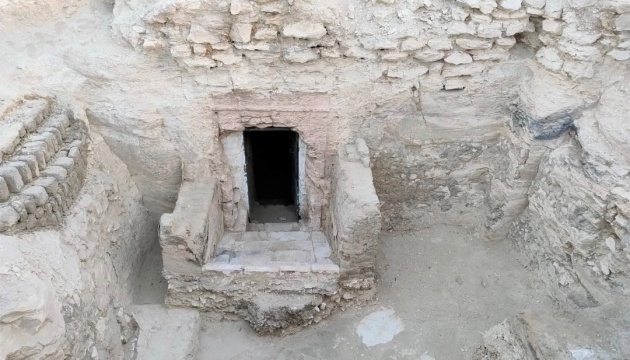
An archaeological mission from Leiden University in the Netherlands has uncovered an ancient tomb dating back to the Ramesside period. The discovery was made near Luxor, a city located in southern Egypt. The tomb's age is estimated to be approximately 3,000 years old. This finding adds to the rich historical and archaeological landscape of Egypt, particularly in the region of Luxor, which is renowned for its ancient sites. The Ramesside period, a significant era in ancient Egyptian history, spanned from the 13th to the 11th centuries BCE. Further research by the Dutch archaeological team is expected to shed more light on the tomb's occupants and its historical context. The excavation represents a continuation of ongoing efforts to explore and preserve Egypt's vast ancient heritage. Discoveries like this are crucial for understanding the civilization of ancient Egypt and its various dynasties. The team's work underscores the importance of international collaboration in archaeological research.
This archaeological discovery near Luxor highlights the enduring historical significance of the Ramesside period. The excavation by a Dutch mission from Leiden University underscores the global interest and collaborative nature of Egyptology. Such finds are vital for advancing our understanding of ancient Egyptian society, governance, and funerary practices. Future analysis will likely focus on the tomb's contents and inscriptions to contextualize its place within the broader historical narrative, potentially revealing new insights into the political and cultural dynamics of that era. The ongoing exploration of these ancient sites contributes to both academic knowledge and cultural heritage preservation, offering a long-term perspective on human civilization.
AI-generated to prompt reflection — not editorial opinion, not advice, not a statement of fact. How this works.