3-Year-Old Boy Battles Progressive Scoliosis After Premature Birth
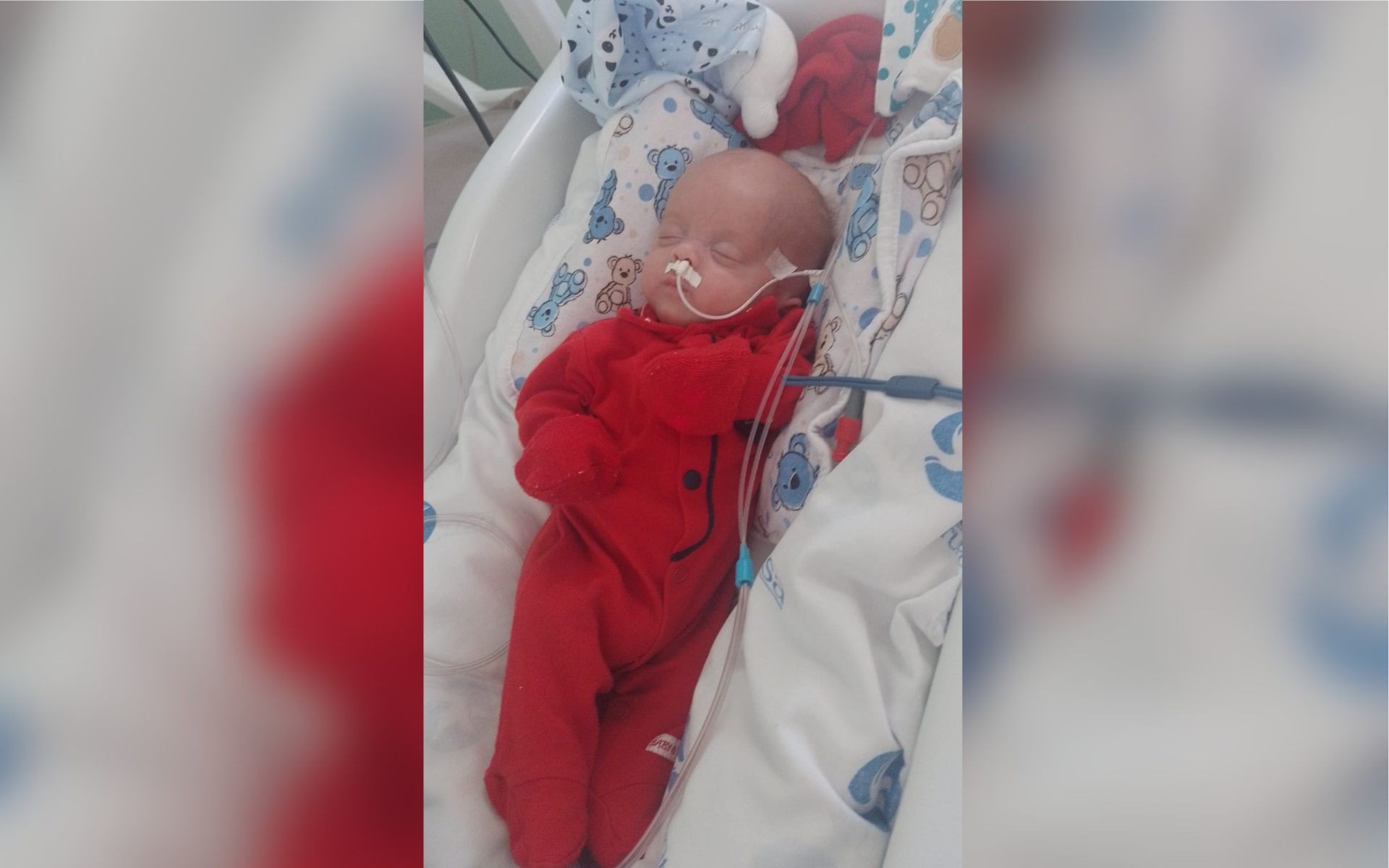
A three-year-old boy named Emanuel Lohan Alves de Lima in São José do Rio Preto, São Paulo, is currently battling the progression of scoliosis. He was born prematurely at just 25 weeks gestation on December 24, 2022, weighing only 670 grams. Due to hospital overcrowding, his mother, Maria Fernanda Alves, 27, was transferred to Santa Casa de Votuporanga via the public health system. Her pregnancy was progressing normally until she developed pre-eclampsia, leading to Emanuel's early birth.
Emanuel's low birth weight necessitated a 94-day stay in the pediatric intensive care unit (ICU) and an additional seven days in a regular room. Doctors initially gave him only a 10% chance of survival. As a result of his prematurity, he experienced delays in motor development and began therapy sessions at the Associação de Reabilitação da Criança Deficiente (ARCD) in São José do Rio Preto. Last year, he was diagnosed with scoliosis, a condition common in children with such developmental delays. He is currently hypotonic and cannot yet sit independently.
Maria Fernanda, Emanuel's sole caregiver, left her job as a childcare provider to focus entirely on his care. The family receives the Benefício de Prestação Continuada (BPC) for him and also has a private health plan for his ongoing medical treatment and monitoring. Despite the challenges, Maria Fernanda remains optimistic about his gradual progress, emphasizing that her son means everything to her and life would lack meaning without him. The primary goal of his treatment is to prevent the worsening of his scoliosis.
This case highlights the long-term health challenges faced by extremely premature infants, including developmental delays and conditions like scoliosis. The narrative emphasizes the mother's dedication and the financial strain of providing specialized care, even with public assistance and private insurance. From a systems perspective, the incident underscores the critical importance of robust neonatal intensive care units and ongoing pediatric rehabilitation services. It also raises questions about the accessibility and continuity of care for children with complex, chronic conditions, particularly concerning the interplay between public health infrastructure, private insurance, and the financial burden on families. The focus on preventing further progression of scoliosis points to the need for proactive, multidisciplinary management of conditions arising from extreme prematurity.
AI-generated to prompt reflection — not editorial opinion, not advice, not a statement of fact. How this works.