3-Year-Old Boy Found Dead in Palmas; Father Under Investigation
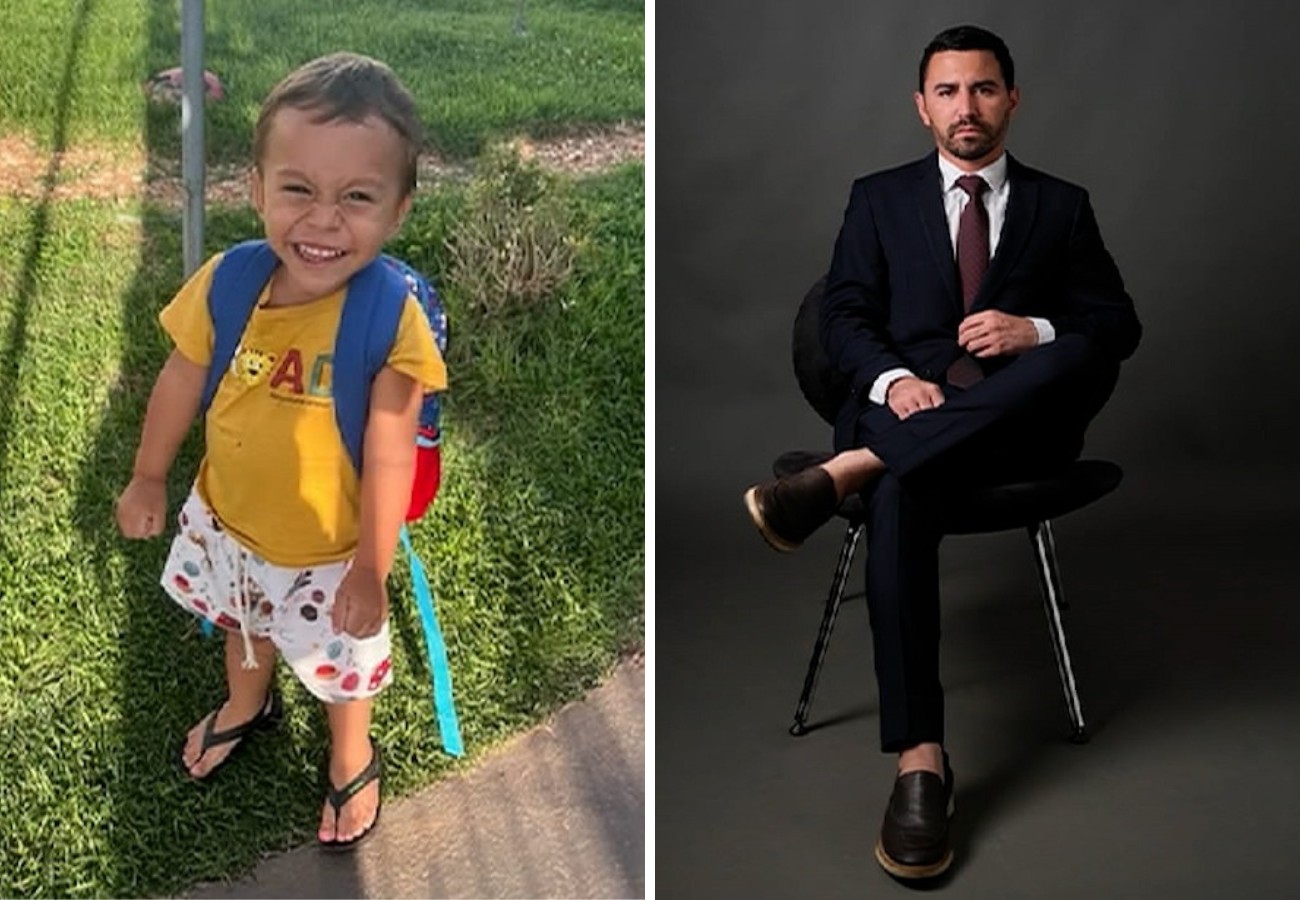
A three-year-old boy, Gustavo Veloso Feitosa, was found dead in his home in the northern region of Palmas, Brazil, on Monday, October 3rd. The preliminary findings from the Institute of Legal Medicine (IML) in Palmas, as stated by its director Eduardo Godinho, indicate the child suffered "a lot of violence," including intestinal laceration and severe internal and external bleeding, which are considered the apparent cause of death. Godinho, a forensic doctor with 18 years of experience, described the case as unprecedented in the state of Tocantins, noting the presence of aggression marks on the child's body, particularly on the face and internally, and stated there were no signs of drowning. The child's father, lawyer Igor Gustavo Veloso de Sousa, initially approached the Civil Police claiming his son had begun to drown in the swimming pool. He was questioned and released after providing the house keys to the authorities. The police, led by Delegate Eduardo Menezes of the Homicide Division (DHPP), are investigating the father as a suspect, awaiting the full autopsy and forensic reports to determine if the death was a result of aggression or an accident. The father's defense maintains that he performed first aid after the alleged drowning incident, and the child appeared to recover before being put to rest. They claim the father discovered the child unresponsive the following morning and, in a state of distress, left the residence before voluntarily reporting the incident to the police. The mother of the child was reportedly a victim of threats. The OAB (Brazilian Bar Association) - Tocantins Section is monitoring the case and awaiting official findings.
This tragic event underscores the critical importance of robust child protection systems and objective forensic investigation. While the father's account suggests an accidental drowning, the IML's preliminary findings of "a lot of violence" and severe internal injuries, contradicting the absence of drowning signs, necessitate a thorough and impartial inquiry. The investigation must meticulously differentiate between accidental harm and deliberate aggression, considering all evidence, including the mother's reported threats. Future public policy discussions could explore enhanced support for parental mental health and early intervention programs for families under stress, aiming to prevent such devastating outcomes by addressing potential systemic vulnerabilities.
AI-generated to prompt reflection — not editorial opinion, not advice, not a statement of fact. How this works.
