3-Year-Old Boy with Rare Genetic Syndrome to Leave Hospital After Legal Battle
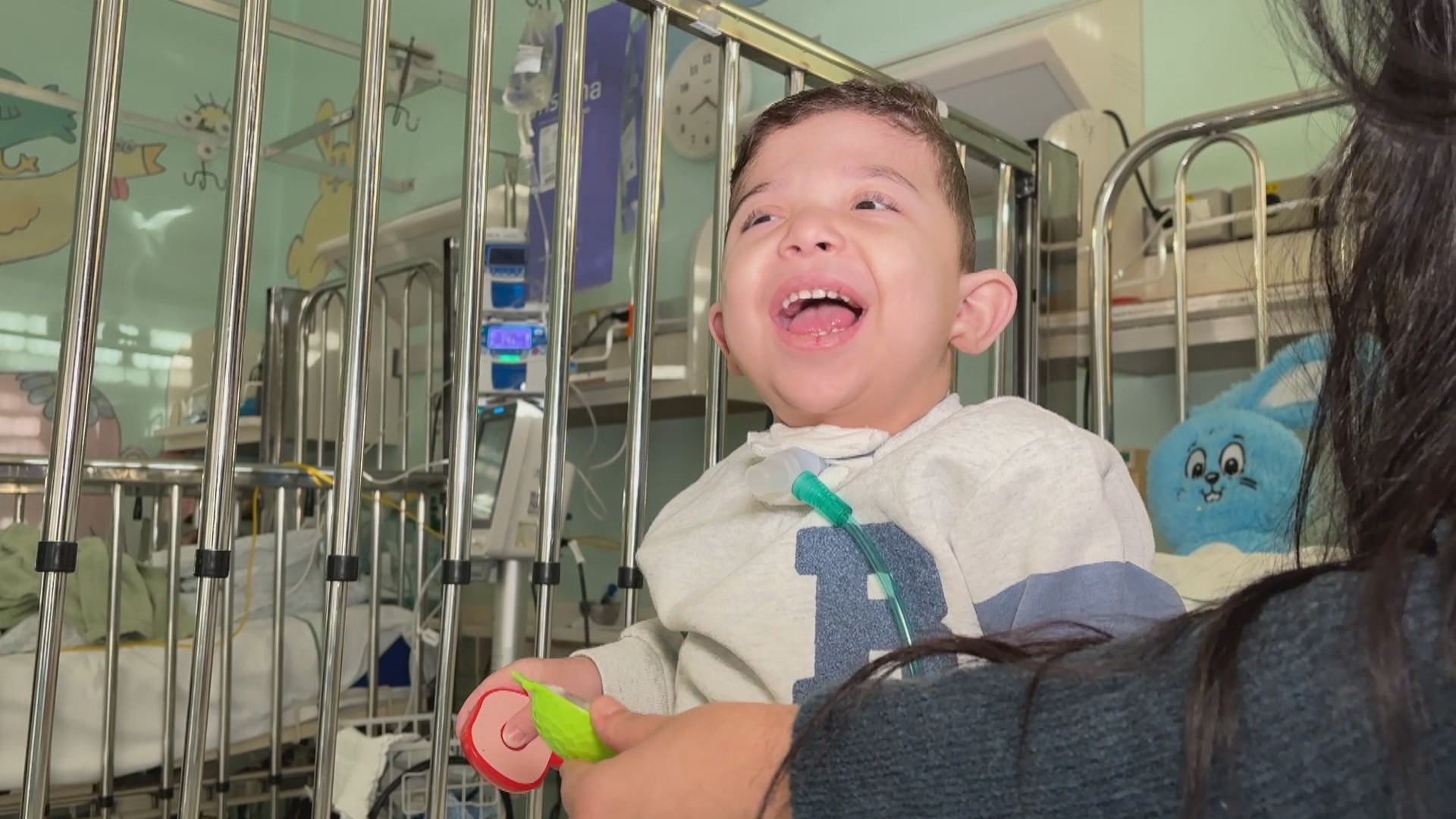
Rhavi, a three-and-a-half-year-old boy diagnosed with Noonan Syndrome, has spent his entire life within a room at the Hospital de Clínicas de Porto Alegre. His condition affects his digestive system, requiring him to receive all nutrition intravenously through parenteral nutrition. Additionally, he needs mechanical ventilation due to lung complications from prematurity. Despite numerous health challenges in his first year, Rhavi has shown positive progress and is described as a cheerful child by his family and medical team. His mother, Jéssica de Azevedo Bastos, has been by his side daily, taking a leave from her public servant job to care for him. Initially, doctors had low expectations for his survival, but after surviving early intubation and heart surgery at six months, genetic tests revealed his rare diagnosis. A recent judicial decision mandates that the state provide Rhavi with specialized home care services, allowing him to leave the hospital. This home care includes multidisciplinary professional support and the necessary equipment for his safety. The State Health Secretariat confirmed a company has been hired for services like physiotherapy and nutrition, but awaiting judicial release of funds for essential equipment. The court has ordered funds to be blocked for this structure and set a deadline for his discharge, though the family requested an extension to resolve pending issues, including a dispute over certain medications not covered by the public health system.
This case highlights the complex intersection of medical necessity, judicial intervention, and state resource allocation in providing specialized care for individuals with rare and severe conditions. The legal mandate for home care underscores the evolving understanding of patient rights and the potential for de-hospitalization when appropriate support structures are established. The ongoing challenges in securing necessary equipment and non-SUS medications reveal systemic bottlenecks in public healthcare provision, particularly for complex cases. Future considerations should focus on streamlining the procurement and funding processes for home care services to prevent delays that impact patient well-being and family stability, ensuring that legal rights translate into timely and comprehensive care delivery.
AI-generated to prompt reflection — not editorial opinion, not advice, not a statement of fact. How this works.