30 Dead in Chittagong, Hill Tracts, and Cox's Bazar Due to Landslides
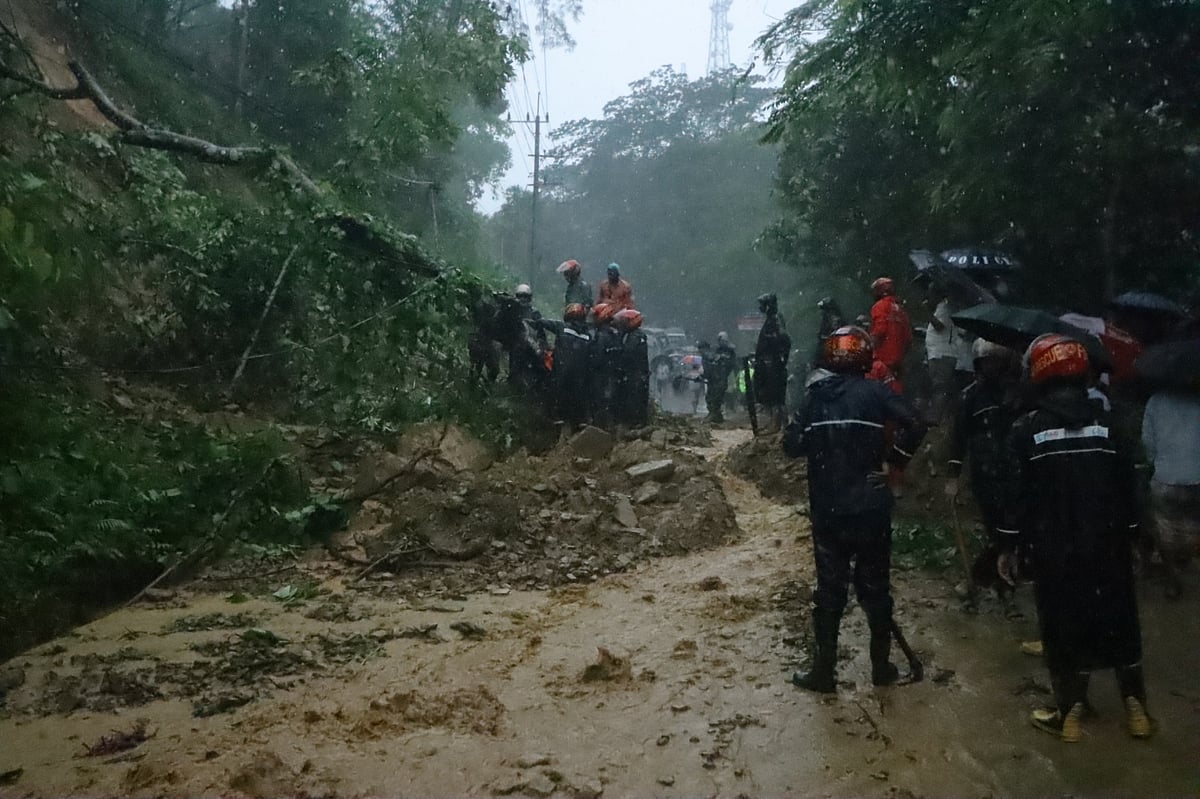
Disaster Management and Relief Minister Asadul Habib Dulu informed Parliament that 30 people have died in Chittagong, the Hill Tracts, and Cox's Bazar due to landslides and other rain-related incidents following several days of continuous rainfall. He presented the government's response measures during a statement in the National Parliament on Thursday, under rule 300. The heavy rains have caused widespread flooding in these regions. Specifically, landslides resulted in 5 deaths in Chittagong, 19 in Cox's Bazar, 1 in Rangamati, and 5 in Bandarban. In response, the government has opened numerous shelters: 411 in Chittagong, 640 in Cox's Bazar, 21 in Rangamati, 135 in Khagrachhari, and 220 in Bandarban, ensuring access to safe drinking water and food. Financial and food aid has been distributed in two phases, and public announcements are being made to encourage residents of vulnerable areas to relocate to safer grounds. The Prime Minister is closely monitoring the situation and providing guidance. Additionally, Tk 2 million has been allocated from the Prime Minister's relief fund to each affected district, with further emergency funds available if needed. The minister also announced an allocation of 100 tons of rice and Tk 200,000 to each district nationwide for disaster preparedness and urged Members of Parliament to raise awareness about preventing landslide-related deaths. Road and rail communication have been disrupted, and low-lying areas in five districts of the Chittagong region are submerged.
The tragic loss of life underscores the critical need for integrated disaster risk management strategies that extend beyond immediate relief. While the government's swift allocation of funds and opening of shelters demonstrate responsiveness, long-term solutions require proactive measures. These could include enforcing stricter land-use regulations in hilly regions, investing in early warning systems, and implementing sustainable infrastructure projects that mitigate landslide risks. The event highlights the vulnerability of densely populated areas situated in geologically unstable zones, a growing challenge in the face of climate change and urbanization. Future policy should focus on resilient development and community-based preparedness to reduce the recurring human and economic toll of such natural disasters.
AI-generated to prompt reflection — not editorial opinion, not advice, not a statement of fact. How this works.