30 Peacocks Stolen in Brazil, Causing Over $11,000 in Losses
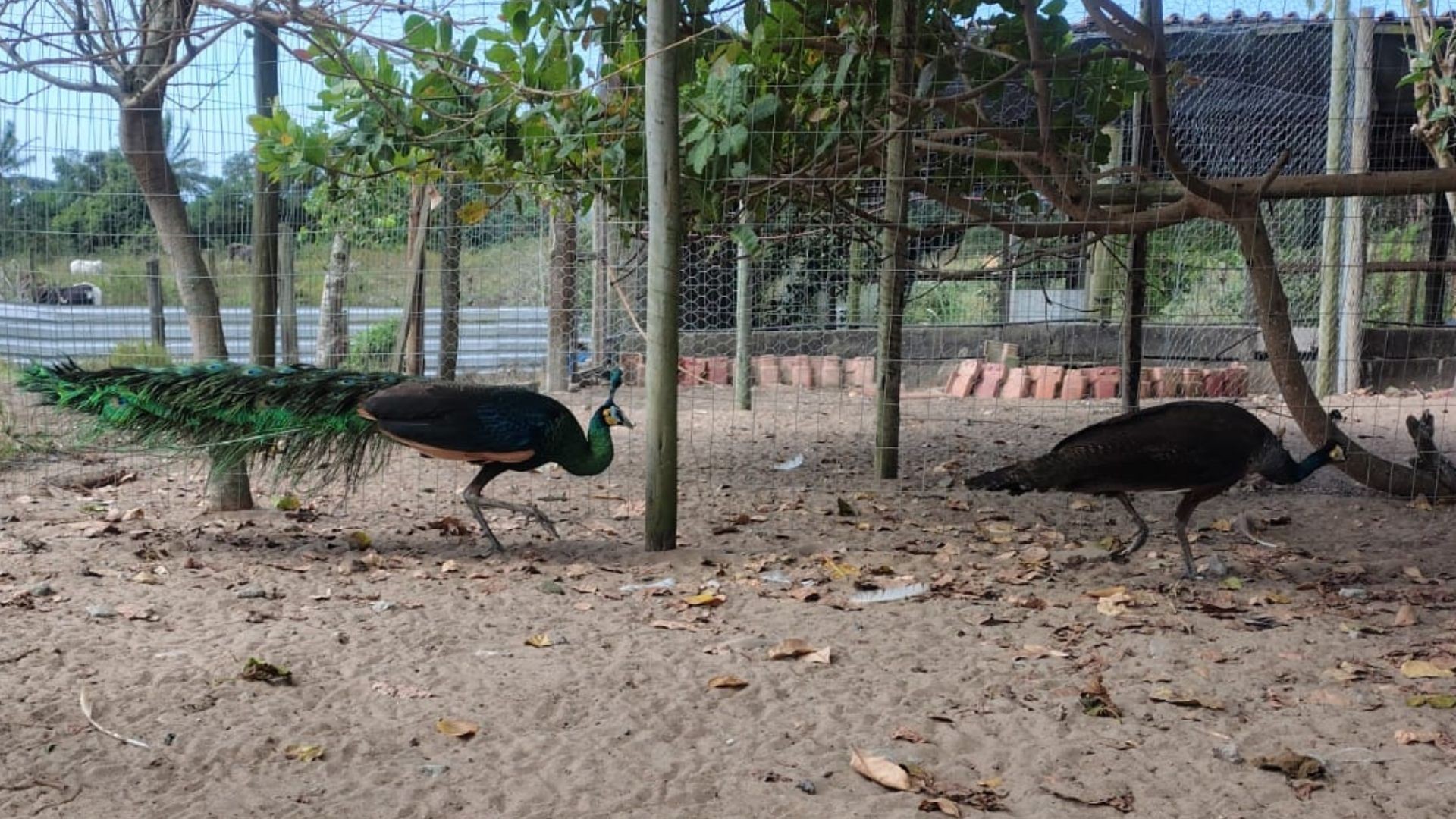
Police in São Mateus, Espírito Santo, Brazil, are investigating the theft of 30 peacocks from a private property. The incident occurred on the night of June 28th. The owner, a breeder with over 20 years of experience, discovered the theft the following morning when she found the aviary's protective screens cut and feathers scattered. She estimates the total financial loss to be over R$ 60,000 (approximately $11,500 USD), with some individual birds valued as high as R$ 10,000. The breeder suspects the perpetrators had inside knowledge of the property, as they targeted specific, valuable birds and avoided areas covered by security cameras. Security footage reportedly shows two cars parked at the rear of the property, approximately 250 meters from the aviary, suggesting the thieves approached on foot. Among the stolen birds were three adult males and two adult females of the rare Arlequim de Verde Java species, which are of reproductive age. The owner believes the thieves may have attempted to return the following night to steal more peacocks, as neighbors reported seeing a car nearby, but they were unsuccessful in gaining entry again. The Civil Police have stated the investigation is ongoing, but no arrests have been made. Information can be anonymously reported via the Disque-Denúncia hotline or their website and WhatsApp.
The theft of valuable peacocks highlights vulnerabilities in rural property security, particularly concerning specialized livestock. The perpetrators' apparent knowledge of the property and targeting of specific breeds suggest a potential connection to the exotic bird trade or organized poaching rings. The economic incentive, driven by the high market value of rare breeds like the Arlequim de Verde Java, underscores the need for enhanced surveillance and community-based reporting systems. Future security strategies might consider integrated approaches combining technological solutions with local intelligence networks to deter such specialized crimes and protect valuable animal assets.
AI-generated to prompt reflection — not editorial opinion, not advice, not a statement of fact. How this works.