31,800 Without Power in Presidente Prudente After Surge in Pole Collisions
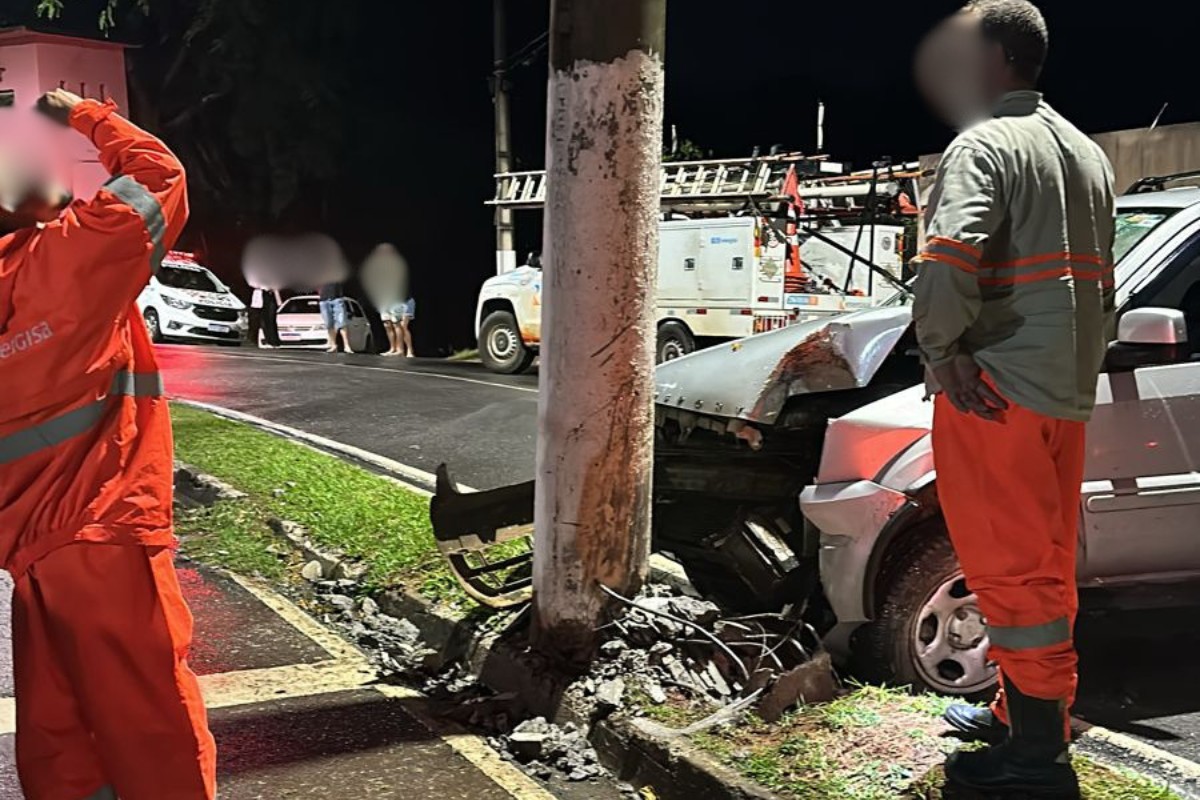
A significant increase in collisions with utility poles has led to widespread power outages in the Presidente Prudente region of São Paulo, Brazil. In the first half of this year, 131 such accidents were recorded, an 84% rise from the 71 incidents during the same period last year. These accidents have not only endangered drivers, passengers, and pedestrians but also disrupted the electricity supply, affecting over 31,800 customers in the Presidente Prudente region alone. In the neighboring Assis and Tupã regions, accidents also rose by nearly 30%, with 83 incidents this year compared to 64 last year, impacting over 13,000 consumers. Alessandro Gomes Martins, manager of Energisa Sul-Sudeste's Integrated Operations Center, stated that repair teams are dispatched immediately, but restoration times vary based on the severity of the damage. While automatic procedures are initiated to minimize impact, replacing damaged poles can take three to four hours or more, depending on site conditions and incident complexity. The energy company advises individuals involved in or near accidents involving poles or power lines to remain inside vehicles and maintain distance from downed cables, which may still be energized and pose a severe electrocution risk. Emergency services can be contacted via 193, and Energisa can be reached through their app, WhatsApp, or call center.
The surge in pole collisions highlights a critical infrastructure vulnerability exacerbated by traffic safety issues. The economic impact of these incidents extends beyond immediate repair costs, encompassing lost productivity and potential business disruptions due to power outages. From a systems perspective, this suggests a need for enhanced preventative measures, potentially including improved road design, driver education campaigns focused on the risks of pole impacts, or even technological solutions like more resilient pole designs or early warning systems for hazardous road conditions. The energy provider's response, while adhering to safety protocols, also underscores the inherent fragility of distribution networks when subjected to external physical threats. Future infrastructure planning should consider the interplay between traffic patterns, environmental factors, and the resilience of utility assets to minimize widespread service interruptions.
AI-generated to prompt reflection — not editorial opinion, not advice, not a statement of fact. How this works.