317 Rescued Birds Released, Highlighting Illegal Wildlife Trafficking Route in Western Pará
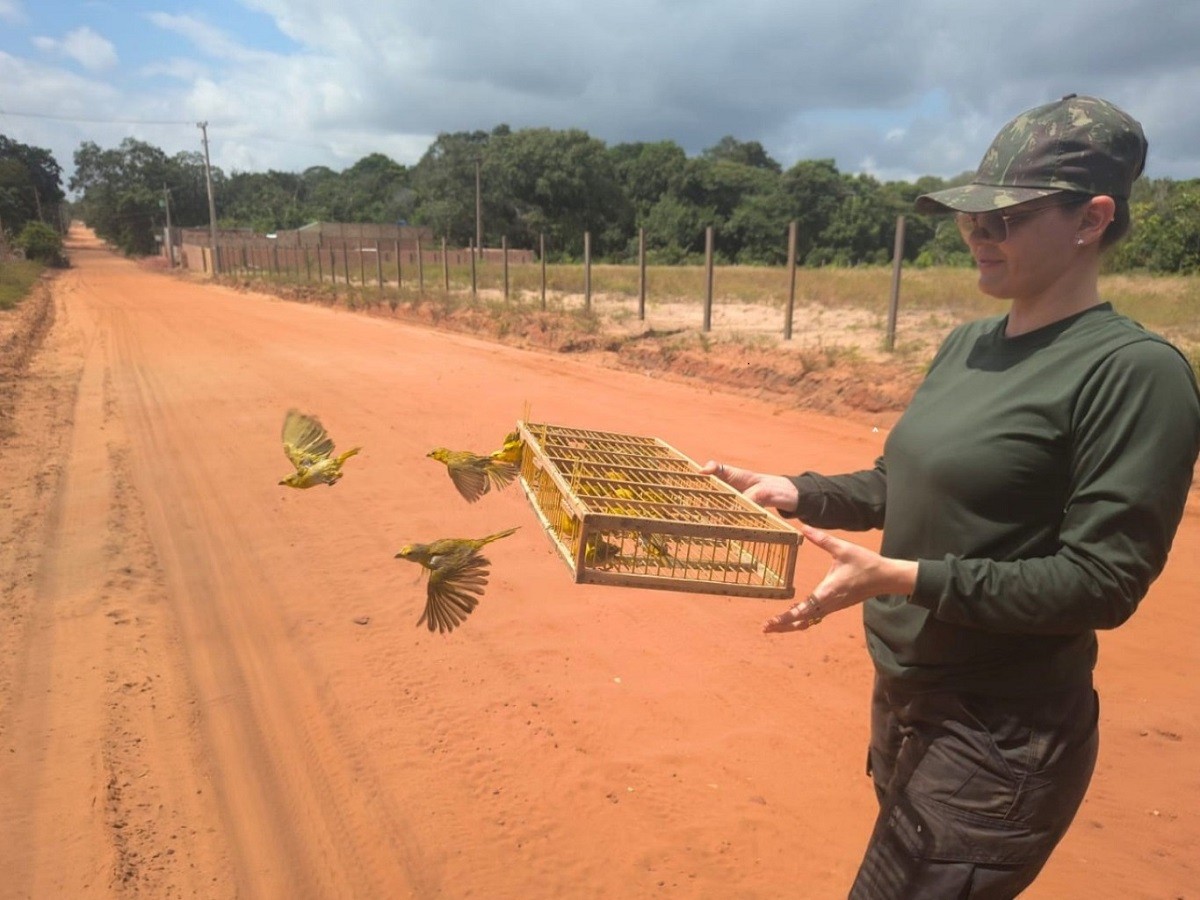
The release of 317 birds rescued by the Federal Highway Police (PRF) in Santarém, western Pará, has raised concerns about an established illegal wildlife trafficking route. This operation underscores the region's continued use by criminals for the illicit transport of birds and other wild animals to clandestine markets nationwide.
The birds, identified as canaries, were seized on July 10 during a PRF inspection on BR-163 highway. They were found being illegally transported on an intercity bus without any documentation proving their legal origin. Sidmar, head of the PRF's 5th precinct, emphasized the importance of inter-agency collaboration in combating wildlife trafficking and ensuring the welfare of rescued animals. The case was processed by the Civil Police, and the birds were then transferred to the Municipal Secretariat of Environment (Semma) for rehabilitation. A veterinarian from ZooUnama assessed the birds the following day, deeming them fit for release.
The birds were returned to nature over the weekend in various locations across Santarém, including Praça da Vera Paz, the City Waterfront, Mapiri Waterfront, Juá region, and the communities of Pajuçara and Carapanari. Vânia Portela, the municipal environment secretary, highlighted the critical role of integrated efforts between enforcement agencies to combat wildlife trafficking, which causes significant damage to biodiversity. This incident follows a similar seizure in February in Óbidos, where over 140 wild animals, including turtle hatchlings, caimans, and snakes, were confiscated during an operation. Authorities note that the combination of extensive waterways and major federal highways makes western Pará a key transit point for wildlife traffickers, with Captain Wanderson Queiroz of the 1st Cipamb in Santarém reporting recurrent environmental crimes involving birds, turtles, and fish in the area.
The seizure and subsequent release of 317 birds in western Pará highlight the persistent challenge of wildlife trafficking, exacerbated by the region's complex transportation infrastructure. This event underscores the critical need for robust, coordinated enforcement strategies that address both road and riverine routes used by illicit networks. The incident serves as a reminder that effective conservation requires not only inter-agency cooperation but also public awareness campaigns to disrupt demand for trafficked wildlife. Future efforts should consider leveraging technology for real-time monitoring and data analysis to proactively identify and intercept trafficking operations, thereby mitigating the long-term ecological and economic impacts on biodiversity.
AI-generated to prompt reflection — not editorial opinion, not advice, not a statement of fact. How this works.