32 Miners Dead After Methane Explosion and Collapse in Balochistan Coal Mines
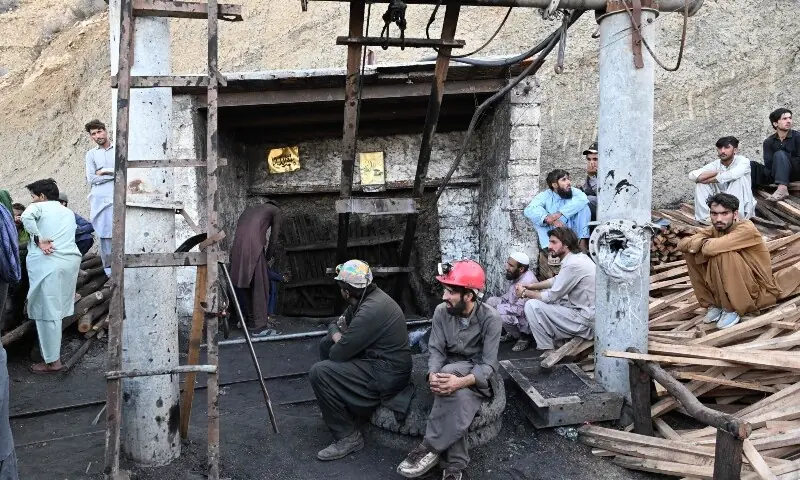
A devastating methane gas explosion in two coal mines in the Sorange coalfield near Quetta, Balochistan, has resulted in the deaths of at least 32 miners. The incident occurred on Thursday, approximately 30 kilometers northeast of Quetta, when a blast triggered a fire and caused a mine collapse. Chief Inspector of Mines Balochistan, Muhammad Atif, confirmed that 34 miners were present in the two affected mines at the time of the explosion. As of Friday, rescue teams had recovered 32 bodies, with efforts ongoing to locate the remaining two miners trapped deep underground. The explosion initially affected one private mine where 24 miners were working about 4,000 feet below the surface. The blast's impact extended to a nearby mine, where 12 miners were working. Rescue operations have been significantly hampered by the continued presence of methane gas and the fire, complicating efforts to access the deeper sections of the mines. The provincial government has pledged Rs500,000 in compensation for each deceased miner's family and Rs300,000 for injured workers. An inquiry into the incident has also been announced. This tragedy follows previous mining accidents in the region, including incidents in April and June that resulted in fatalities and injuries.
This tragic event highlights persistent safety challenges within the mining sector, particularly in regions with potentially older infrastructure and less stringent regulatory oversight. The reliance on methane gas, a known explosive hazard, underscores the critical need for advanced safety protocols, real-time gas monitoring, and robust emergency response plans. The compensation offered by the provincial government is a necessary humanitarian gesture, but it does not address the systemic issues that contribute to such recurrent disasters. Future efforts should focus on incentivizing technological upgrades, enhancing worker training on hazard recognition and mitigation, and strengthening independent oversight bodies to ensure compliance with safety standards. The long-term sustainability of the mining industry in such regions will depend on its ability to adapt to evolving safety imperatives and invest in preventative measures, rather than solely reacting to catastrophic events.
AI-generated to prompt reflection — not editorial opinion, not advice, not a statement of fact. How this works.