34 São Paulo Beaches Unsuitable for Swimming, Cetesb Reports
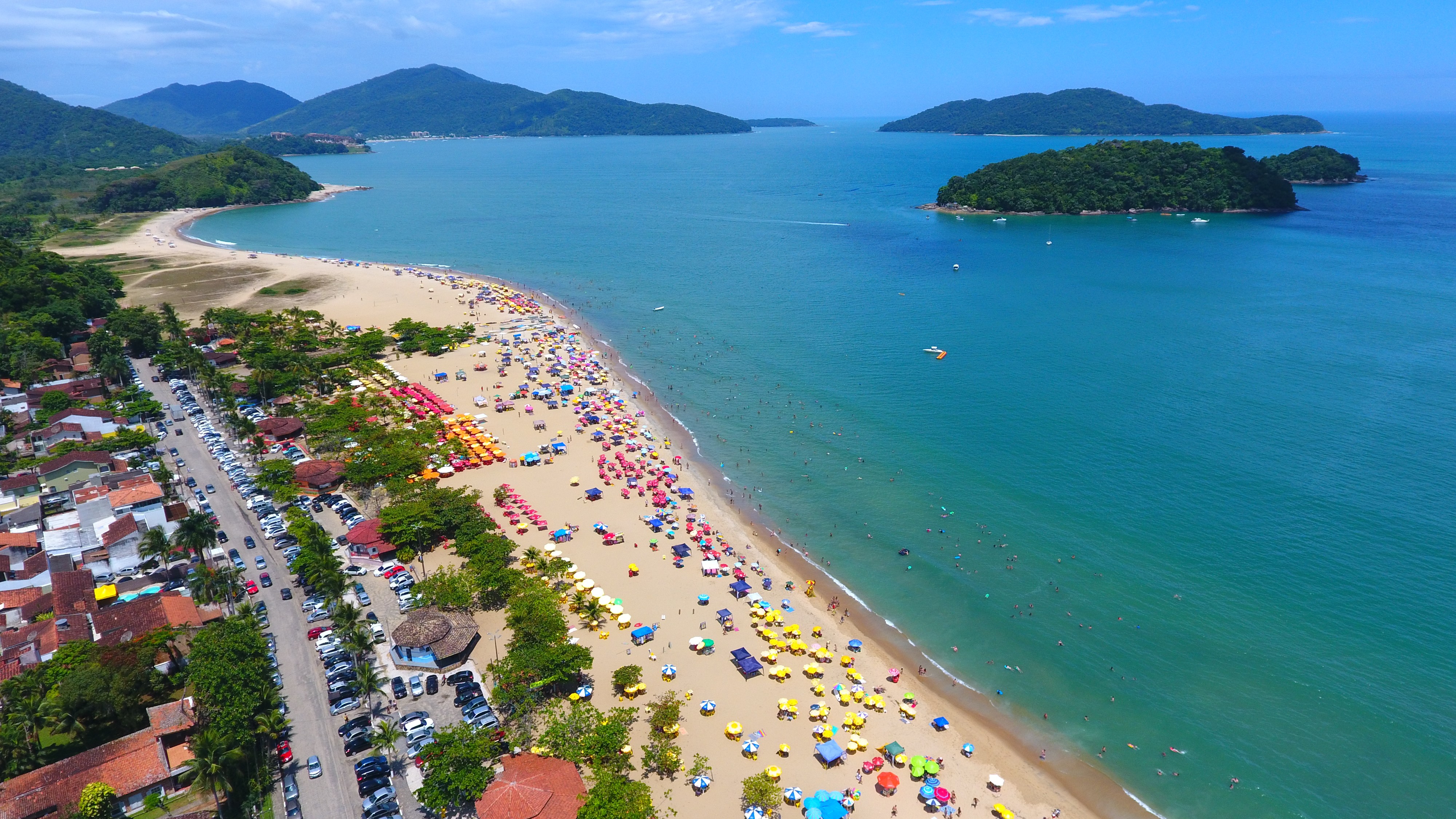
The São Paulo State Environmental Company (Cetesb) announced on Thursday, July 23rd, that 34 beaches along the São Paulo coastline are currently unfit for swimming. This count includes six beaches in the North Coast region and 28 beaches in the Baixada Santista and South Coast areas. Cetesb conducts weekly analyses to determine beach water quality, specifically measuring the concentration of bacteria. A beach is deemed unsuitable for bathing if more than 100 colonies of bacteria are found per 100 millimeters of water. These locations are then marked with red flags to warn the public. Swimming in waters with these flags poses potential health risks to beachgoers, according to the agency. Among the affected beaches are Cocanha in Caraguatatuba (North Coast), Perequê-Mirim and Ubatuba in Ubatuba, Indaiá and Sino in Ilhabela, and Pontal da Cruz in São Sebastião. The Baixada Santista and South Coast have a significant number of unsuitable beaches, including several in Guarujá, São Vicente, Praia Grande, Mongaguá, and Itanhaém. Cetesb will provide its next update on beach conditions on July 30th.
This report highlights the routine environmental monitoring of public beaches, a critical public health function. The Cetesb's methodology, based on bacterial counts, provides a quantifiable metric for assessing water safety. The consistent weekly updates and clear red flag signaling aim to inform the public and mitigate health risks. From a systems perspective, the effectiveness of such monitoring relies on consistent funding, accurate data collection, and timely public communication. Future considerations might involve exploring the root causes of bacterial contamination, such as urban runoff or wastewater management, to implement preventative measures. This proactive approach could enhance long-term water quality and reduce the number of beaches requiring advisories, thereby supporting both public health and the vital tourism economy of the region.
AI-generated to prompt reflection — not editorial opinion, not advice, not a statement of fact. How this works.