35 Portuguese Man-of-War Washed Ashore on Atlantic Beach, Experts Warn Against Touching
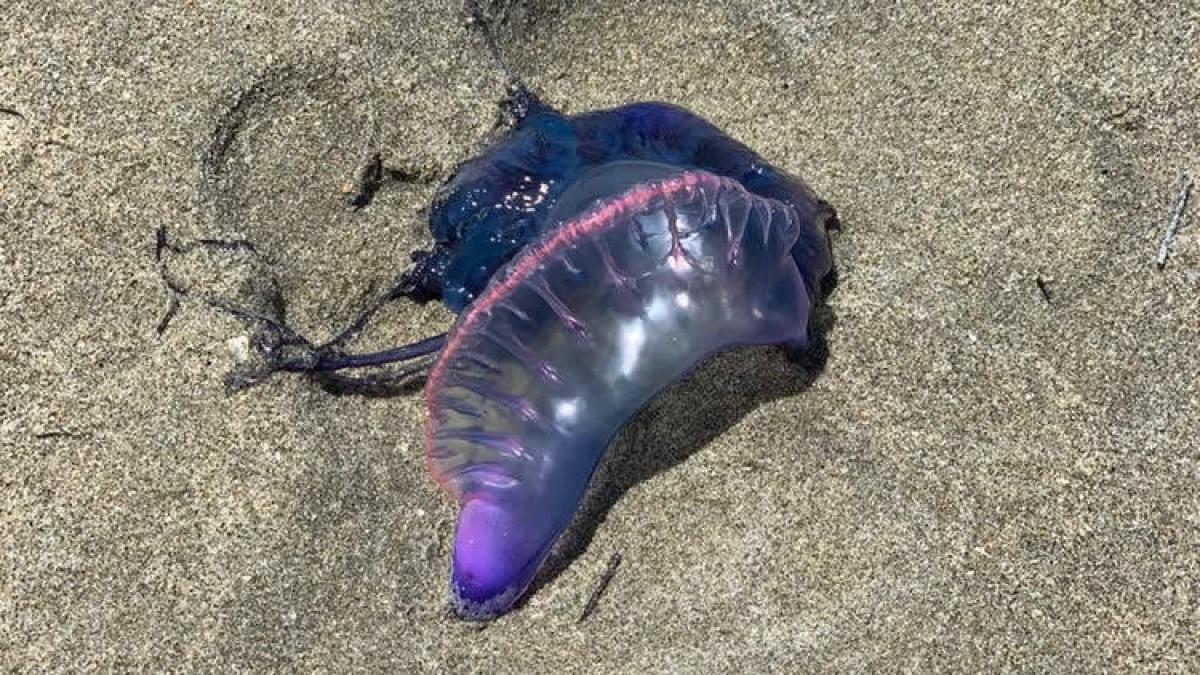
Approximately 35 Portuguese Man-of-War have been found washed ashore on an Atlantic beach, prompting an urgent warning from researcher Nelson Rangel. Rangel strongly advised the public to avoid any contact with these highly venomous marine organisms, emphasizing that they should not be touched, even with sticks. This significant influx of the stinging jellyfish-like creatures coincides with an alert previously issued by Dimar, the General Directorate of Maritime Affairs. The presence of such a large number of Portuguese Man-of-War in one location raises concerns about potential hazards to beachgoers and local marine life. The warning underscores the potent sting these animals can inflict, even after they have been beached. Authorities are monitoring the situation closely following Dimar's alert and Rangel's subsequent advisory.
The stranding of 35 Portuguese Man-of-War highlights the complex interplay between oceanic currents, marine ecosystems, and public safety. While the immediate concern is the potential for stings, the increased frequency of such events may indicate broader environmental shifts, such as changes in water temperature or prey availability, affecting species distribution. Public advisories are crucial for immediate risk mitigation, but understanding the underlying ecological drivers could inform long-term strategies for managing coastal hazards and protecting both human populations and marine biodiversity in the face of evolving environmental conditions.
AI-generated to prompt reflection — not editorial opinion, not advice, not a statement of fact. How this works.