35 Workers Rescued from Slave-Like Conditions on Piauí Grain Farm
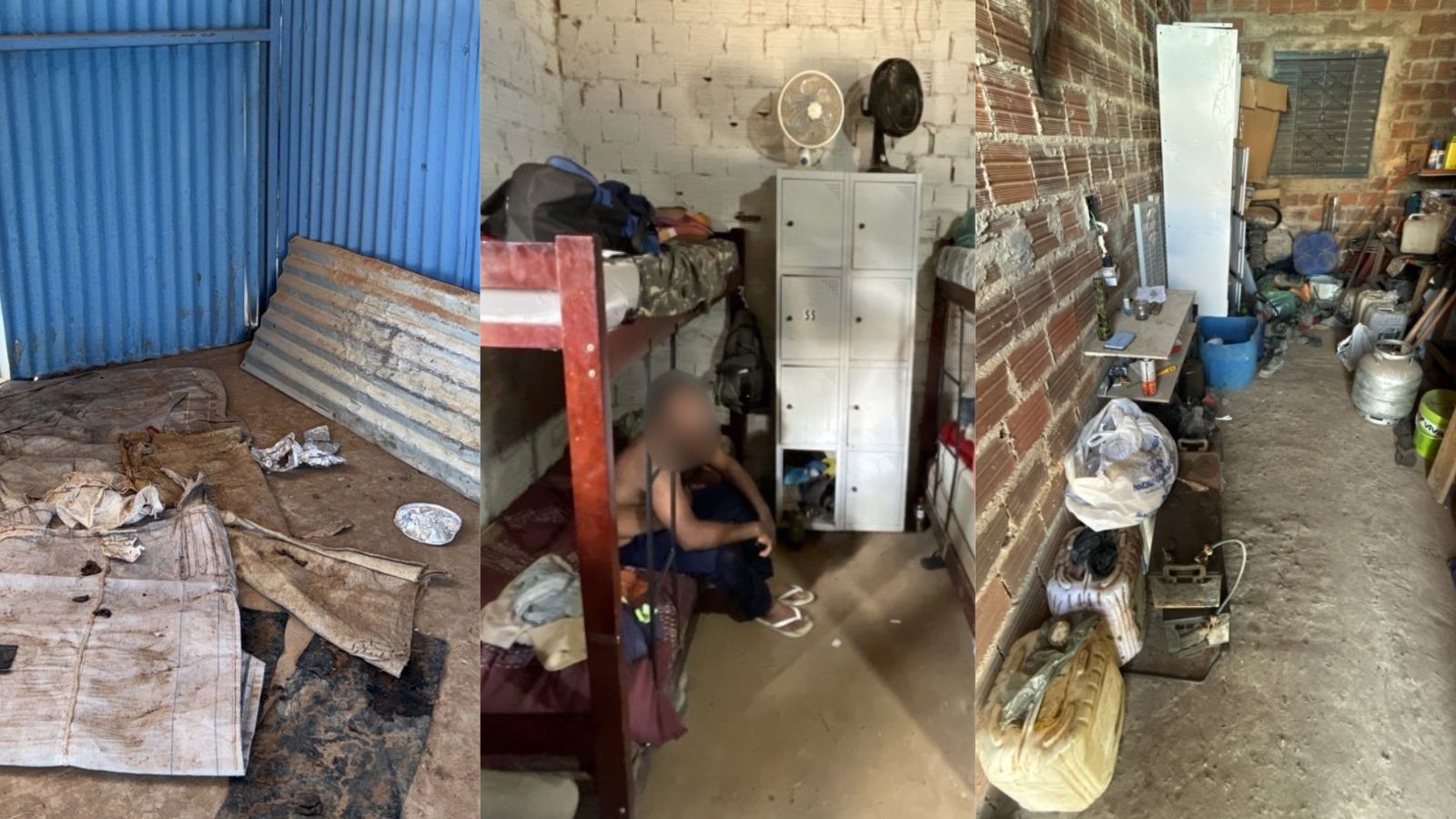
Thirty-five workers were rescued from conditions analogous to slavery on Friday, November 10th, during an inspection of a grain-producing farm in the rural area of Santa Filomena, in the South of Piauí, Brazil. The operation, revealed on November 17th, was conducted by the Labor Audit-Fiscal (AFT) with support from the Public Prosecutor's Office of Labor (MPT) and the Federal Police (PF). Most of the workers hailed from municipalities in Maranhão and were entirely dependent on the farm's facilities for accommodation during their work period. They were housed in a property known as "Pontãozim," located by the Parnaíba River, on the border between Piauí and Maranhão. The inspection uncovered severe irregularities and degrading work conditions. The drinking water source was a dispenser in unsanitary conditions, found to contain frogs, including a dead one, and fecal-like material. Living quarters were small, lacked adequate ventilation and lighting, and had insufficient bedding and insufficient storage for the number of workers, forcing some to sleep on mattresses on the floor. Hazardous storage of diesel fuel and gas cylinders was noted, alongside inadequate electrical installations posing fire and electrocution risks. Workers had to eat meals on the floor due to the absence of dining facilities, and the limited number of toilets lacked basic hygiene supplies like toilet paper and soap. An open-air dump with food waste, PPE, automotive parts, and plastic debris was found near the accommodation. Employers are obligated to cover the workers' lodging and food until all dues are settled and to arrange return transportation for those wishing to go home. Following the rescue, the contracts of the 35 workers were terminated, and R$ 189,716.65 in severance pay was mandated. They will also receive unemployment benefits, consisting of three monthly payments equivalent to a minimum wage.
This incident highlights persistent labor exploitation in Brazil, where economic pressures can drive employers to create conditions that mirror historical slavery. The systemic failure to ensure basic worker rights, including adequate housing, sanitation, and safety, points to gaps in regulatory oversight and enforcement. The financial penalties and unemployment benefits represent a reactive measure, but a proactive approach focusing on supply chain transparency and worker empowerment programs is crucial for preventing future occurrences. The long-term challenge involves fostering a culture of compliance and ensuring that economic development does not come at the cost of human dignity and fundamental labor standards, especially as automation and AI reshape the agricultural sector.
AI-generated to prompt reflection — not editorial opinion, not advice, not a statement of fact. How this works.