36% of HSC Students Skipping Exams; Minister Calls it a 'Bad Indicator'
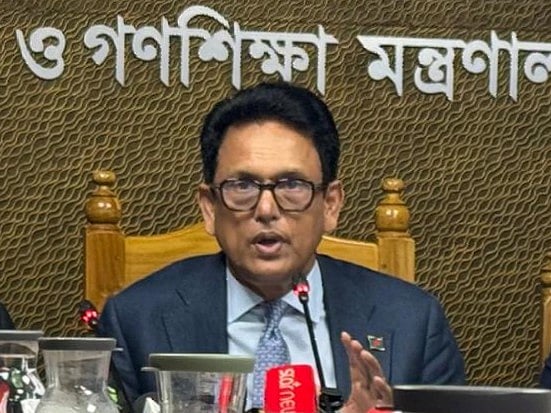
Education Minister A. N. M. Ehsanul Haque Milan has expressed serious concern over the alarming rate of students not appearing for the Higher Secondary Certificate (HSC) and equivalent examinations. Approximately 36% of regular students are opting out, a figure the minister described as a "very bad indicator" necessitating immediate action. This year's examination, which commenced today, saw about 9.5 lakh students fill out forms out of nearly 1.5 million who registered for HSC after passing their SSC exams in 2024-25. Consequently, around 5.5 lakh regular students are not participating. This represents a significant increase from the previous year, when just over 29% of regular students skipped the exams, marking a nearly 7 percentage point rise in just one year. Last year, more than 4.25 lakh registered students did not take the exam. The minister noted that while some attrition is expected after SSC, with reasons like early marriage or family responsibilities typically accounting for 10-15%, the current figures are exceptionally high. Specifically, 44% of students in madrasah education, 54% in technical education, and 33% under general education boards have dropped out. He speculated that factors such as inadequate classroom instruction, issues with examination integrity, and perhaps a realization by students that they cannot prepare adequately might be contributing to this surge. To address this, the minister emphasized the need for improved teacher training.
The substantial increase in students foregoing the HSC examinations signals a potential systemic disconnect between educational delivery and student engagement. While the minister points to factors like inadequate teaching and examination processes, the surge suggests a deeper issue. This trend may reflect evolving student priorities, the perceived value of formal qualifications versus alternative pathways, or economic pressures impacting educational continuity. The government's focus on teacher training is a necessary step, but a comprehensive review of curriculum relevance, pedagogical methods, and the broader socio-economic support structures for students is crucial. Understanding the specific reasons behind the disproportionate dropout rates across different educational streams (madrasah, technical, general) will be key to developing targeted interventions. Addressing this "bad indicator" requires a multi-faceted approach that anticipates future educational needs and ensures the system remains adaptable and responsive to student outcomes.
AI-generated to prompt reflection — not editorial opinion, not advice, not a statement of fact. How this works.