3D Printed Stencils Offer Cost-Effective Solution for PCB Assembly
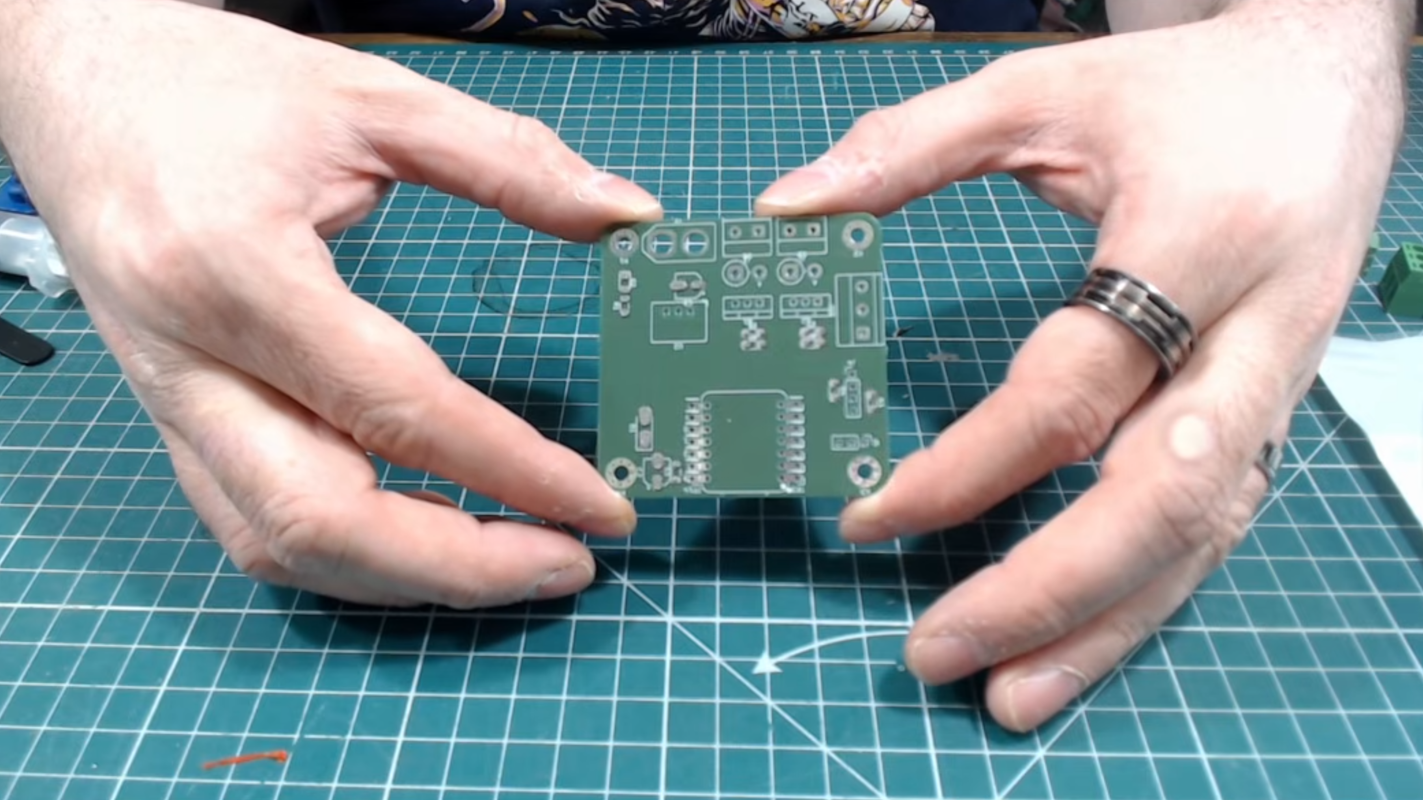
For individuals working with surface-mount components, a solder paste stencil is an essential tool that simplifies the application of solder paste onto a printed circuit board (PCB). These stencils are typically made from thin sheets of metal, such as stainless steel or brass, and are laser-cut to create precise openings. The process of creating these metal stencils can be expensive and time-consuming, often requiring specialized equipment and lengthy lead times. This can be a significant barrier for hobbyists, small businesses, and researchers who need stencils for prototyping or small-batch production.
However, advancements in 3D printing technology are providing a more accessible and affordable alternative. By utilizing 3D printing, users can create custom solder paste stencils relatively quickly and at a lower cost compared to traditional methods. This allows for greater flexibility in design and rapid iteration, which is particularly beneficial for projects with evolving requirements. The ability to print stencils on demand can streamline the PCB assembly workflow and reduce overall project expenses.
The emergence of 3D printed stencils for PCB assembly addresses a critical bottleneck in prototyping and small-scale electronics manufacturing. Traditional metal stencils, while precise, incur significant costs and lead times, disproportionately impacting independent creators and startups. This technological shift democratizes access to essential manufacturing tools, potentially accelerating innovation cycles. The long-term implications involve a more distributed and agile electronics production ecosystem, where design iterations can occur with unprecedented speed and reduced financial risk. This could foster greater experimentation and reduce the barrier to entry for novel hardware development, aligning with the increasing demand for customized and specialized electronic devices in the coming decade.
AI-generated to prompt reflection — not editorial opinion, not advice, not a statement of fact. How this works.