3D-Printed Weapons: A Volunteer Effort Supporting Ukraine's Defense
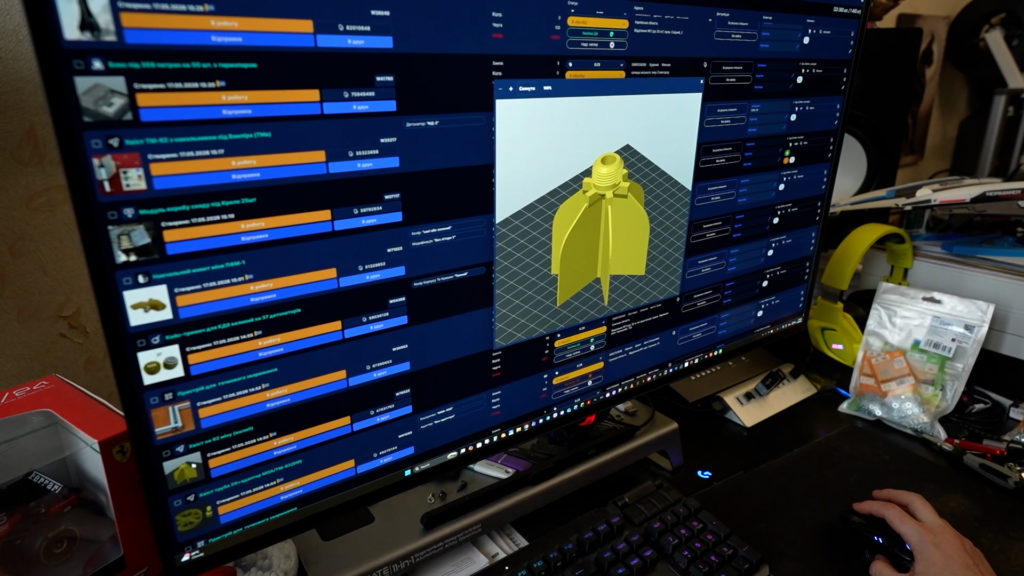
Volunteers are utilizing 3D printers to produce weapons for Ukraine, contributing to the nation's defense efforts. This initiative comes at a time when Ukrainian President Zelenskyy recently dismissed his defense minister, a move that prompted protests from supporters. These supporters credit the former minister with significantly advancing Ukraine's defense capabilities. Special correspondent Simon Ostrovsky and producer Katia Patin have investigated the technological advancements and policy changes that have fueled this transformation. The report includes graphic descriptions of warfare, highlighting the harsh realities faced on the ground. The use of 3D printing technology represents an innovative approach to supplying military equipment in a conflict zone. This grassroots manufacturing effort underscores the adaptability and resourcefulness of those supporting Ukraine's defense. The broader context of the defense minister's dismissal and subsequent protests suggests underlying tensions and public sentiment regarding the country's military leadership and direction.
The reported use of 3D printing by volunteers to produce weapons for Ukraine highlights the evolving landscape of decentralized defense manufacturing. This trend reflects a potential shift in traditional supply chains, driven by the accessibility of advanced manufacturing technologies. Such distributed production models can offer agility and resilience, particularly in conflict zones where conventional logistics may be disrupted. However, it also raises complex questions regarding oversight, quality control, and the potential for proliferation of weaponry outside established state control. The broader implications involve the democratization of arms production and its impact on geopolitical stability and international arms control frameworks. Examining the incentives for volunteer involvement and the regulatory challenges for governments will be crucial in understanding the long-term trajectory of this phenomenon.
AI-generated to prompt reflection — not editorial opinion, not advice, not a statement of fact. How this works.