3D Scans Reveal the Hidden World of 15,000 Ant Species
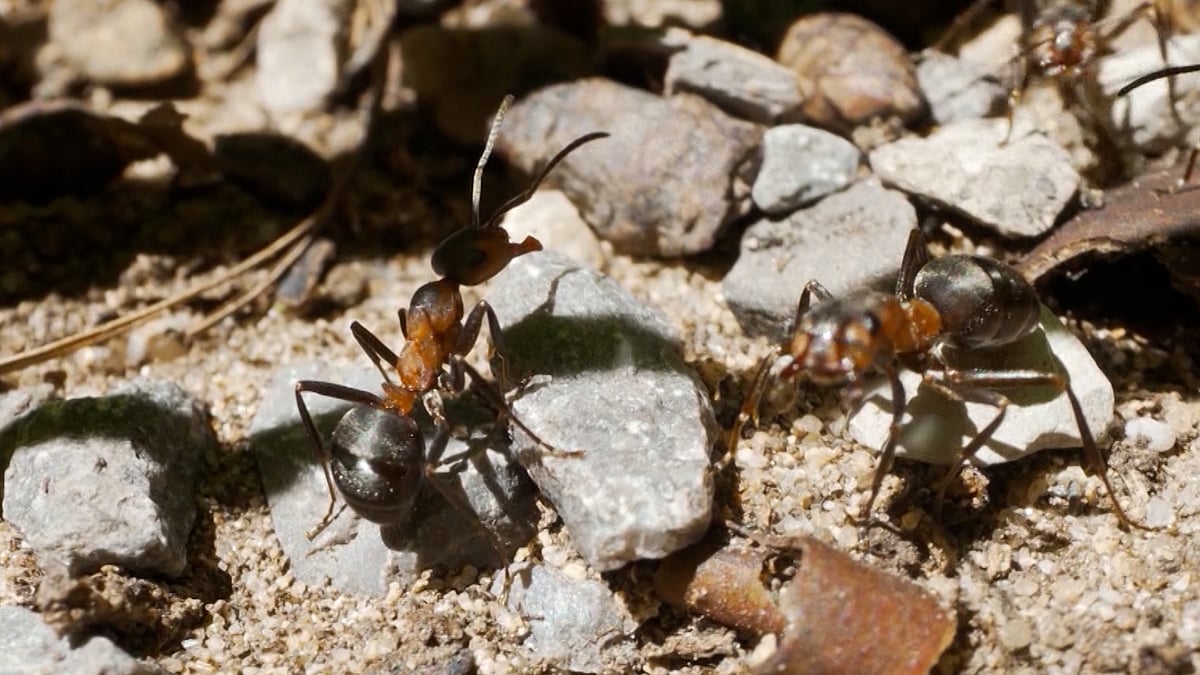
German researchers are utilizing 3D scanning technology to unveil the previously unseen world of ants. This innovative approach is creating a digital repository that promises to revolutionize biodiversity research and species conservation efforts. The project aims to capture detailed three-dimensional models of approximately 15,000 ant species, offering unprecedented insights into their morphology and ecological roles. By digitizing these creatures, scientists can conduct more in-depth analyses without the need for extensive physical specimen collection, which can be damaging to fragile ecosystems. This digital archive will serve as a crucial resource for scientists globally, facilitating comparative studies and aiding in the identification of new species. The initiative is expected to significantly impact conservation strategies by providing a clearer understanding of ant populations and their habitats. The researchers believe this digital transformation will fundamentally alter how biodiversity is studied and preserved for future generations. Further details are available in a video report.
The development of 3D scanning technology for cataloging ant species represents a significant advancement in biodiversity informatics. By creating a comprehensive digital archive, researchers can overcome limitations associated with physical specimen preservation and accessibility, potentially accelerating taxonomic research and conservation planning. This approach aligns with broader trends in scientific data management, emphasizing open access and digital replication. The long-term impact could involve democratizing access to biological data, fostering global collaboration, and enabling more effective monitoring of ecosystems in the face of environmental change. The initiative highlights the growing importance of digital tools in addressing complex biological challenges and underscores the potential for technology to enhance our understanding and stewardship of the natural world.
AI-generated to prompt reflection — not editorial opinion, not advice, not a statement of fact. How this works.