4-Year-Old Girl Hospitalized in ICU After Jararaca Snakebite in Kalunga Community
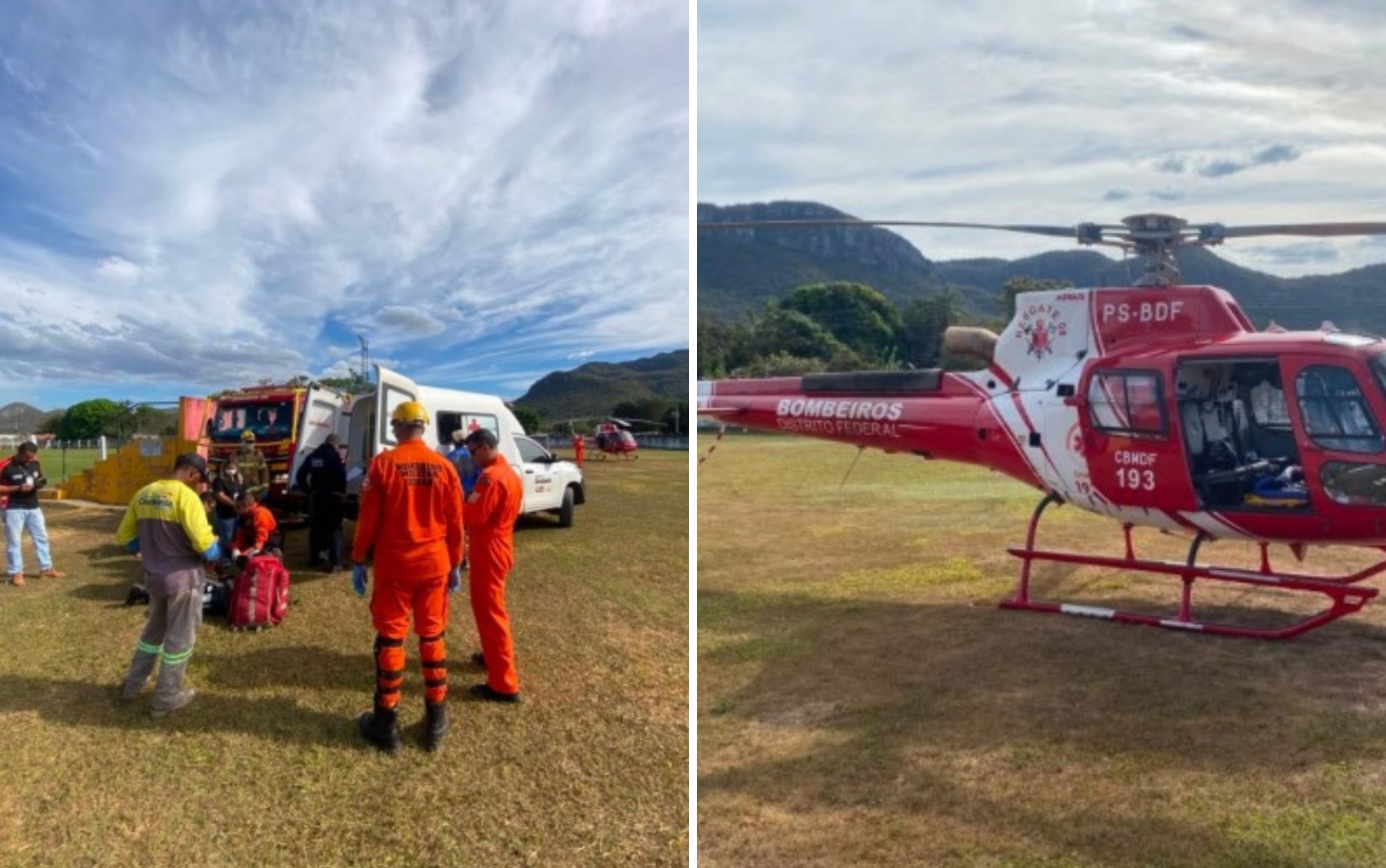
A 4-year-old girl is in the Intensive Care Unit (ICU) at the Hospital Materno Infantil de Brasília (HMIB) after being bitten by a jararaca snake in the Kalunga community of Prata, located in Cavalcante, Goiás. The hospital reports the child is showing good clinical progress and is in stable condition. The incident occurred on Thursday morning, May 9th, when the girl was bitten on her left foot. She initially received treatment at the Municipal Hospital of Cavalcante, where she was administered four vials of antivenom. During transport by the Fire Department, her condition remained stable, which aided in her stabilization. Upon arrival at HMIB, she received immediate care and further antivenom therapy according to protocols for venomous animal bites. The child was admitted to the ICU due to the moderate severity of the accident. The Fire Department reported the bite happened around 7:50 AM in the rural Prata community. At the Cavalcante hospital, she exhibited symptoms characteristic of a jararaca bite, including blood coagulation issues and potential kidney function impairment. Due to the severity, a Fire Department helicopter from the Federal District transported her to HMIB. A biologist explained that the jararaca, found throughout Brazil, possesses highly toxic venom that affects blood coagulation, potentially causing bleeding, necrosis, and tissue damage. Medical advice includes washing the bite area with soap and water and seeking immediate medical attention, while avoiding excessive movement to slow venom circulation.
This incident highlights the critical need for accessible and rapid medical response in remote communities facing risks from venomous wildlife. The successful transfer and treatment underscore the importance of inter-agency cooperation, involving local health facilities, emergency services, and specialized medical centers. Future considerations should include public health education on snakebite prevention and immediate care protocols tailored for geographically isolated populations, potentially leveraging telemedicine or improved local emergency infrastructure to mitigate the impact of such incidents. The case also points to the ongoing challenge of balancing human settlement with biodiversity in regions like the Kalunga community, necessitating sustainable land-use planning and robust emergency preparedness measures.
AI-generated to prompt reflection — not editorial opinion, not advice, not a statement of fact. How this works.