40,000-Year-Old Miniature Bird Figurines Found in German Cave
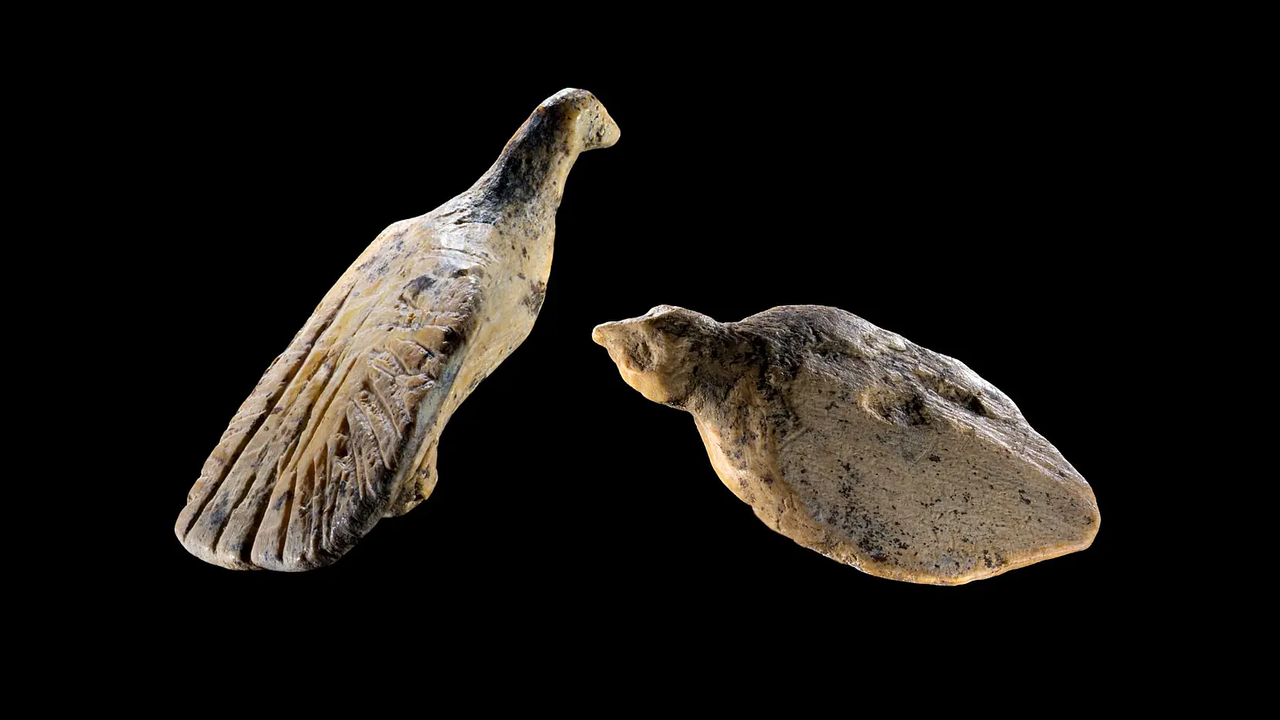
Archaeologists have unearthed two ancient bird figurines, each no larger than a thumbnail, in a cave in southwestern Germany. These remarkable carvings date back approximately 40,000 years, placing them firmly in the Upper Paleolithic period. The discovery offers a significant glimpse into the artistic capabilities and symbolic thinking of early humans during the Ice Age. The figurines, crafted from mammoth ivory, depict birds with a surprising level of detail for their diminutive size. Researchers believe these artifacts are among the oldest known examples of figurative art created by Homo sapiens. The cave where they were found has yielded other significant Paleolithic artifacts, underscoring its importance as a site for understanding early human culture. These tiny sculptures suggest a sophisticated aesthetic sense and the capacity for abstract representation among our ancient ancestors.
The discovery of these 40,000-year-old bird figurines highlights the deep roots of human creativity and symbolic expression, challenging previous assumptions about the cognitive abilities of early Homo sapiens. The fine craftsmanship of these miniature artifacts, recovered from a German cave, suggests that aesthetic considerations and artistic endeavors were integral to Ice Age societies, not merely utilitarian pursuits. This finding prompts a re-evaluation of the timeline for the development of complex human culture and abstract thought, indicating that sophisticated artistic traditions may have emerged much earlier than previously understood. Examining the context of such discoveries can illuminate the evolutionary pressures and social structures that fostered early artistic expression and potentially served purposes beyond simple decoration, such as communication or ritual.
AI-generated to prompt reflection — not editorial opinion, not advice, not a statement of fact. How this works.