40 Years On: Brazil's Largest Earthquake Revolutionized Seismology
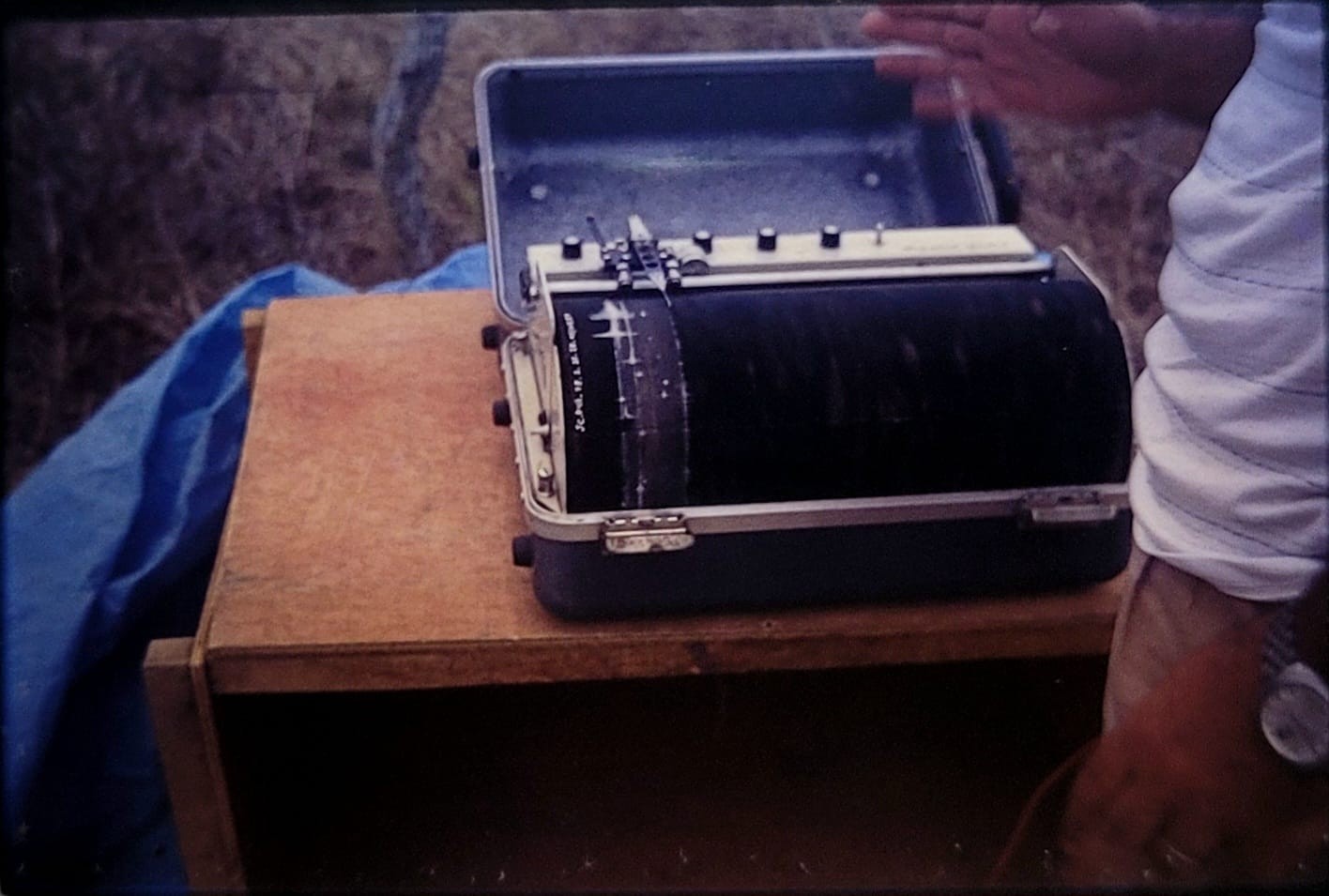
Forty years ago, a magnitude 5.1 earthquake struck João Câmara in Rio Grande do Norte, becoming the largest seismic event recorded in the state and one of Brazil's most significant. This event, part of a sequence that began in June 1986 and continued for over a decade, profoundly transformed Brazilian seismology. At the time, seismic monitoring relied on analog equipment printing data on smoked paper, with a small team of three professors. There were no mobile stations or a national monitoring network.
The 1986 earthquake sequence turned João Câmara into a natural laboratory, attracting international experts from institutions in Japan, the United States, England, Greece, and Venezuela, alongside Brazilian researchers from USP and UnB. This period marked a turning point, leading to increased investment, training, and the consolidation of seismology research groups across Brazil. It spurred the development of a permanent monitoring structure, including the establishment of a dedicated building and modern equipment at the Federal University of Rio Grande do Norte (UFRN).
Today, seismic monitoring is highly automated, with data transmitted in real-time from a network of 55 stations across the country to a data center. Algorithms process the signals, with specialists reviewing the results before issuing bulletins accessible to civil defense and national disaster monitoring centers. This technological leap, from smoked paper records to real-time digital processing, has significantly enhanced the speed and accuracy of seismic event identification and reporting, enabling better preparation and response to natural phenomena.
The seismic events in João Câmara in 1986 catalyzed a critical evolution in Brazil's scientific infrastructure for natural disaster monitoring. Prior to this, the nation's capacity for real-time seismic analysis was nascent, relying on outdated analog methods and limited personnel. The scale and duration of the João Câmara sequence necessitated a paradigm shift, driving investment in digital technologies, expanding research networks, and fostering international collaboration. This transformation highlights how significant natural events can serve as catalysts for systemic improvements in scientific research and public safety capabilities. Looking ahead, the integration of advanced AI algorithms into seismic data processing, as seen today, represents a further step in leveraging technological advancements for early warning systems and disaster preparedness, underscoring the ongoing interplay between scientific challenges and technological innovation.
AI-generated to prompt reflection — not editorial opinion, not advice, not a statement of fact. How this works.