41 Accused in 2013 Shapla Square Clashes Case, Including Former PM, Army Chief, Police Chiefs
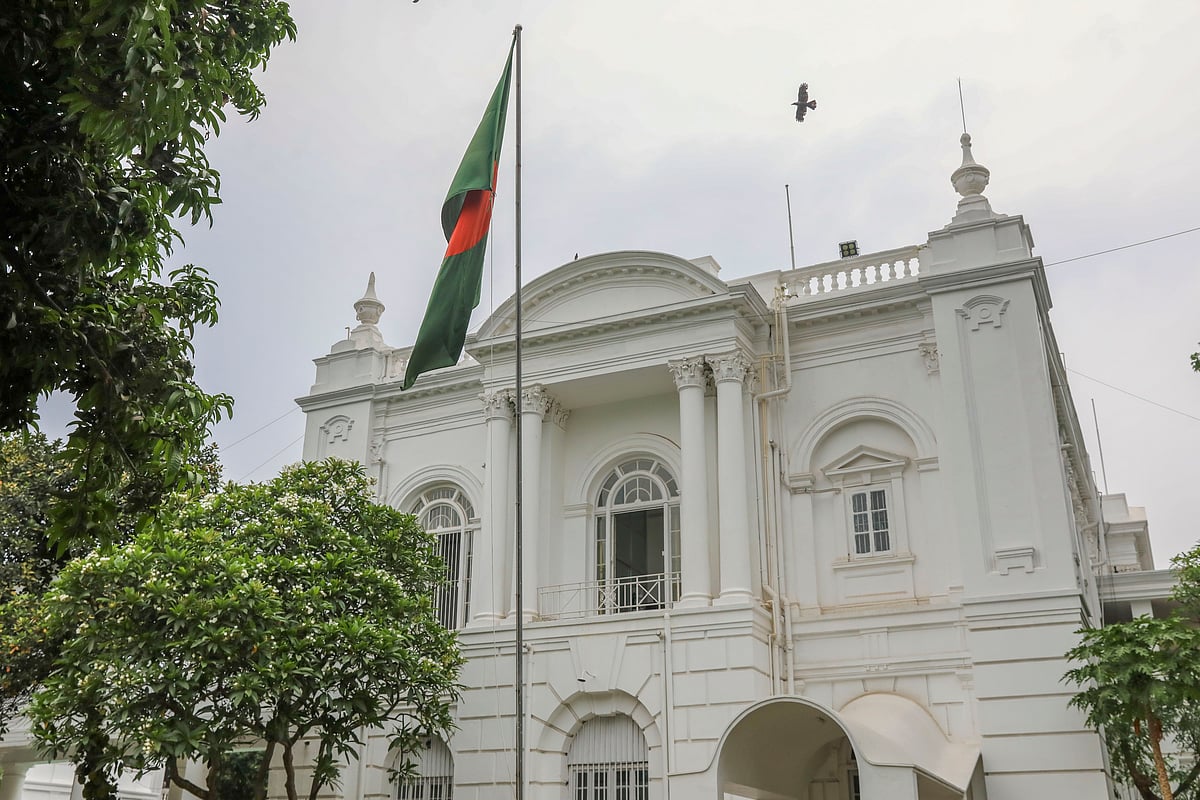
A case concerning the killings during the Hefazat-e-Islam rally at Shapla Square in Dhaka on May 5, 2013, has seen formal charges filed against 41 individuals. The Chief Prosecutor, Md. Aminul Islam, submitted the charges to International Crimes Tribunal-2. Among the accused are 15 former ministers and members of parliament, 21 former members of various security forces, three politicians and organizers, and two journalists.
The indictment includes former Prime Minister Sheikh Hasina as the first accused. Former Army Chief General Aziz Ahmed, who was the Director General of the Border Guard Bangladesh (BGB) at the time, is also named. Four former Police Chiefs are listed, including former Inspector General (IGP) Hasan Mahmud Khondaker, former Additional IGP (Administration and Operations) AKM Shahidul Haque, former Additional IGP and SB Chief Mohammad Javed Patwary, and former Dhaka Metropolitan Police (DMP) Commissioner Benazir Ahmed, all of whom later became IGP. Former RAB Director General Md. Mokhlesur Rahman is also an accused.
Other prominent figures charged include former Home Minister Mohiuddin Khan Alamgir, former Minister Abdul Latif Siddiqui, former Foreign Minister Hasan Mahmud, former State Minister for Home Affairs Md. Shamsul Haque Tuku, former Information Minister Hasanul Haque Inu, and former Members of Parliament Sheikh Fazlul Karim Selim, Abdur Razzaque, Mahbub Ul Alam Hanif, AFM Bahuddin Nasim, Mrinal Kanti Das, and SM Zahid. Journalists Farzana Rupa and Mozammel Babu, former Managing Director and Chief Reporter of Ekattor TV respectively, are also accused, along with Omar Faruque Chowdhury, former chairman of Jubo League, and figures like Imran H Sarkar and Shahriar Kabir. Several former high-ranking officials from RAB, DMP, Detective Branch, SB, and district police forces are also among the 41 defendants.
The formal charges in the 2013 Shapla Square incident case bring a complex web of political and security actors into the legal spotlight. The inclusion of high-profile figures, including a former Prime Minister and former heads of military and police forces, signals a significant legal development. This prosecution raises questions about accountability for events involving large-scale public order disturbances and potential human rights violations. The framing of charges and the subsequent legal process will be critical in determining the factual basis of the allegations and ensuring due process for all involved. Future implications may involve scrutiny of command responsibility within state institutions during periods of civil unrest and the evolving legal frameworks for addressing such incidents in Bangladesh.
AI-generated to prompt reflection — not editorial opinion, not advice, not a statement of fact. How this works.