41 Bodies Recovered in Ceuta Waters After Migrant Influx
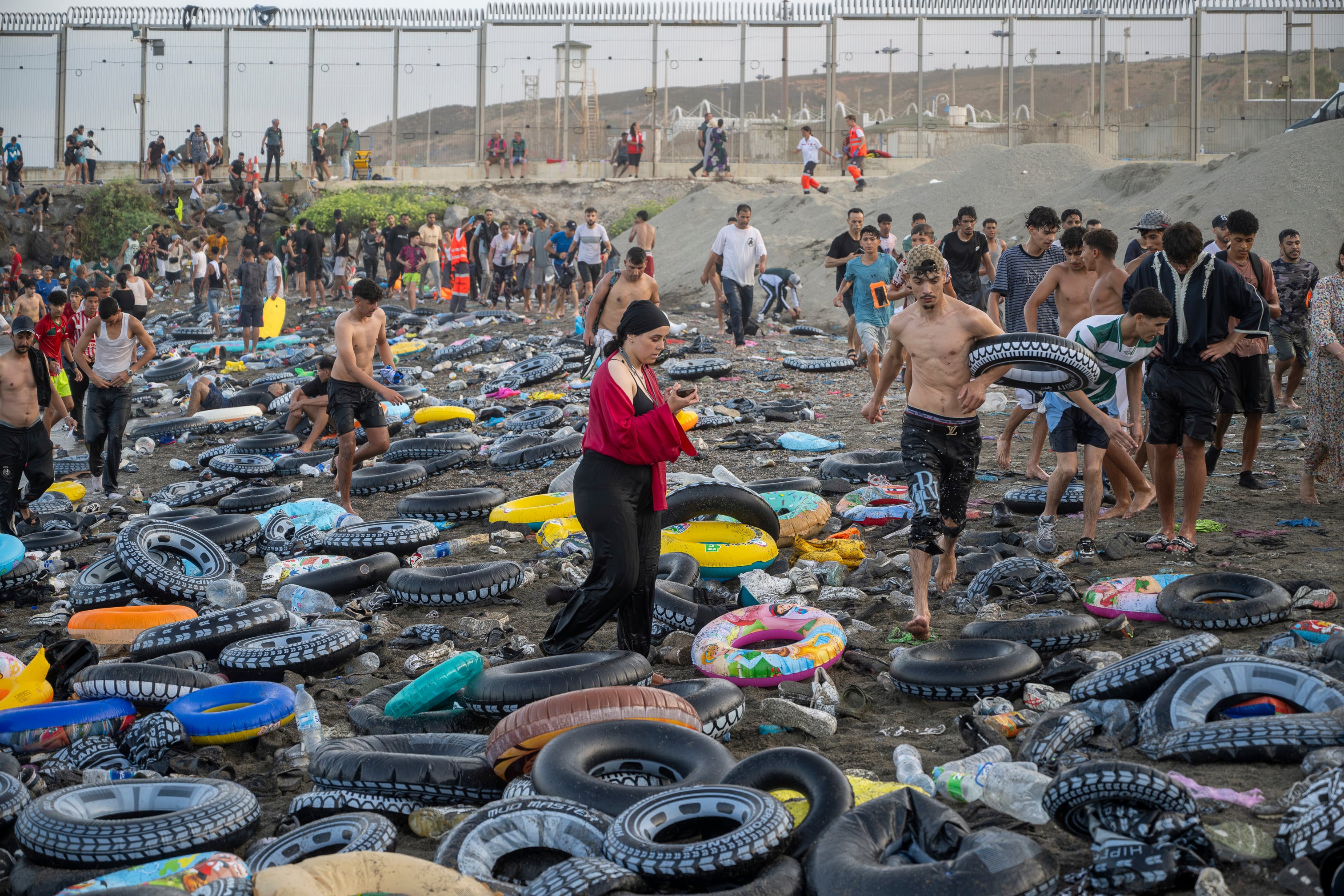
Spanish authorities have recovered 41 bodies from the waters off Ceuta, a Spanish exclave in North Africa, following a significant influx of irregular migrants. The Spanish Ministry of the Interior reported that approximately 50,000 migrants attempted to enter the territory. By 1:00 PM, the ministry stated that 25,000 individuals had voluntarily returned to Morocco. The situation highlights the ongoing challenges and dangers associated with irregular migration across the Mediterranean. Ceuta, bordering Morocco, is a frequent point of arrival for migrants seeking to enter Europe. The recovery of multiple bodies underscores the perilous nature of these journeys and the strain on border management resources. Further details regarding the circumstances of the migrants' attempts to cross and the specific timeline of events are being investigated.
This event underscores the profound humanitarian crisis at Europe's southern borders, driven by complex push factors in origin countries and pull factors in destination countries. The sheer volume of attempted entries suggests significant pressure and desperation among migrants, while the tragic loss of life points to the extreme risks undertaken. From a governance perspective, this situation necessitates a multi-faceted approach, involving enhanced search and rescue capabilities, robust international cooperation with transit and origin countries, and addressing the root causes of migration. The voluntary returns also indicate a potential for negotiated solutions, but the overall scale of the challenge suggests that current strategies may be insufficient to manage irregular migration humanely and effectively in the long term. Future policy must balance border security with human rights and explore sustainable development initiatives to mitigate displacement.
AI-generated to prompt reflection — not editorial opinion, not advice, not a statement of fact. How this works.