44 São Paulo Coast Beaches Unfit for Swimming During July Holiday
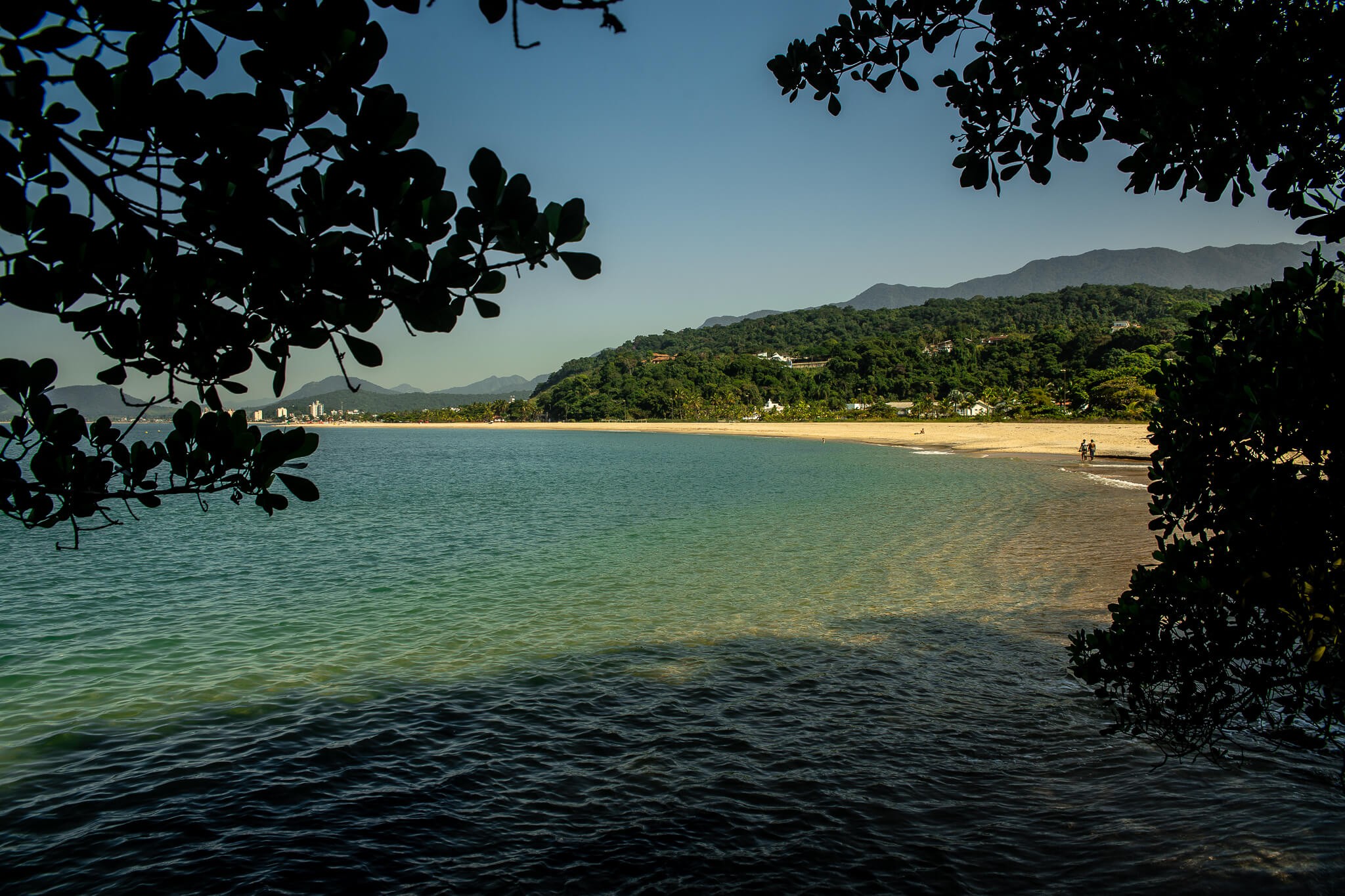
Forty-four beaches along the São Paulo coast have been declared unfit for swimming during the extended July 9th holiday weekend. This assessment comes from a report released by the state's Environmental Company (Cetesb) on Wednesday, July 8th. The Litoral Norte region has 20 beaches flagged as unsuitable, while the Litoral Sul has 24 such locations. Cetesb conducts weekly water quality analyses to determine beach suitability, focusing on bacterial counts. Beaches are deemed unfit for swimming if more than 100 colonies of bacteria are found per 100 millimeters of water. These locations are then marked with red flags to warn the public. Swimming in waters marked with red flags is not recommended due to potential health risks. The specific beaches include Itaguá (both sections), Perequê-Mirim, and Dura in Ubatuba; Centro, Cocanha, Indaiá, and Palmeiras in Caraguatatuba; Pontal da Cruz, Prainha, São Francisco, Deserta, and Porto Grande in São Sebastião; Armação, Pinto, Sino, Siriúba, Itaquanduba, and Itaguaçu Grande in Ilhabela; Ponta da Praia in Santos; Embaré and Boqueirão in Aparecida; Perequê and Enseada-Estr. Pernambuco in Guarujá; Guaiúba in Guarujá; Guilhermina, Aviação, Vila Tupi, Vila Mirim, Maracanã, Vila Caiçara, Real, Balneário Flórida, and Jardim Solemar in Praia Grande; Centro and Parque Balneário in Itanhaém; Itararé-Posto 2 and Milionários in São Vicente; and Vera Cruz and Santa Eugênia in Mongaguá. The next update on beach conditions is scheduled for July 16th.
The Cetesb's weekly beach advisories highlight the ongoing challenge of maintaining water quality for public recreation, particularly during peak holiday periods. The report underscores the direct correlation between bacterial levels and public health risks, a common environmental governance issue in densely populated coastal areas. While the red flag system provides immediate public safety information, the underlying causes of elevated bacterial counts, such as urban runoff or wastewater management, require sustained infrastructure investment and regulatory oversight. Future planning should consider climate change impacts on water systems and population growth to ensure the long-term viability of these recreational resources.
AI-generated to prompt reflection — not editorial opinion, not advice, not a statement of fact. How this works.