45 Charged in Flood Control Corruption Cases, Only 2 Top Firms Face Charges
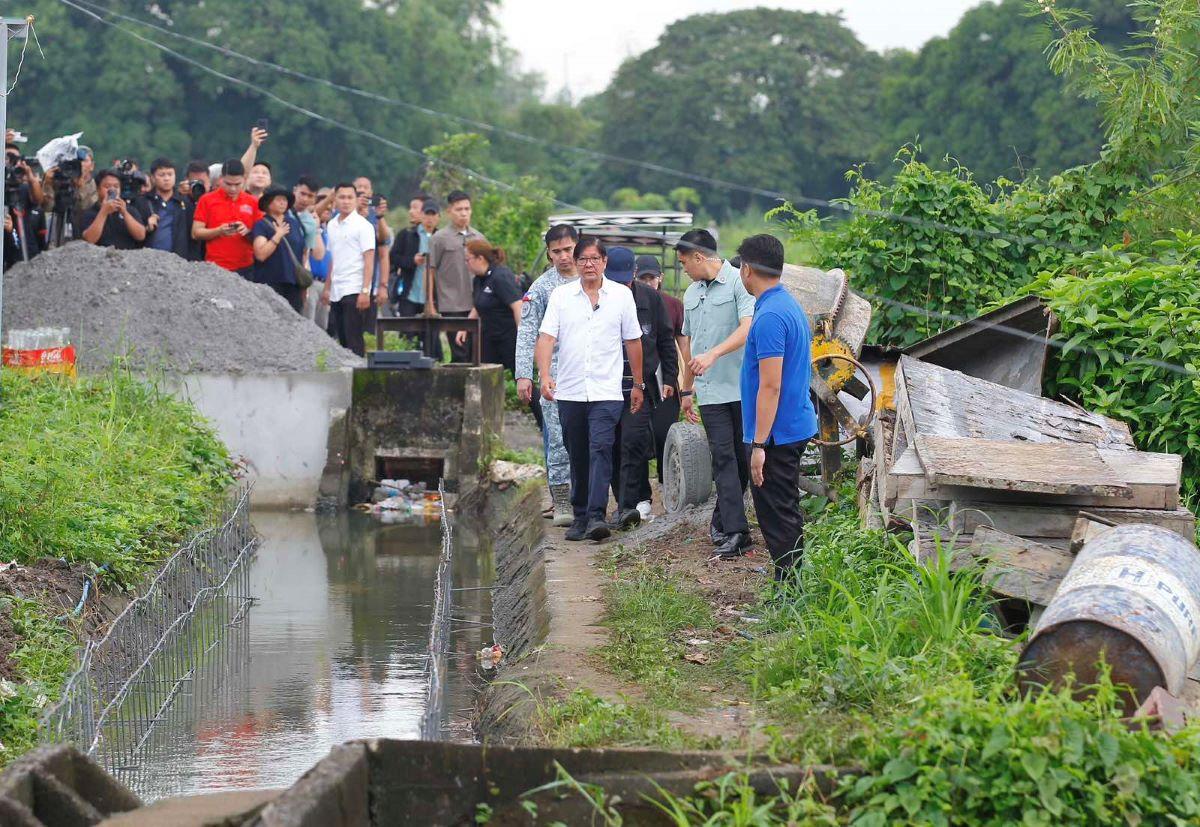
One year after President Ferdinand "Bongbong" Marcos Jr. revealed a multibillion-peso flood control corruption scandal, 45 individuals and just two of the Philippines' top 15 contracting firms have been charged. These charges are part of 26 cases that have been filed in court, according to documents obtained by GMA News Research. The controversy involves alleged corruption within flood control projects, a critical infrastructure area for the Philippines, which is highly susceptible to natural disasters like typhoons and heavy rainfall. The limited number of top contracting firms facing charges raises questions about the scope of accountability in the investigation. This development follows the President's initial public statement about the alleged irregularities, signaling a slow pace in the legal proceedings and the extent of the implicated parties. The focus remains on uncovering the full extent of the corruption and ensuring justice for the misuse of public funds intended for vital infrastructure.
The slow pace of legal action, with only 45 individuals and two major firms charged a year after a presidential exposé on multibillion-peso flood control corruption, suggests potential systemic challenges in prosecuting complex infrastructure fraud. This situation highlights the inherent difficulties in holding large corporate entities accountable, particularly when significant public funds are involved and numerous parties may benefit. The disparity between the number of individuals charged and the limited inclusion of top contracting firms could indicate issues with evidence gathering, political will, or the intricate legal and contractual frameworks governing these projects. Moving forward, strengthening oversight mechanisms and ensuring robust legal frameworks for public-private partnerships will be crucial to prevent future misappropriation of funds intended for essential infrastructure, especially in a nation vulnerable to climate-related events.
AI-generated to prompt reflection — not editorial opinion, not advice, not a statement of fact. How this works.