450-Million-Year-Old Fossil Discovery Challenges Understanding of Early Marine Life
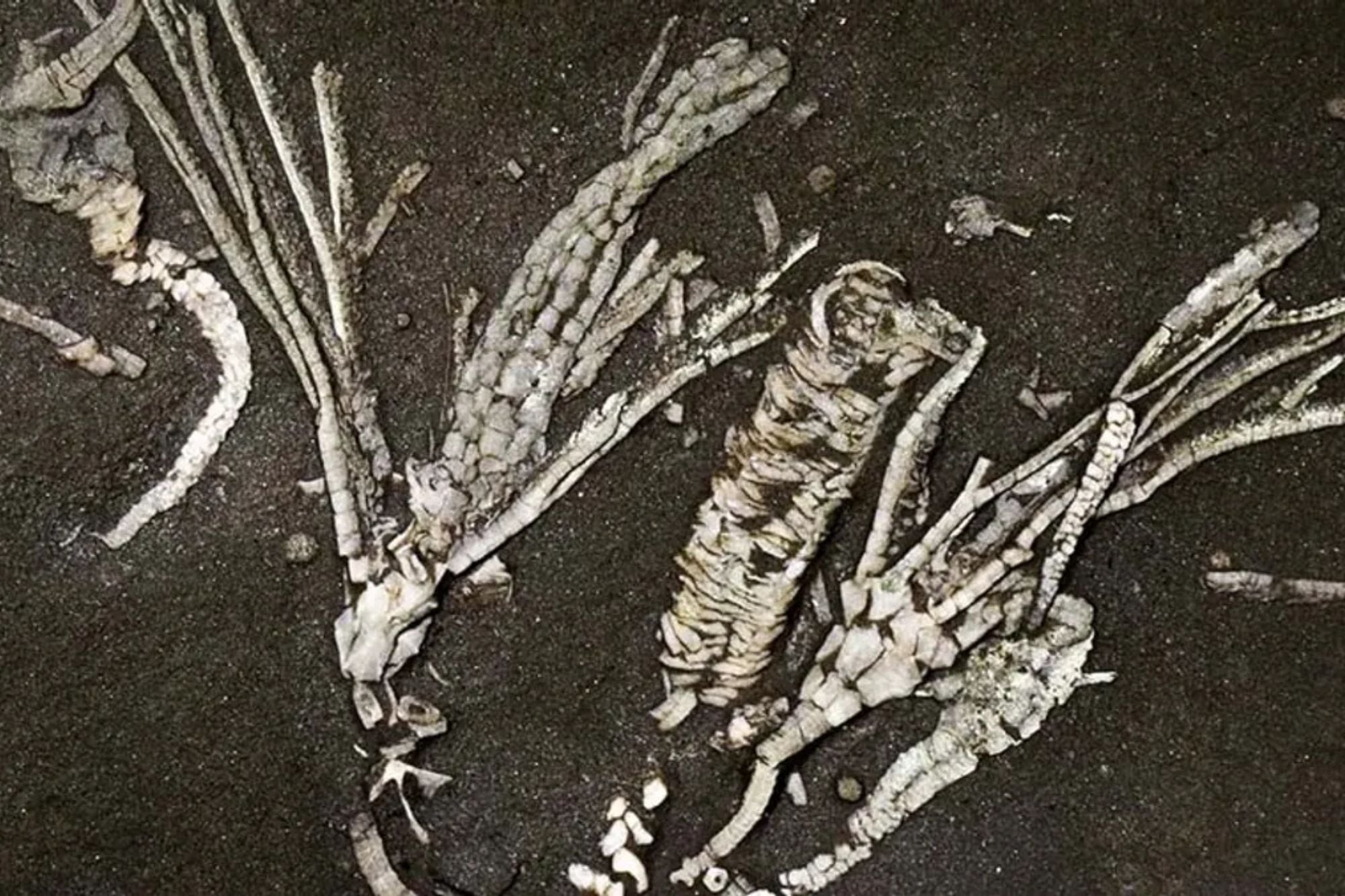
Researchers have uncovered a 450-million-year-old fossilized creature in a Montreal museum, a find that is reshaping current knowledge of primitive marine life. The exceptionally preserved specimen offers unprecedented details about the evolution and feeding habits of ancient species. This discovery provides critical insights into the early development of marine ecosystems and the complex relationships within them. The fossil's intricate structure allows scientists to study anatomical features previously unknown for creatures from this geological period. Understanding how these ancient organisms lived and interacted is key to tracing the lineage of modern marine biodiversity. The find underscores the vastness of what remains undiscovered in the fossil record and the potential for new revelations. This breakthrough promises to significantly advance the field of paleontology and our comprehension of life's history on Earth. The implications extend to understanding the environmental conditions and ecological pressures that shaped early life.
This fossil discovery offers a significant empirical data point for evolutionary biology, potentially refining models of marine species diversification during the Paleozoic Era. The unprecedented detail preserved in the specimen allows for a more robust analysis of ancient trophic structures and adaptation strategies. Future research may focus on comparative anatomy and geochemical analysis to further contextualize the creature's role within its ecosystem and its phylogenetic relationship to extant species. Understanding these ancient ecological dynamics can provide valuable long-term perspectives on biodiversity resilience and the impact of environmental change, offering lessons applicable to contemporary conservation efforts.
AI-generated to prompt reflection — not editorial opinion, not advice, not a statement of fact. How this works.