5.4 Magnitude Earthquake Highlights 'Site Effect' in San Marcos
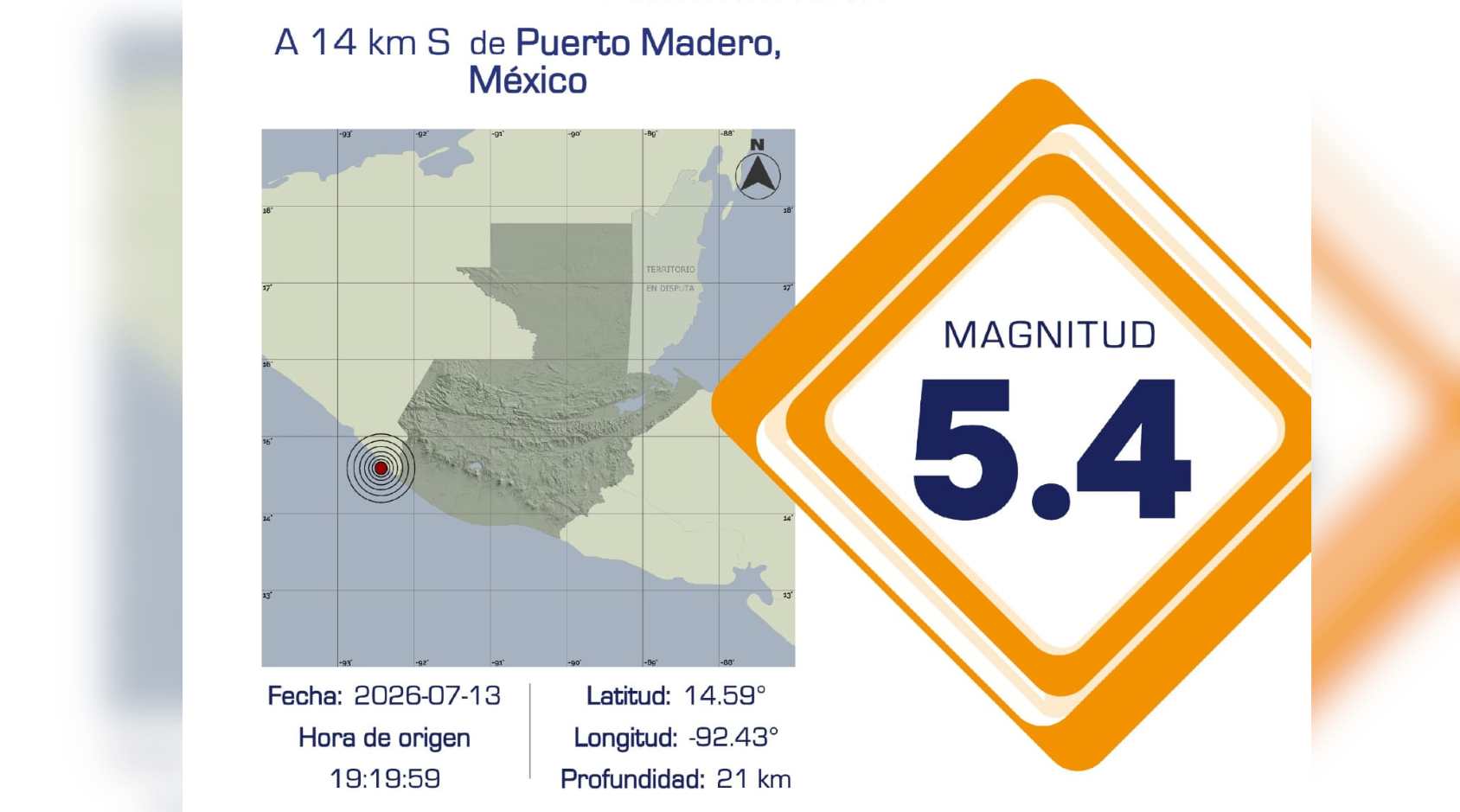
A magnitude 5.4 earthquake recently struck, causing tremors that were felt more intensely in San Marcos than in the region of its epicenter. This phenomenon is attributed to the "site effect," a geological concept that explains localized amplification of seismic waves. The site effect occurs when seismic waves travel from bedrock through softer soil layers. These softer soils can resonate with the incoming waves, much like a tuning fork, increasing the ground motion at the surface. The specific geological composition and thickness of the soil in San Marcos likely contributed to the amplified shaking experienced there. Understanding the site effect is crucial for seismic hazard assessment and urban planning, especially in earthquake-prone areas. It helps explain why some locations suffer more damage than others, even when they are at similar distances from the earthquake's origin. This event underscores the importance of considering local geological conditions when evaluating earthquake risks and designing resilient infrastructure.
The recent seismic event in San Marcos demonstrates how local geological conditions can significantly influence earthquake impact, a phenomenon known as the "site effect." This effect, driven by the interaction of seismic waves with subsurface soil layers, highlights a critical variable in disaster preparedness that extends beyond epicenter proximity. Future urban planning and building codes in seismically active regions should integrate detailed site-specific geological surveys to mitigate risks associated with amplified ground motion. This approach moves beyond a one-size-fits-all seismic risk assessment, promoting more nuanced and effective infrastructure resilience strategies for the next decade.
AI-generated to prompt reflection — not editorial opinion, not advice, not a statement of fact. How this works.